Home Mover’s Guide
Read about what to consider when moving in to a new place
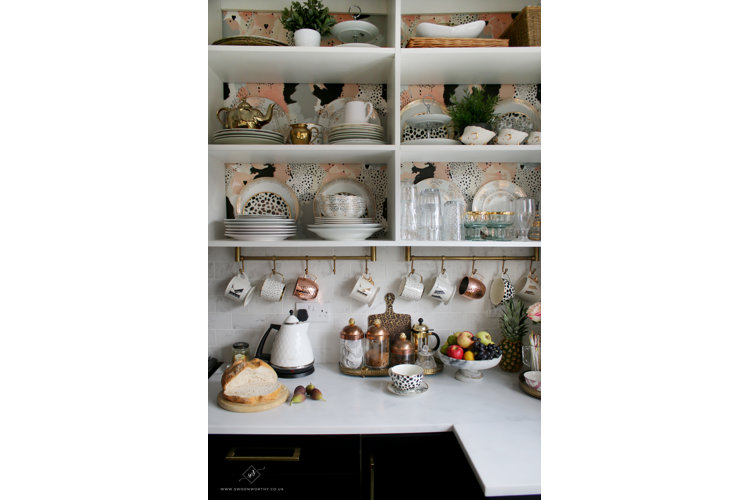
Welcome Home!
Congratulations on your new home! The paperwork has been signed, you have your keys and the back-breaking work of packing up your previous home and moving the boxes is complete. It feels good, right? It may also feel a little strange. You are a stranger to your home at first and making it feel like yours will be a top priority for the earliest days, weeks and months after your arrival.
As you’re getting settled in, the sheer volume of things you want to do may feel a little overwhelming. Our guide is going to be your reference point for creating that dream home. Whether you have big plans of ripping out the kitchen or adding an extension or perhaps something simply cosmetic—paint, wallpaper and some accessorising—you’ll need to consider what needs to happen first and how you’ll budget your time and money to make the process go as smoothly as possible.
One of the biggest factors that will determine how many changes you can make at any given time is going to be your budget. Whether you borrowed a little extra on the mortgage or you have some stashed away in savings, you’ll need some extra cash no matter what your plans for your renovations are.
Create a worksheet by job or by room and break everything down. You might want to start to ask for recommendations of contractors in your area. The last thing you want is to be let down by a trade which can hold up a project—so speak to skilled workmen and women to get estimates as well as timings. This will mean there are no (or fewer) surprises later on.
Once you have a budget in place, be sure to add an additional 10-15% as a contingency. You never really know what’s behind the walls or flooring until you start to pull things apart, so if you come across anything that needs immediate attention, your contingency budget will cover any extra costs. Be sure to budget for your time as well. Most things will take longer and cost more than what you’d initially hoped, so you’ll need to prepare for any delays or extra costs that you didn’t expect at the start.
Of course, if you have assessed the house and realise you need some major structural repairs, these are going to take priority. As much of a temptation as it will be to just throw some paint over a damp wall or live with poorly insulated windows and ignore unsightly problems, you’ll only be wasting your money.
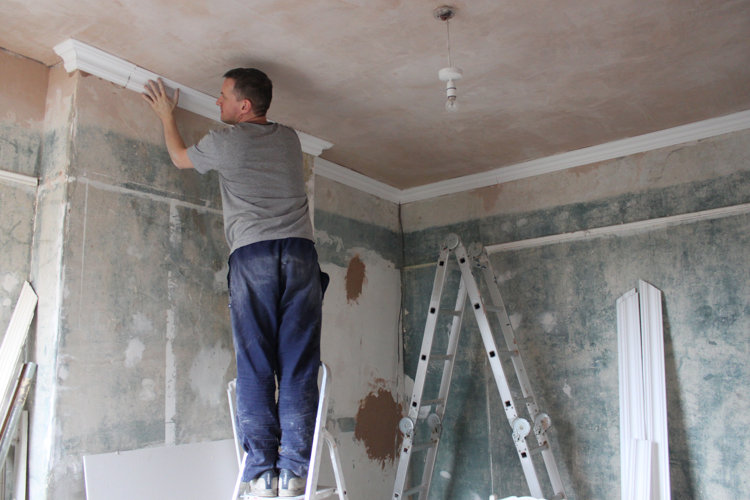
Walls, ceilings, flooring, doors and windows should all be addressed before almost anything else as they are the foundations of a space.
Note: If you have an older property, removing any old wallpaper, lining paper or wood chip first and then having the walls reskimmed will mean a perfect base for your new paint or wallpaper.
The planning stages are the most important here so that you know exactly what fixtures and fittings as well as any crucial measurements that will drive the design before the work begins. And then finally, how to achieve everything within your budget.
Moving on to smaller, more cosmetic changes: When creating an interior design for a room, make sure you address any big-ticket items first before looking at smaller accessories or furnishings. Things like a sofa in the living room, a table and chairs to eat a meal, a bed for sleeping are all things few of us would want to go for long without. Of course, these larger pieces are going to take a bite out of your budget so buy the best you can afford for these things as they’ll get heavy use. Buying cheaply can be a false economy as you’ll only be rebuying it again in the future. As the designer Miles Redd once said, “Buy the best and you’ll only cry once.”
"Buy the best and you’ll only cry once..."
Miles Redd
Next, you’ll want to look at things like storage and how you’ll be using each space. Will you need a desk for your home office, bookshelves for your collections or wardrobes for the bedroom? Make a note of what storage you’ll require and prioritise once your major purchases are made.
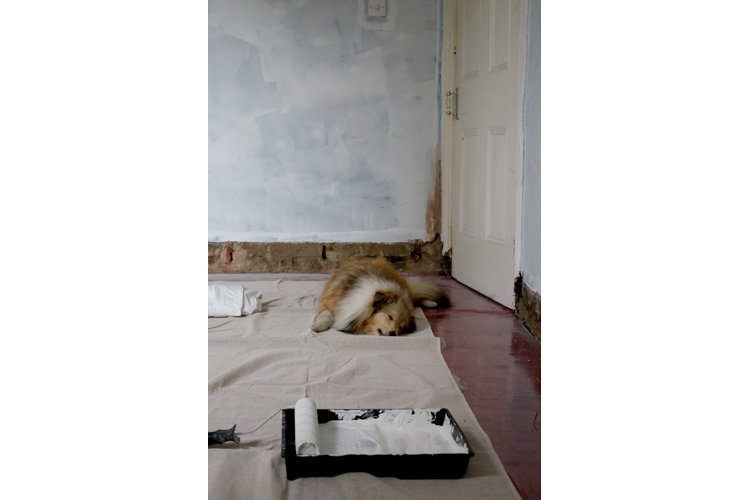
If your updates are more cosmetic and you’re not looking at any major building work, you’ll want to consider creating a relaxing haven away from the chaos of it all. Start with a room that won’t be too difficult to adapt to your own style and tastes. Begin with a space you can easily update to reap the rewards of your hard work quickly. If you have a living room that closes off from the rest of the home, then getting this space decorated first may be a good idea. If you have an open-plan space, your bedroom may be a good alternative for your own cosy retreat.
Building work and updates to a home can be a messy affair with a lot of dust and upheaval. With one room that’s away from the rest of the house, this can act as a little sanctuary to enjoy—where you can sit and relax with a cup of tea without looking at boxes, paint tins or building paraphernalia in your eye line. You may also want to consider starting with your child or children’s bedrooms. Giving them a quiet place that’s just for them can make their transition to new surroundings easier, especially if the rest of the home is going to be a bit chaotic for the foreseeable future.
As fun as it may be choosing paint colours or wallpaper and finding accessories for a space, you’ll always want to start with a plan. So, if you are currently facing an empty space or if your room requires a complete overhaul, here are some things you’ll want to consider before you start.
Assess the room first. You’ll want to draw attention to the positives and play down any negatives. Not a lot of light? Beautiful floors? Even with some negatives, your room can still look fantastic and a little DIY goes a long way! Of course, unless you are a confident DIYer, consider calling in the professionals to make major changes to things like flooring, electrics or removing ceilings.Start collecting inspiration to figure out your style. A great way to do this is to start a Pinterest board or Idea Board and collecting images of rooms you love, taking note of any patterns that emerge. Also take note of the styles you like because these will play a part in creating a cohesive design.
Take measurements. There’s no point in eyeing up a large sectional sofa if it won’t fit through the front door. So, make sure you take measurements of the entire space and put those measurements on paper! Creating a drawing of your room and of the elements in the room will really begin to shape your new space.
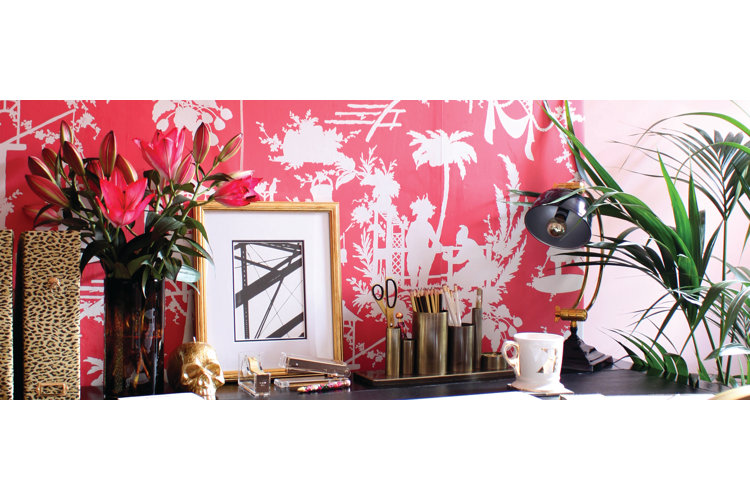
Now that you’ve addressed your room, considered your needs and collected your inspiration, you can start painting right? Well, no, not yet. In fact, so many people make the mistake of choosing their paint colours and decorating a room around it. The smarter alternative is to choose your textiles first! Find fabric, wallpaper or a piece of wall art that speaks to you, then pull your colours from this. Painting should be one of the last things you tackle and will tie together your whole scheme.
Be patient and take your time! The most well-designed rooms are the ones that are created over time. Rushing out and buying something that you aren’t in love with just because you want the room ‘done’ will never amount to a room you love. Take time to search out those perfect pieces, the right accessories and the furnishings that reflect you.
After choosing your favourite pieces and have a good idea of your personal style, it’s time to move on to your finishing touches! Your walls and floors are done and you may have even replaced a few key pieces of furniture, but is it truly done? So many people make the mistake of stopping there. While the ‘bones’ of the room are done and furniture is in place, your home may lack that certain something that makes it feel like it’s your own space. If you want a space that truly looks polished and complete, here are 6 important finishing touches you’ll want to make sure you add.
Text and images by Kimberly Duran from Swoon Worthy
https://www.wayfair.co.uk/Wall-Art-C476860.html?rtype=9&redir=wall+art
- An Area Rug
A great rug can help to delineate areas in an open-plan space, pulling together what might just look like a random assortment of furniture in larger areas. In a smaller space, they add texture or colour or pull a theme together in a room. - Personal Objects
Add your own personality by displaying objects that reflect your tastes and interests. Consider photographs, items picked up on your travels, items passed down from family or friends and books that reflect your hobbies.
https://www.wayfair.co.uk/Artificial-Plants-and-Trees-C1861005.html
- Artwork on the Walls
Consider a gallery of framed prints or just one or two large statement pieces, but whatever you do, don’t neglect the personality some well-chosen art can bring to a space. - Window Dressings
Even the simplest of cotton curtains hanging from your window will make the room look a bit more polished. In summer, light-weight or unlined curtains will allow for some measure of privacy and will filter the sunlight beautifully. In colder months, consider something a little heavier for better energy-efficiency.
https://www.wayfair.co.uk/Rugs-C476861.html?rtype=9&redir=area+rugs
- Decorative Objects
A stack of books, a tray with a collection of objects, table lamps or a few candles are all wonderful ways of getting a more complete look. - Plants Aplenty
Consider hanging a few plants and curating a little ‘urban jungle’ in a sunny corner or dotting smaller plants on a windowsill. If you fear you have a black thumb, start with hardier plants or even consider some good quality faux plants.
