10 Steps to Installing Your Own Bathtub
Results in a relaxing soak.
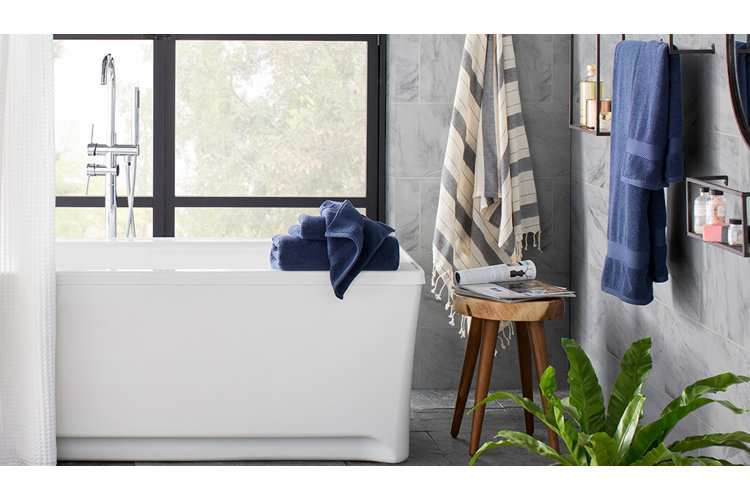
Whether you’re replacing an old bathtub or installing one from scratch, the process doesn’t have to be daunting. For an easy and seamless install, we recommend consulting a professional but for those DIY'ers among us, this step-by-step guide to installing a bathtub can serve as your starting point.
What You'll Need:
- Adjustable wrench
- Pry bar
- Utility knife
- Adhesive remover
- Screwdriver (phillips and flathead)
- Pliers
- Slip-joint pliers
- Hammer
- Gloves
- Safety glasses
- Sledgehammer
- Shower stem socket wrench
- Leveling bar
- Keyhole saw
- Self-leveling compound
- At least two people
Note: procedures and steps may vary depending on bathtub type. Always check your bathtub’s instructions before installing. Below are general guidelines to follow.
Step 1: Check Your Plumbing
Before you begin installing your bathtub, check the quality of your supply pipes, drain pipes and shutoff valves. If you see discoloration, stains, dimpling, pimples or flaking, this could be a case for corrosion and new pipes should be installed.
Step 2: Turn Off the Water Supply
Locate and shut off the main water supply for your home. To bleed the water pressure off the lines, open your tub and sink faucets and allow the water to run until it becomes just a steady drip.
Step 3: Remove Fixtures
With a screwdriver, unscrew any attached components such as the drain cover, drain basket, overflow valve and faucet.
Step 4: Disconnect the Drain
Gain access to the underneath of the tub and use pliers to disconnect the pipes and remove the drain.
Step 5: Remove the Tub
Using a utility knife, adhesive remover and pry bar, remove the tub from the alcove or encasement. Clear remaining screws and nails and cut away remaining caulk.
Step 6: Level Up
Make sure that your bathroom subfloor is level. If necessary, apply a self-leveling compound and let it dry between coats.
Step 7: Mark the Tub Space
Set the new tub in place and use a pencil to mark the location of the top and/or outside ledge. Set the tub to one side.
Step 8: Install the Supports
Measure and attach a ledger board one inch below the marks to support the bathtub. Fasten with coarse drywall screws. Repeat on all tub-supporting walls.
Step 9: Connect the Drain
Turn the tub on its side and install the drain according to the manufacturer’s instructions. Use plumber’s putty around the underside of the drain basket and screw the drain into place. To connect the overflow valve, place the rubber gasket onto the overflow elbow and position it behind the tub. Then attach the cover plate to the overflow elbow and connect the overflow to the drain pipes.
Step 10: Secure the Tub
Lift the bathtub in place and align the drain with the overflow plumbing. Connect the pipes and tighten. Nail the flange (which connects the tub to shower walls) to the studs in the wall. Refinish the wall or tub encasement and reattach the spout.
Before choosing a new bathtub, consider where the drain is on your current tub. Try to find a new tub that has the drain on the same side for easier plumbing. For more tips on how to choose a bathtub check out our guide, These Are The Best Bathtubs to Soak & Unwind In.
Tip: Discover more ways to renovate and improve your bathroom with:
- Brighten up Your Bathroom With These Lighting Options
- A Step-by-Step Guide on How to Tile a Bathroom Floor
- How to Upgrade Your Bathroom on a Budget
