These Are The Best Bathtubs to Soak & Unwind In
Rub a dub dub in the right tub.
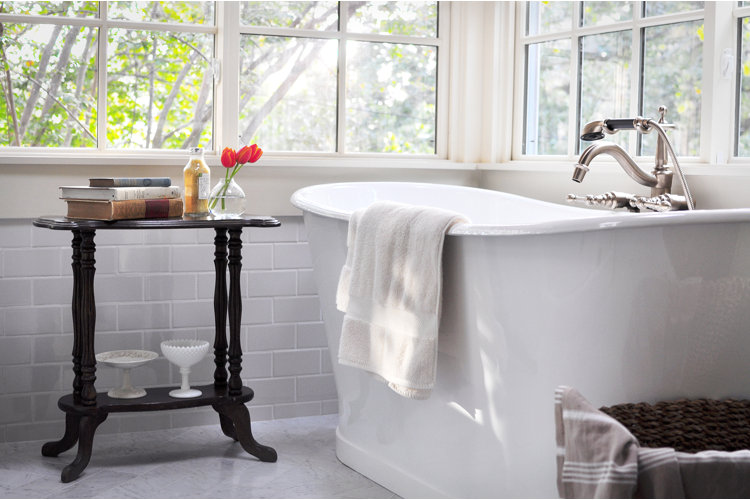
The cornerstone of most bathrooms, a bathtub will anchor the space and set the tone for the rest of the room. In this guide we cover everything you need to know when it comes to choosing the right bathtub, including installation styles, measuring tips, bathtub types and features and materials.
Overview:
How to Choose a Bathtub
Popular Bathtub Installation Types
Bathtub Materials
Additional Features
How to Measure for a New Bathtub
How to Choose a Bathtub
There are several key features to consider before deciding on a bathtub:
- Size of your space
- Lifestyle needs
- Drain and plumbing locations
- Water heater capacity
- Existing bathtub setup
Tip: Before starting any new home renovation project, always consult your local building regulations.
Popular Bathtub Installation Types
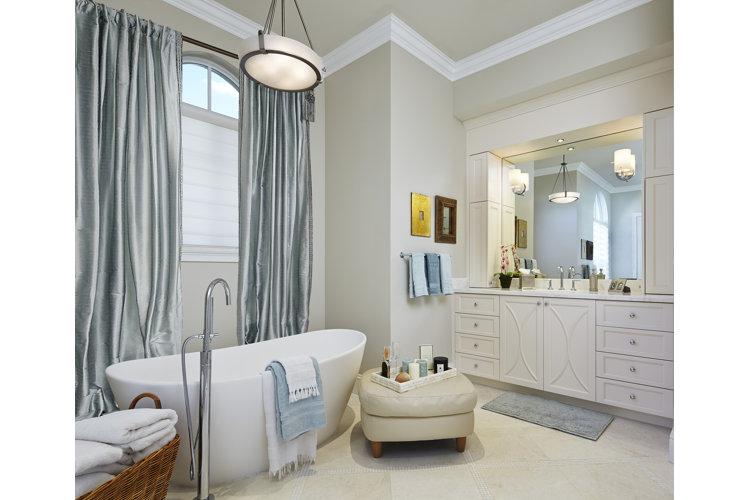
The type of bathtub installation depends on whether you're doing a complete bathroom renovation or replacing an old bathtub in an existing setup. Before replacing an existing bathtub, it's recommended to research into bathtubs based on how they're installed, as well as the shape you needed to fit your space.
Freestanding
This stand-alone tub has an exterior tap attached to the wall or floor. This style offers easy installation and flexible placement in most bathrooms.
Clawfoot
Named for its signature tub-supporting feet, this raised, freestanding-style bathtub is available with traditional or modern legs. For a high-back option, clawfoot slipper tubs are popular.
Recessed
Recessed bathtubs come with three unfinished sides and one finished side (the apron) that faces outwards. Tub-shower combinations are common with this type. A left or right tub orientation indicates that drain and tap placement will be on that side.
Corner
Corner bathtubs are installed on two walls in the corner of the bathroom, although there are options to install a freestanding corner tub in the centre of a bathroom. Corner tubs are typically larger and wider than standard bathtubs.
Whirlpool
This spa-like bathtub propels jets of water for a soothing massage and hydrotherapy. Installation commonly includes a pump, air switch, electric timer and access panel for adjustments and maintenance.
Air
This type of bathtub propels jets of air bubbles for a gentler massage. Installation commonly includes a pump, air switch, electric timer, and access panel for adjustments and maintenance.
Walk-In
These bathtubs include a side-panel door and are ideal for those with limited mobility. Many come with additional safety features such as slip-resistant floors and grab bars.
Soaking
With higher sides, this bathtub has increased depth for full submersion.
Bathtub Materials
Acrylic
Lightweight, easy to repair and available in many colours and shapes, acrylic tubs can be more moderately priced.
Fibreglass
These tubs are lightweight, reparable and often more affordable than acrylic options.
Enamel / Cast Iron
Enamelled cast iron is durable, solid, excellent at retaining heat and available in many colours.
Copper
This artisan option, often constructed with hammered recycled copper, is a costlier but one-of-a-kind finish that grows richer with time.
Additional Features
Lights (Chromatherapy)
For Chromatherapy, underwater LED lights change colour to suit your mood.
Built-In Heating
A built-in heating panel can be adjusted to add extra warmth to your back and shoulders.
Music
Built-in waterproof speaker panels can output sound and connect to other devices through bluetooth.
How to Measure for a New Bathtub
Along with picking the right style, you need to make sure it fits. To find the right size bathtub for your space, grab a tape measure and follow the steps below.
Step 1: Check Your Floors
Before you begin measuring, use a level to ensure your floor is level. This will guarantee accurate measurements and prevent water from spilling over your bathtub onto the floor.
Step 2: Measure the Length of Your Space
If your bathtub will be recessed, measure from wall to wall (side to side) to find the length of available space. If your space isn’t constrained by walls, your bathroom floor plan and existing plumbing should determine where your bathtub will sit – and how big it can be. The most common bathtub length is 152cm.
Step 3: Measure the Width of Your Space
To find the distance of usable space, measure from the wall forward, and remember: you’ll need clearance for the swing of any doors, space to access plumbing for any future maintenance, as well as enough room to get in and out of the bathtub comfortably. The most common bathtub width is 76cm.
Step 4: Measure the Height of Your Space
Consider bathtub height relative to the floor, factoring in faucet height and existing features like window ledges or electrical outlets. The most common bathtub height is 38 – 40cm.
Step 5: Consider Basin Size
The length and width of a bathtub’s basin will determine how well you fit inside. To find the interior length, measure from the left side to the right, going down the middle of the tub so you’re measuring the two farthest points. To find the interior width, repeat this measuring process, going from the back inside wall to the front. The most common basin size is 152 x 76cm.
Step 6: Consider Soaking Depth
The depth of your tub will affect your level of submersion. To find the soaking depth of a tub, measure the inside wall of a bathtub from the base to the overflow drain at its deepest point. The most common bathtub soaking depth is 35cm – 43cm.
Step 7: Consider Tub Capacity
Once you’ve calculated your desired basin size, consider the volume of water it will take to fill. Make sure your water heater can fill a basin of that size and that your floors can support the additional weight of the water. To determine if your water heater is large enough for a bathtub, the general rule is that the water heater tank should be about 2/3 of the size of the bathtub.
Step 8: Measure for Delivery
Determine which entrance to your home has the easiest access for delivery. Then, measure the height and width of all doorways and hallways, to make sure your new tub will make it easily to your bathroom come delivery day.
Tip: Find more bathroom ideas and inspiration with:
- 10 Steps to Installing Your Own Bathtub
- Every Bathroom Sink Style, Explained
- How to Choose a Bathroom Vanity Unit
