How to Choose a Bathroom Vanity Unit
From sizing to installation, here's what to know before you buy.
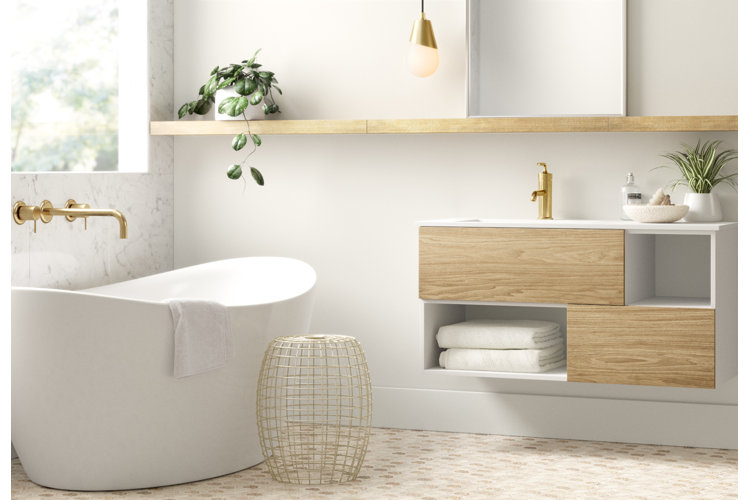
From mounting types and materials to design and size, we provide tips on how to choose a bathroom vanity unit that's perfect for your home. Follow our step-by-step guide below.
Step 1: Estimate How Much Space You Have
It's essential to measure your bathroom before buying your vanity unit, as well as to consider how much counter and storage space you'll need. While it's difficult to play around with width and depth, you can have a little more freedom when choosing the height. As you begin to measure, make sure you consider any interference with the entryway, storage drawers or shower doors. And if your bathroom vanity unit's already assembled, ensure there's enough room to get it into your bathroom.
Step 2: Choose Single vs Double Vanity
Single: Compatible with all mounting types, this is the most common configuration and is ideal for small spaces. Single-sink vanities typically range from 46cm – 106cm in width, but you can find some as wide as 152cm.
Double: Compatible with both wall-mounted and freestanding styles, this option is best for shared bathrooms. Double-sink vanities range from 122cm – 182cm in width.
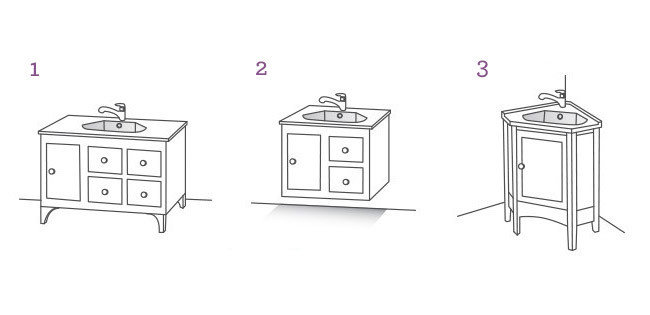
Freestanding: Freestanding vanities are the most popular bathroom vanity style. Although they're always secured to the wall for stability, most of their weight rests on legs that sit on the floor. This allows for more space for cabinets and drawers, maximising storage beneath the sink.
Floating/Wall-Mounted: Mounted directly to the wall with open space underneath, this sleek floating style makes your bathroom look bigger and can be adjusted to accommodate easily raised of lowered to whatever height is most comfortable.
Corner: This space-saving style is best for smaller bathrooms and 90° corners, offering storage and a flexible room layout.
Step 4: Choose the Materials
While vanities are available in many different materials, these are the most popular.
Countertops
Ceramic: A durable and easy-to-clean option, ceramic is a great choice if you’re looking for a low-maintenance countertop. Available in a wide range of styles and colours, ceramic adapts to any space. Ceramic top vanities are naturally moisture-resistant however, they should be sealed periodically to keep them from getting damaged.
Stone: Natural stone offers a luxurious and elegant touch. From granite to marble, there are many available options, each with a unique look. While stone countertops can be a big investment, they're extremely durable and stain resistant. Just be sure to polish stone regularly to keep it looking its best.
Glass: For a sleek and modern feel, glass countertops are a perfect choice. Glass is reasonably easy to install and has excellent stain resistance. Make sure you use non-scratch cleaners and towels when you clean it to keep that polished shine.
Solid-Surface: Also referred to as laminate or acrylic, plastic is the most budget-friendly option for vanity countertops. It’s durable, low maintenance, easy to install and available in a huge variety of designs. If the surface is scratched, you can use a fine-grad sandpaper to buff it out.
Wood: Wood can add a welcoming and rustic aesthetic to your bathroom. Pair a wooden countertop with a metal base for an industrial look or go all natural with a wood top and base. Wood will need to be sealed regularly to prevent water damage and warping.
Base
Base Materials: Base cabinets come in everything from hardwood to manufactured wood, metal or glass, while basin are mostly crafted from ceramic, stone, or glass.
Semi-Recessed Basins: This basin is designed to be installed under the counter, and gives a cleaner appearance. Because there are no exposed edges, this style makes countertop cleaning easy and fuss-free.
Vanity Basins: Also known as a top-mount or drop-in, this style is mounted directly into an opening on the counter, with its edges resting on it.
Countertop Basins: Typically countertop basins are bowl-shaped units that sit on top of the counter surface. They don't require undermount installation.
Things to Consider:
Style
Traditional style bathroom vanity units are often made out of wood and come with a base that resembles a classic cabinet or console table. Modern or contemporary style bathroom vanities have sleek, clean lines, smooth textures and simple hardware.
Size
It is crucial to find a bathroom vanity that fits in your space perfectly. We also recommend measuring your front door, hallways, stairways and any interior doorways that lead to where you will be placing your vanity. Using the size filter to help to determine which style of bathroom vanity unit fits to your home.
Plumbing Access
Most vanities have an open back or hole to accommodate plumbing. If the vanity doesn't include one, it is necessary to add one during installation.
Storage
Consider what type of bathroom the vanity unit will be going in to determine your storage needs; is it for a master bathroom, guest bathroom or kids' bathroom? Each has its own requirements, but there are a number of storage options available including drawers, shelves and cabinets.
Hardware
The majority of vanity units tend not to come with taps however some do, so make sure to read the description before buying. Mixing and matching taps and hardware gives another opportunity to customise the look of your bathroom.
Backsplash or Sidesplash
You may want a splashback for your vanity unit but these aren't essential and many modern vanity units don't feature them.
Maintenance
To keep your vanity looking its best, follow these super easy maintenance tips.
What You'll Need
- Cleaning products
- Clean cloth
- Liquid soap
Step 1: Clear the Area
Make sure there’s nothing on top of your vanity to make cleaning easier.
Step 2: Find a Cleaning Product
Check that the cleaning product you have is safe to use with your bathroom vanity top material. Using the wrong type of cleaner could stain or scratch your vanity.
Step 3: Wipe Down Area
Use your cleaner to wipe down the vanity and scrub lightly. Rinse off the surface and allow to dry. Use liquid soap to eliminate any grime on a soap dish, which will also help keep your vanity top cleaner.
Tip: If your vanity base hardware is looking dull, remove them with a screwdriver, place them in a solution of equal parts white vinegar and warm water. Use an old toothbrush to scrub any grime off. Rinse well and install them back into the vanity.
Enjoyed this article? Then you might also like:
- How to Make the Most of a Small Bathroom
- Relax and Unwind With These Bathtime Essentials
- How to Find the Perfect Bathroom Taps for Your Home
