Ask the Experts: What is an Induction Hob?
For a new way of cooking.
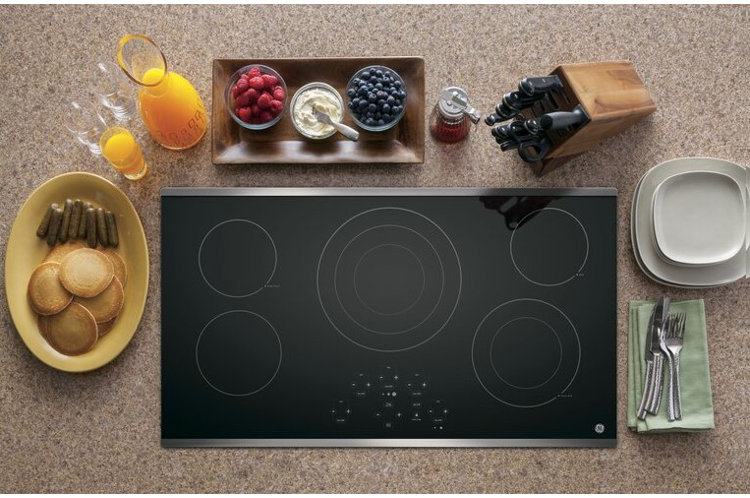
Are you interested in installing an induction hob but first need to learn more about what an induction hob is? Do you want to find out exactly what induction cookware is? Read this guide to become acquainted with this scientific method of cooking in the kitchen.
Overview:
What Is Induction Heat?
What Is an Induction Hob?
Induction Hob Features
Introducing Induction Cookware
Induction Cookware Features
What Is Induction Heat?
What is induction heat? Though it may seem like magic, induction cooking is applied science that removes the intermediate step of heating up a burner. Instead, induction heat is created by an electromagnetic field that forms between a copper coil magnet (housed beneath a glass hob) and the cookware atop the hob. This ferromagnetic field generates heat in the cookware itself, instead of the hob. As soon as you break the electromagnetic field by removing the cookware from the cooking surface, the heating will stop.
What Is an Induction Hob?
What is an induction hob? And should you get one? An induction hob looks the same as a smooth-top electric hob but the difference is that it heats with induction heating instead of electric heating coils. When induction cookware is placed on the induction burners, electromagnetic energy will cause just the cooking pan to heat up, meaning only the areas where cookware is placed may get hot.
Even if you touch the cooking zone while it is on, you won’t get burnt (though it's likely there will be residual heat where the cookware was placed, so it is advisable to remain cautious around the hob). Induction hobs are operated with electronic dials built into the glass to allow for easy temperature adjustment as you cook. As with other kitchen appliances, an induction hob must be installed near an electrical outlet. Before your purchase, make sure to measure the space you have available to help you choose between the two, four and even five-burner options according to your culinary needs.
Induction ranges heat more quickly than gas or electric hob and offer precise temperature control, which can help you cook with confidence and serve even the most finicky dishes with ease. With the quick heating and cooling of induction stoves, you'll be able to cook like a pro. Instant cooking control speeds up the cooking process, which can increase energy efficiency and reduce energy waste.
Induction Hob Features
Not only are induction hobs quick and energy-efficient, they also offer additional features to make them safer and easier to use.
Adjustable Temperature: Induction hobs are by far the most controllable and accurate types of stove. An induction hob the features an adjustable temperature will allow you to set, monitor and maintain the temperature is exactly the same every time with just the touch of button.
Auto Shut Off: Induction hobs are fairly innovative and therefore come with many built-in safety features, one being the automatic shut off. Once the internal temperature of the hob goes higher than it should, the unit will automatically shut itself off in oder to cool down. With some models there may be the option to override this feature.
Introducing Induction Cookware
In order for your induction hob to work properly, you will need to use it with induction cookware. Induction cookware is manufactured with an iron base so the electromagnetic field can pass into it to heat it up. The easiest way to check if your cookware is induction-compatible is to see if a magnet sticks to its base. If it doesn't, that cookware is not induction-compatible. Induction-compatible materials include iron, stainless steel, cast iron, enamelled cast iron and steel. Aluminum, glass and copper alone don't work on induction hobs.
Induction Cookware Features
Perfect for veteran chefs who require superior performance or for those simply looking to expand their culinary repertoire, induction cookware delivers all the essentials for cooking delicious, high-quality meals at home.
Dishwasher-Safe: Make your cooking experience that much easier by choosing dishwasher-safe induction cooking vessels. Dishwasher-safe induction cookware can resist prolonged exposure to heavy chemical detergents, high temperatures and strong water flow, which allows for fast, easy cleanup both in the dishwasher and by hand. Because your induction cookware won't lose its nonstick coating or sustain any damage in the dishwasher, it will last a long time, making your investment worthwhile.
Oven-Safe: Give your inner chef the chance to shine with versatile oven-safe cookware. With this cookware, you can start your meal on the stove and then transfer it right into the oven for braising, roasting or grilling without the worry that any components may melt or release toxic fumes in the oven. This versatility may also speed up the cooking process when transferring dishes from the stove to the oven and leave you with fewer dishes to wash.
Metal-Utensil-Safe: More often than not, metal cooking utensils can cause irreversible damage to your cookware, because its coating is unable to withstand metal-on-metal contact. A pot or pan with damaged coating will be harder to cook with and clean, as foods will be more prone to sticking. Metal-utensil-safe cookware gives you the freedom to use metal utensils without concern about scratching or damaging the non-stick coating. It's always a good idea to use silicone or metal-free utensils when you can, but in the event you don't have any on hand, you can rest assured that you won't damage your beautiful new cookware with metal utensils.
Cool-Touch Handle: Though your induction cooking surface will not get overly hot, your cookware will, which in turn can render its handles too hot to the touch. This can create a burn hazard. A cool-touch handle is a great safety feature which provides maneuverability, grip, safety and comfort when moving pots. You won't have to worry about finding an oven mitt or scalding your hands when handling your cookware. Induction cookware with cool-touch handles functions in one of two ways. Some cookware has specially manufactured steel handles which help to dissipate or reduce the conduction of heat and in turn remain cool.
Secondly, some cookware has handles made of a non-conductive material like wood, plastic, resin or any other nonmetallic material that will not heat up as the cookware does. Bear in mind that if a cool-touch handle is in the oven, it will heat up.
Stackable: Pots and pans are the main culprits in creating kitchen clutter. Stackable induction cookware allows you to safely store your pots and pans on top of one another, saving more space than with regular cookware. It can keep your kitchen neat and make it easy to find the cookware you're looking for without having to rummage around your cupboards. Many stackable pots and pans often have removable handles which make for easy dishwasher packing (as long as they're dishwasher-safe).
Waterless: Waterless cooking is not entirely waterless, but rather it uses far less water to cook food than the boiling method. Waterless cooking cooks food using low temperatures, very little water, and usually no added fat, resulting in brightly coloured, nutrient-rich and lower-calorie food. Waterless cookware typically has tight-fitting lids that trap steam, which then pressurizes the pot and forces the food to cook at a lower temperature than it would without a lid (also known as pressure cooking). The higher pressure also causes some food to cook faster, as it would in a pressure cooker. A small vent in the lids of waterless cookware allows the steam to be released, preventing too much pressure from building up.
Non-toxic: You may be surprised to learn that many older pieces of cookware with non-stick coatings can potentially be a major source of toxic chemicals leaching into your food. Non-toxic cookware offers all the benefits of nonstick coating without any of the harmful toxins.
PFOA-Free: Perfluorooctanoic acid (PFOA) is a man-made 'forever' chemical found in products that resist heat, water, sticking, stains and grease. It doesn't dissolve in water or in the ground and can cause many adverse health effects. Fortunately it's now rarely used, but it is still a good choice to browse PFOA-free cookware for your own peace of mind.
PTFE-Free: Polytetrafluoroethylene (PTFE) is another chemical-based non-stick coating that, when heated, can release fumes that are hazardous to breathe in. Though it is no longer used in the production of non-stick coatings, it's still better to opt for PTFE-free cookware.
If you're planning on making the switch to induction cooking, induction cookware or an induction hob, be sure to check out our extensive range of products to find everything you need to take the next step in your culinary journey.
Tip: Found this article helpful? Then why not also check out:
- Understanding all the Different Cookware Materials
- Can Non Stick Pans & Cookware be Restored?
- Ask the Experts: What Is a Rice Cooker?
