Ask the Experts: What Is a Rice Cooker?
Perfect rice, every time.
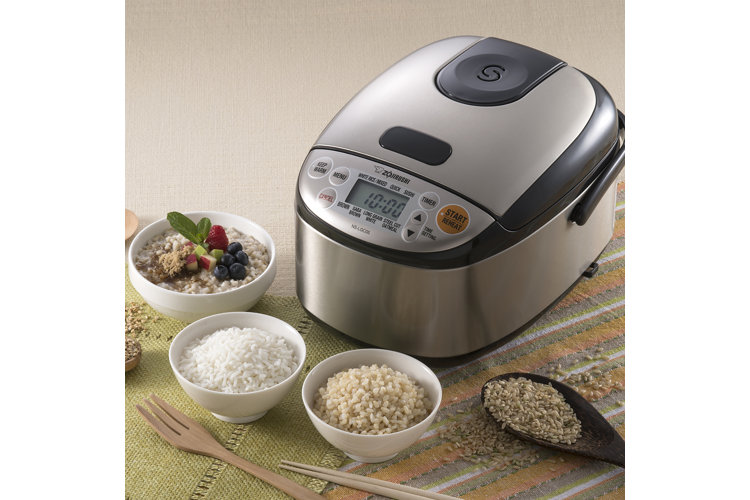
As one of the world's most consumed foods, rice is the key component for countless global dishes. Knowing how to cook rice properly is the first step in knowing how to cook an entire world's worth of unique and tasty dishes. With a rice cooker, making good-quality rice can be one of the easiest parts of your meal prep. Keep reading to learn why and how to use a rice cooker.
What Is a Rice Cooker?
A rice cooker is an electric kitchen appliance designed to automatically cook rice to perfection. Rice cookers look and act a bit like slow cookers, in that they consist of a large cooking pot with a heat source, a thermometer that monitors and modulates the pot's internal temperature, a tight lid, sturdy handles and a set of controls (usually one or two big buttons) on the front of the pot. Many rice cookers come with a rice paddle or spoon meant specifically for scooping cooked rice out of the pot without damaging its nonstick coating.
Why Use a Rice Cooker?
As you may know, a rice cooker isn't the only piece of cooking equipment you can use to cook rice. You can also cook rice in a stove-top saucepan or pot. Cooking rice in a pot is simple enough – all you need to do is insert your ingredients, bring them to a boil, turn the heat down, cover the pot and wait. So why bother with a rice cooker, a separate device that seems to only be able to do one thing?
Because rice cookers cook rice perfectly, every time. Even the most adept of stove-top rice chefs sometimes end up with mushy, starchy rice that's crusted to the pot and impossible to clean. And when the texture of your rice is off, the structural and textural integrity of your entire meal is in jeopardy. With a rice cooker, all you have to do is load your ingredients and press a single button. There's no need to modulate heat, set timers or even stay in the same room as the rice while it cooks. Many modern rice cookers have features that allow you to schedule rice cooking for later in the day, keep the rice warm when it's done cooking, steam other ingredients such as vegetables and more.
Tip: Rice cookers can be used for much more than rice. They can cook other grains, including quinoa, farro, polenta, risotto and more. They can also be used to make steamed veggies, soups, sauces, soft or hard-cooked eggs and even some cakes.
Rice Cooker Capacities
Because they also come in a wide variety of capacities from 1 cup to over 15 cups of cooked rice, rice cookers are recommended even for those who only eat single servings of rice at a time. If your household enjoys any amount of rice even semi-frequently, think about equipping your kitchen with a rice cooker.
Mini: Under 3 cups of cooked rice
Small: 3–5 cups of cooked rice
Standard: 6–9 cups of cooked rice
Large: 10–14 cups of cooked rice
Extra-Large: Over 15 cups of cooked rice
How to Use a Rice Cooker
Step 1: Read the Rice Package.
Be sure to read the package of the rice carefully to see how much dry rice and water are needed to produce the amount of cooked rice you'd like to have. You should also check whether your chosen rice needs to be rinsed before cooking - rinsing rice removes excess starch that can make your rice slimy or cause the pot to boil over. Some vitamin-enriched rice doesn't require rinsing.
Step 2: Place Rice and Water in the Pot and Rinse if Necessary
Measure out the correct amount of dry rice (according to the package) and pour it into the rice-cooker pot. If your rice doesn't need to be rinsed, add the exact amount of water specified by the package instructions to the pot. If you do need to rinse your rice, first pour in enough water to cover the rice and let it sit for about a minute. Next, use your hands or a rubber cooking utensil to swish the rice around in the water and dislodge excess starch. You should see the water become cloudy – that's the starch. Strain out the water, then add more and repeat the same process. Do so until the water remains clear when you swish it around. Strain out the last bit of water and then add the exact amount specified by the package instructions.
Step 3: Place the Pot in the Cooker and Close the Lid
You can also add salt, spices, oil, butter and other seasonings at this stage, before closing the lid.
Step 4: Plug the Cooker in and Press the Power Button
Located on the front of the device, the power button may be a switch or a button. A light should turn on indicating that the cooker is on and heating.
Step 5: Let the Rice Rest After Cooking
Rice cook times can vary depending on the type and amount of rice you're cooking, but most rice will be done within 15–35 minutes. The rice cooker will indicate that your rice is done cooking by making a sound, flipping the on/off switch back to its default position and/or turning off its cooking light. Many rice cookers will automatically initiate their warming setting once the rice is done. The warming setting can often be left on safely for up to 12 hours. Let the rice rest for at least 15 minutes before opening the pot to allow all excess moisture to be absorbed.
Step 6: Remove the Lid and Serve
If your rice cooker's interior pot is nonstick, use the provided rice paddle or plastic or rubber serving utensils to scoop out the rice. This avoids damaging the pot's nonstick coating.
Step 7: Clean the Cooker
Leave the lid open to let the pot dry out and then use a sponge or washcloth to remove any excess debris. Avoid using metal brushes or utensils with the cooker pot, as they can damage the nonstick coating. If your rice cooker pot is dishwasher-safe, put it in the dishwasher to clean it.
Tip: Enjoyed this article? Then why not discover:
- Ask the Experts: Best Wok to Buy
- Ask the Experts: What is a Ladle?
- The Best Food Thermometers for Perfectly Cooked Meat
