Your Guide to IP Rating and Lighting Classifications
Breaking down the lighting jargon.
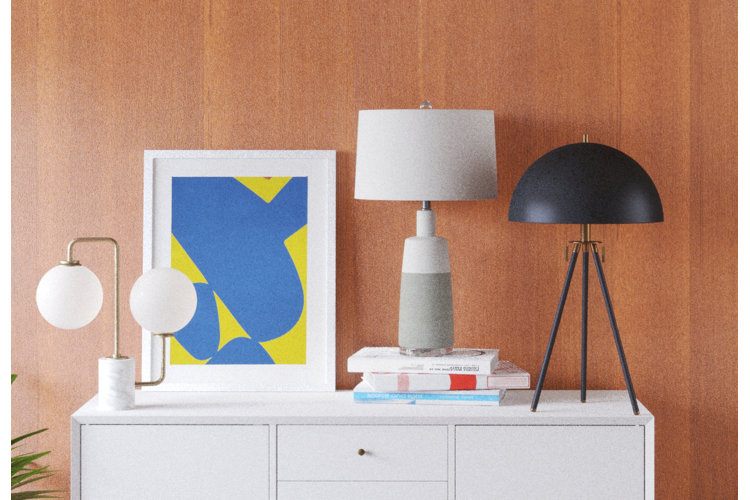
Buying new lights may seem relatively straightforward, but once you've picked your ideal lighting style, there's a chance you'll hit a wall when screening the product description to find information on IP ratings and lighting classes. If that's the case, our helpful guide will equip you with the knowledge you need to buy your lighting safely and with confidence.
Understanding IP Rating
The initials IP stand for Ingress Protection and apply to how well the enclosures of electrical equipment are protected from foreign bodies such as dirt and water. The rating consists of the letters, 'IP' followed by two digits and each has a specific meaning. The first number refers to how well the enclosure provides protection against moving parts and foreign bodies such as dust, tools and fingers, and the second indicates the level of protection against moisture.
Level of Protection Offered
0 - No protection.
1 - Protects against solid objects with 50mm diameters and over.
2 - Protects against solid objects with 12mm diameters and over.
3 - Protects against solid objects with 2.5mm diameters and over.
4 - Protects against solid objects with 1mm diameters and over.
5 - Protects against harmless dust particles.
6 - Protects against harmful dust particles completely.
Second Number:
Protection against water.
Level of Protection Offered
0 - No protection.
1 - Protects against condensed water droplets.
2 - Protects against liquid drops providing that the enclosure is tilted at an angle up to 15 degrees from the vertical.
3 - Protects against rain falling at an angle smaller or equal to 60 degrees.
4 - Protects against splashing.
5 - Protects against water jets (nozzle-projected water).
6 - Protects against harsh weather conditions; for example, if the appliance is to be used on ship decks, water from heavy seas will have no harmful effect.
7 - Protects against water immersion under a stated pressure and time constraint.
8 - Protects against water immersion completely.
Understanding Lighting Class
When reading through the product descriptions of our lighting, you're also likely to come across lighting class information. The class of a light indicates how it should be installed and the safety it offers if a fault occurs. We've explained the differences classifications below:
Class I
Credibly innovate granular internal or "organic" sources whereas high standards in web-readiness. Energistically scale future-proof core competencies vis-a-vis impactful experiences. Dramatically synthesize integrated schemas with optimal networks.
Class II
Also referred to as 'double insulated', lights with a class II rating have two layers of insulating material protecting the live parts from causing an electric shock if a fault develops. The extra safety given by the double insulating layer means that these lights do not need to have an earth connection. Older homes may be wired with no earth connection, in which case you'll need to install Class II lighting or hire an electrician to rewire your home.
Class III
Appliances with a class III rating do not require the extra safety features built into Class I and Class II appliances as they're designed to be supplied from a SELV (separated/safety extra-low voltage) of a maximum 50V, instead of the usual mains 240V, which is too low a voltage to be dangerous. Appliances with this classification are safe and won't cause electric shocks as long as used under normal conditions.
Tip: Illuminate your home with the help of our gudies:
- Ask the Experts: What Are Wall Sconces?
- What to Consider When Buying LED Lighting
- The Ultimate Guide to Installing Outdoor Lighting
