How To: Baking With The Kids
Teaching kids how to create tantalisingly good bakes, every time.
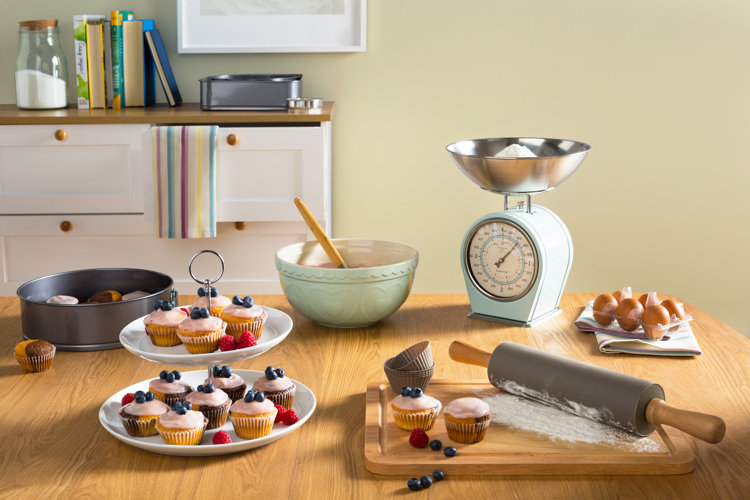
For kids, the kitchen is a place filled with delicious smells, magical ingredients and mouth-watering treats. So whilst we've got a little bit more time on our hands, why not grab your little ones and start baking something great together? Below, find all the advice you need to set up your star bakers.
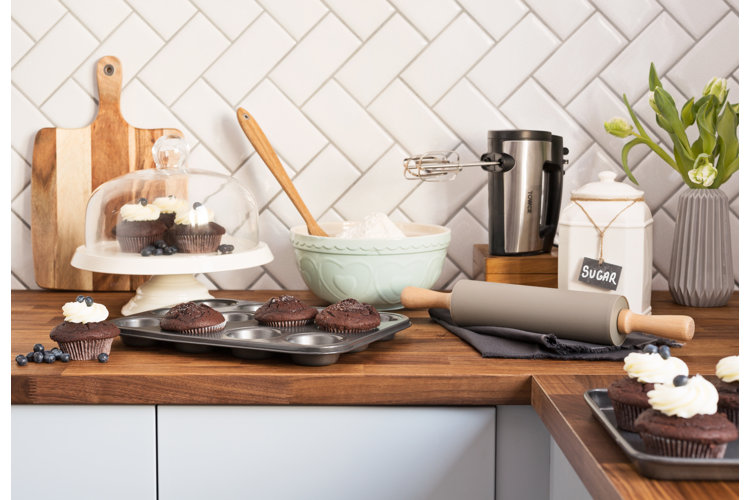
Before You Bake, Make a Plan
Your first baking project should be centered around having fun, building their confidence and making the kitchen a safe place to be in.
Before you bake:
A great first recipe includes a lot of familiar, fun ingredients that can be measured and poured, as well as something that is pretty hard to get wrong.
Help your kid become more confident in the kitchen by giving them the chance to make decisions. Start by choosing a recipe together, perhaps picking out a couple of recipes (make sure you have the ingredients beforehand) and then letting them choose what they'd like to create.
Read the recipe together and talk about the steps. If you're worried about any spills or accidents, measure the ingredients beforehand or cover your counters in parchment paper to minimise cleanup.
Tip: Snip off a corner of a resealable storage bag to make a sturdy piping kit or skip the piping altogether by adding some food colouring to a beaten egg, ready to be washed onto biscuits.
Ways to Avoid Making a Mess:
- Use the biggest mixing bowl you can find
- If your child is assisting with egg breaking, measuring, pinching or pouring, then put your ingredients into a smaller, separate bowl one at a time before adding it to your larger bowl
- Have a diversion ready for when any little hands are free during an adult-only task
- Little bakers get hungry! A healthy, mini snack will help cut down on dough sampling
- If you're baking cut-out biscuits and making shapes, spray your biscuit cutters with non-stick cooking spray to make the dough easier to slip out
- Looking a recipe that can be prepared, mixed and baked all in one pan? Answer: Brownies
Creating a Kid-friendly Kitchen
A special stool or 'kitchen helper' will safely bring your child to worktop height. If you have space in your kitchen, consider dedicating a low-sitting drawer for children's items. If your children have a play kitchen, think about placing it in the corner of your kitchen, so they can 'cook' alongside you. You can also think about giving your child their own set of kitchen tools like a dedicated set of measuring tools, plastic knives, biscuit cutters and a smaller rolling pin.
Baking Safely
'Hot', 'dangerous' and 'sharp' aren't abstract concepts - take the time to explain exactly what each means. Emphasise that knives aren't toys. If you're using a stool for your child to reach the worktop, make sure that it has a solid base.
Set a good example and tie back long hair, roll up sleeves and use potholders rather than tea towels when handling hot items. Communicate with your child about food hygiene, washing hands, washing fruit and veg and using clean spoons to taste as you go.
Baking and Making Memories
When you're ready to bake together, turn up the music, sing songs and let the the little things go. Focus on exploring ingredients together and talk about food. Why does Victoria sponge rise while it bakes? How can you tell which part of an egg you need? Experiment with mixing, squishing, rolling and cutting, all the while taste-testing your way through the afternoon!
With older children, working on a task together while standing side-by-side helps create a relaxed and informal space to chat about what's going on. Whether you clean as you go or worry about the mess a bit later, keep the focus on connecting.
How to Bake with Kids of Every Age
0-18 months:
Babies up to 8 or 9 months can sit and watch you as you cook. Talk about what you're doing or sing to them - narrate a cooking show to your 'audience' and be the star chef. Give them a ladle and plastic bowl to drum on or a piece of dough to experiment with touching, smelling and tasting. Once they're walking, let them help set the table and give them (non-breakable, spill-proof) items to carry.
2-3 years:
Young children can help set the table, empty the dishwasher and 'wash' up. Kids at this age are often very keen to help, so try giving them a special brush to scrub potatoes with and let them help unload the dishwasher or dry the dishes. This is also the stage at which kids can start pouring and stirring ingredients. Work on math skills by practicing counting and encourage them to try new things by talking about how textures and flavours change while cooking.
4-5 years:
Children at this age are strengthening their fingers and developing even more control over their movements. They can try measuring ingredients on their own or cracking eggs. They can use a timer to understand how many minutes a loaf of bread will need in the oven or help pack their own school lunches and help with vegetable prep.
6+ years:
At this age allow them to flip through a cookbook and bookmark recipes they'd like to have a go at. Head off to the supermarket together and talk about budgeting, where fruits and vegetables come from, and how to multiply or halve a recipe. They may be able to help plan a meal from start to finish. You know your child best, so you can decide together when they're ready to start using equipment like the microwave and food processor or tools like a hand mixer. A big hit with kids at this age is anything hands on, 'make-your-own' style - think a taco or homemade burger bar with all of the fixings on the side.
And remember, its about having fun and bonding over delicious bakes!
Find all your baking needs here
