Do You Know Which Direction Your Ceiling Fan Should Be Spinning?
There's a right (and wrong) rotation.
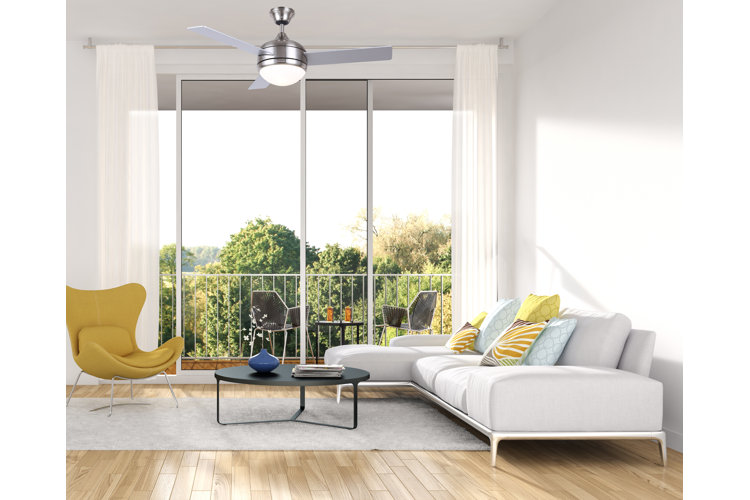
Ceiling fans are great for any room (inside or outside) and are known for their ability to circulate cool air in the warmer seasons. Ceiling fans are also helpful during the colder winter months. With a quick adjustment of ceiling fan direction, you can help warm up the space. If you’ve been wondering which direction ceiling fans should be spinning during the cold and warmer months, we’ve put together a guide to help choose the best ceiling fan direction for each season.
Why Use a Ceiling Fan?
Ceiling fans are beneficial to homes all year long. Most ceiling fans are designed for year-round use so you can take advantage of their energy-saving abilities each season. Knowing which direction ceiling fans should go will help you save on cooling and heating costs without changing the temperature on the thermostat.
Hanging your ceiling fan correctly will ensure that you're using your fan to its full potential. It should hang between 7 – 9 ft. from the floor. There should be at least 10 inches from the fan blades to the ceiling.
The Right Ceiling Fan Direction
Ceiling Fan Direction in Summer
During the warm summer months, ceiling fans should be spinning counterclockwise. This direction allows the fan blades to push the cooler air down. The blades push the air down in a column, making the room feel cooler than it really is and improving air circulation
Ceiling Fan Direction in Winter
While it may seem unhelpful to turn on a ceiling fan during the winter, it can actually make your room feel warmer. Set your ceiling fan direction to spin clockwise and put it on the lowest setting available. Warm air naturally rises towards the ceiling. The ceiling fan will pull up any cool air and send the warmer air that rises towards the top of the room down, making the room feel warmer. This allows you to lower the temperature in the room a few degrees and save on your monthly bill.
Specific Ceiling Fan Exceptions
When it comes to ceiling fan directions, there are a few exceptions.
Vaulted Ceilings
For vaulted ceilings, you’ll want to leave the fan spinning counterclockwise all year long. Due to where the ceiling fan is installed, the ceiling height makes it unlikely that you will feel any cool air.
Dining Rooms
For dining rooms, set the fan to turn clockwise at a medium to low speed. This keeps the fan from cooling your food down. There will still be a little airflow cooling you, but it will not be as intense or take away from your dining experience.
Outdoor
For outdoor ceiling fans, keep the fan spinning counterclockwise at high speed. This will help you with more than just cooling – the force of the air will also help keep pesky bugs away.
How to Change the Ceiling Fan Direction
Many ceiling fans come with a remote control that allows you to adjust the speed and direction of the blades. Press the button to speed up or slow down the fan and change the direction that it is spinning. If your ceiling fan doesn’t have a remote included, look for a switch on the motor housing below the blades. Flip the switch in the correct direction for the season. Be sure to check your manufacturer’s recommendations to confirm how to change the spinning direction of your specific ceiling fan model.
If you're unsure what direction your fan is spinning, look up at your spinning fan while running on low. Watch the blades. If they turn to the left, the fan is spinning counterclockwise, the best setting for warm weather. If the blades are spinning to the right, the fan is running clockwise, which is the best setting for cold weather.
Tip: Find more expert tips on ceiling fan and portable fans with:
- Things to Look for When Buying a Ceiling Fan
- Measuring and Mounting a Ceiling Fan Made Easy With This Guide
- Beat the Heat With a Portable Fan This Summer
