Finding the Perfect Crate or Carrier for Your Family Dog
From sizes to materials and more.
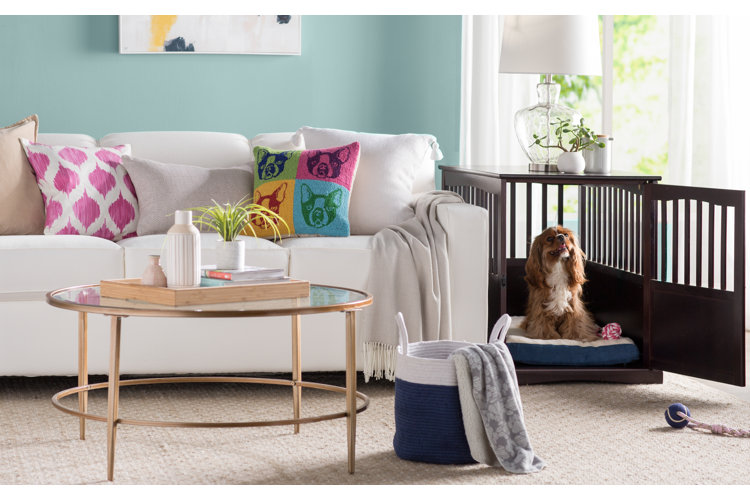
Whether you are looking to crate train your new puppy or upgrade your current crate for your dog, choosing the right dog crate size is essential for your four-legged friend. Dogs are den animals and love having a space to retreat to. Having a crate in your home will give your dog a sense of security and a place of their own.
When choosing your dog crate size, it’s important to use the correct dimensions. The crate itself needs to be large enough for your pup to sit up, lie down, stand up and turn around comfortably. Some factors to consider when choosing a crate are the size and age of your dog, the climate where you live, the style of your home and your dog’s special needs.
Measuring Your Dog
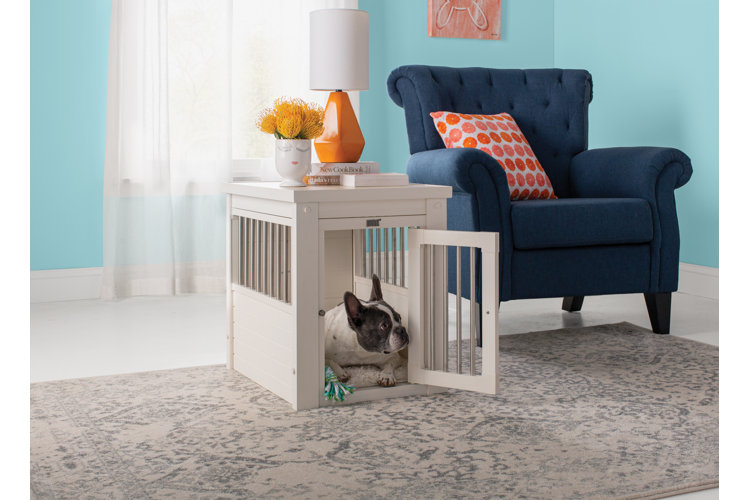
When choosing your dog crate size, it’s important that you know the length, height and weight of your dog.
Length
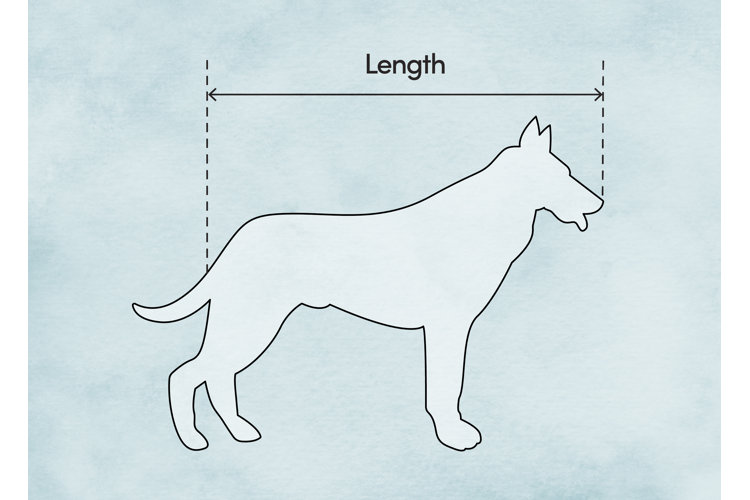
To measure the length of your dog, be sure your dog is standing still on all four feet. Measure from the tip of their nose to the top of their tail. If your dog has a thicker tail, measure a few extra inches of their tail to allow for more room when they get excited. For smaller dogs, add 2ʺ to your measurement. For larger dogs, add 4ʺ. This will give you the minimum length of your crate.
Height
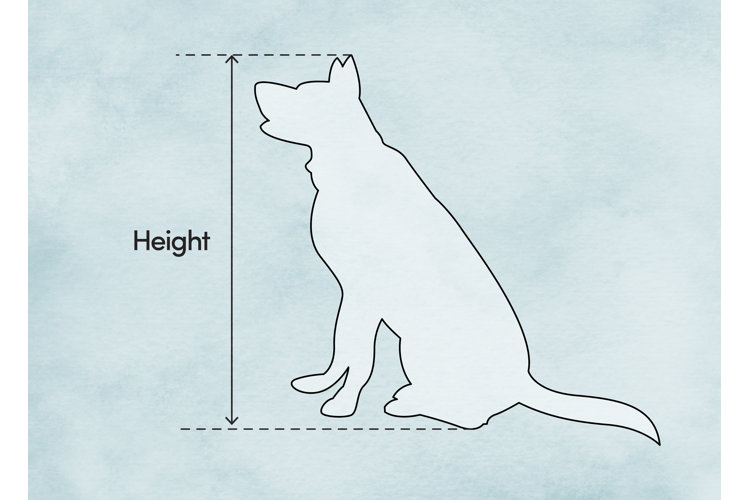
Next, it is time to measure your dog’s height. Get them to sit down – it may take a treat or two! Measure them in an upright position from the floor to the tallest point of their head. Add 2ʺ – 4ʺ to the measurement to get the minimum height that your dog crate should be.
Tip: To find the exact size of a crate, check out the Weights & Dimensions tab in the product page.
Weight
Once you have the minimum height and length, it's important to make note of the weight of your dog. Most dog crates are sold with suggested weight ranges along with dimensions. Extra-small crates are for dogs that weigh 10 lbs or less. Small crates are for dogs that weigh between 10 and 25 lbs. Medium crates are for dogs that weigh between 25 and 50 lbs, large crates are for dogs that weigh between 50 and 75 lbs, and extra-large crates are for any dog that weighs over 75 lbs.
If you are buying a crate for your puppy, be sure to plan for the average size of the breed. If you find that your dog is fully grown and is a bit cramped in their current crate, upgrade to a bigger version so they can be more comfortable (it’s better to have a little extra room).
Tip: If you are adding in a dog bed or pillow, be sure to account for that dimension as well when you are measuring for your dog crate size. You will want to add in a few extra inches depending on the size of the bed.
Dog Crate Types
Now that you know the perfect dog crate size, pick out the material that best suits you and your pup. There are multiple options, including metal, plastic, polyester and wood.
Metal: Metal or wire crates are a great option for puppies because you can use divider panels to allow their crate to grow with them. They allow your pup to see more of what is going on and they are easy to assemble, easy to clean if there are any training mishaps, collapsible/foldable and breathable. Since metal crates are open and allow for good airflow, this might be an ideal option for you if you live in a warmer climate or have a pup with a long coat. Metal crates tend to have multiple doors, with one on the top and one on the side.
Plastic: Plastic crates are easy to clean, and the handle on the top makes it a great option for transporting your four-legged friend. Plastic crates are not as open as wire crates, making it a go-to option if your dog is shy or reactive to other dogs, because it gives them a sense of privacy. Plastic crates are usually airplane-friendly but be sure to check with your specific airline beforehand.
Soft-Sided/Polyester: Similar to a plastic crate, soft-sided or polyester crates provide your pet with privacy and a sense of comfort. Due to their size, they are best for smaller breeds or puppies. They are lightweight and easy to fold and store, making them a good option for an occasional trip with your furry friend rather than a permanent crate.
Wood: Wooden crates are a strong, durable, permanent solution for your pup. They can double as a bedside, side or end table, making it a great option if you want something that blends in with your home decor
Cosy Accessories for Your Dog’s Crate
Once you have decided on the right dog crate, it’s time to think about what accessories your dog will need in their crate.
Crate Covers: Crate covers come in different styles and colours, making it easy to find something that fits your home decor. A crate cover gives your dog a sense of security, especially if they get nervous or reactive around people, dogs or noises.
Crate Trays: If you are in the midst of potty training, a crate tray may be just what you need. It allows for easy cleanup if your pup has any accidents inside their crate.
Crate Toys: If you are leaving your dog alone for a few hours, consider leaving a puzzle or activity in their crate to keep them busy. They will be so focused on getting the treats out, they won’t even notice you are gone.
Tip: Discover more pet-friendly ideas and inspiration with:
- How to Wash and Remove Odours From Your Dog's Bed
- How to Introduce a New Puppy Into Your Home
- Pet-Friendly Flooring Ideas to Try at Home
