Experts Tips for Buying and Hanging Wallpaper
Skip the paint for your next home makeover.
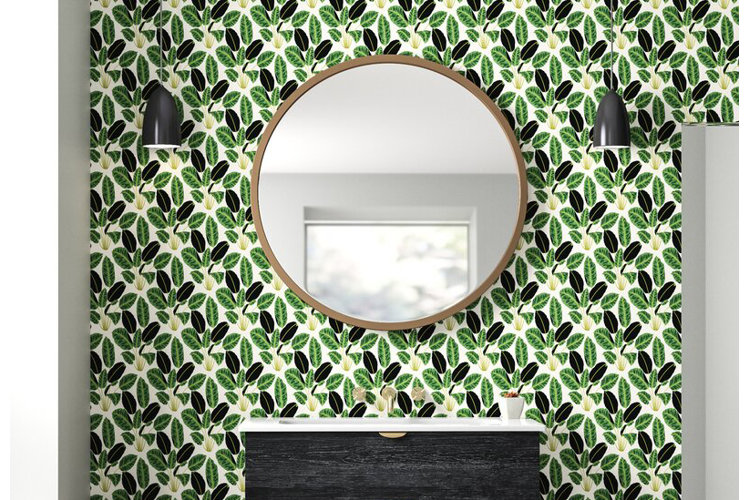
Wondering if wallpaper is right for your home? We've gathered information about wallpaper types, features and patterns to help you decide. And once you're ready, we have step-by-step instructions on how to hang wallpaper like a pro.
Wallpaper Types to Know
Wallpaper Application
Non-Pasted: This wallpaper doesn't come prepared with adhesive so you’ll need to use paste to apply it to your wall. Though the pasting process can be messy and particular, it tends to produce the most long-lasting results.
Pre-Pasted: Simply add water and this wallpaper is ready for application. No messy paste required. Though quick and easy, this application style unfortunately doesn’t last as long as the others.
Self-Adhesive: Also called peel and stick wallpaper, self-adhesive wallpaper acts like a sticker; just peel off the backing and apply it to the wall. If you redecorate often, it’s easy to remove and replace.
Wallpaper Materials
Vinyl
This is the most common type of wallpaper because it's easy to hang and remove, is the best option for damp areas and often comes pre-pasted.
Paper
Colours show up beautifully on paper wallpaper, however you should beware of scratching and tearing as this material is the most delicate wallpaper type.
Fabric
Considered the highest quality wallpaper, fabric wallpaper is difficult to hang. It usually doesn't come pre-pasted. Be extra careful about smoothing out air bubbles when applying, so the fabric doesn’t wrinkle.
Additional Wallpaper Features
Washable
Great for anyone with kids or anyone accident-prone, washable wallpaper can be wiped down to remove messes.
Moisture-Resistant
The best option for bathrooms and kitchen backsplashes, moisture-resistant wallpaper will hold up against water damage.
Paintable
Paintable wallpaper is thick, with a raised design to give it some added texture. It can cover wall damage and can be easily painted over in a colour that best suits your style.
How to Match Wallpaper Patterns
When deciding on wallpaper why not try a pattern? Patterned wallpaper is a fun way to add character to any room and can be used as little or as much as you would like. Hanging patterned wallpaper is not easy... you’ll need to pay full attention to how the pattern repeats when placing strips next to each other. The term repeat refers to the distance before the pattern repeats. The larger the repeat the larger the pattern.
Random Match
Ideal for beginners, random pattern wallpaper doesn’t need to be lined up and can be hung without regard for the pattern.
Straight Match
A bit trickier, straight match paper needs to be lined up vertically.
Drop Match
While the designs are much more complex, they're also more intricate and require both vertical and horizontal pattern matching. While drop match wallpaper is the most difficult to hang, it does provide the most impressive results.
Things to Consider: Buying Wallpaper
Determine how much you need. Measure the height and length of each wall to determine the square footage. Note the square footage on each roll of the paper you have selected and use these numbers to determine how many rolls you should buy.
Often, wallpaper is priced by 'single rolls', which tend to cover between 28 and 32 sq. ft., but sold by the 'double roll', which cover between 56 and 64 sq ft. Rolls of wallpaper available from Wayfair can be sold by either the single roll or the double roll, so when you’re checking out, be sure to pay attention to how much square footage each roll can cover – sometimes one roll of one wallpaper can cover only half the area one roll of a different paper can.
When in doubt, always buy extra to account for mistakes.
Tip: Wallpaper comes in batches. There is no guarantee that wallpaper from two different batches will be exactly the same colour. You should always buy extra from the same batch for mishaps and repairs.
How to Hang Wallpaper: Step-by-Step
Hanging your own wallpaper can seem daunting, but our step-by-step directions will walk you through the process.
Step 1: Remove wall plates and any wall art
If your wallpaper requires water to apply, be sure to turn off the electricity to that part of your home to avoid shock.
Step 2: Clean the application surface
Wallpaper can't cling to grease, dirt, old wallpaper or old paint. Scrape and sand away flaking paint or paper. If mildew is present, wash the wall with a mixture of bleach and water, rinse and let dry.
Step 3: Prime the wall
Use an oil-base primer and let it dry overnight. This will help to make the application of the paper easier and prevent small blemishes from showing through.
Step 4: Create guidelines
The most crucial step in hanging wallpaper in making sure the first strip is straight and level. Measure out from the corner the width of the paper minus 1.2cm, mark with a pencil, place a level at the mark, and draw a straight, vertical line. Repeat each time you reach a corner or start a new wall.
Step 5: Cut your wallpaper
Your wallpaper should be cut to fit the length of your wall. Measuring and cutting should be done throughout the application process to minimise waste and ensure pattern matching if you’re using patterned paper.
Step 6: Apply
Prepare the adhesive if need be then, starting at the ceiling and allowing at least 5cm of overlap on the top and bottom, apply slowly and carefully. Overlap ensures straight lines and will be removed later on.
Step 7: Use a wallpaper brush to flatten the paper and remove bubbles
Always start from the middle and work your way out.
Step 8: Repeat
Be sure to mind your pattern and line up the edges.
Step 9: Seal and trim
Seal seams with a seam roller. Wipe off excess glue with a damp sponge and trim edges with a sharp blade.
Tip: Still unsure how to hang your wallpaper? We've got your covered with these guides:
- Wallpapering 101: Wallpaper Installation
- The Expert Guide to Removing Wallpaper and Wallpaper Glue
- How to Wallpaper Over Wallpaper
