How to Choose Cushions and Throws That Will Complement Your Couch
The more the merrier.
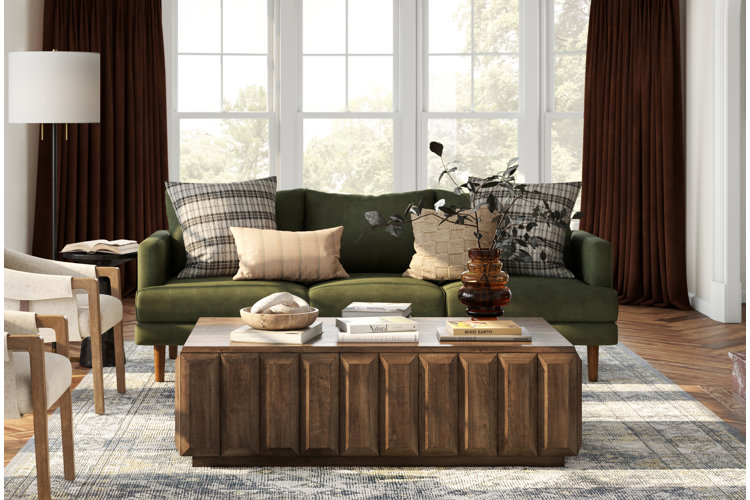
Sofa cushions and throws are simple but incredibly effective when it comes to styling your sofa and giving your living room that much needed facelift. From understanding cushion and throw sizes to their function and many designs, read our guide to find out how you can express your interior style - without having to complete a whole room makeover.
Sofa Cushion and Throw Buying Guide
How to Buy Cushions
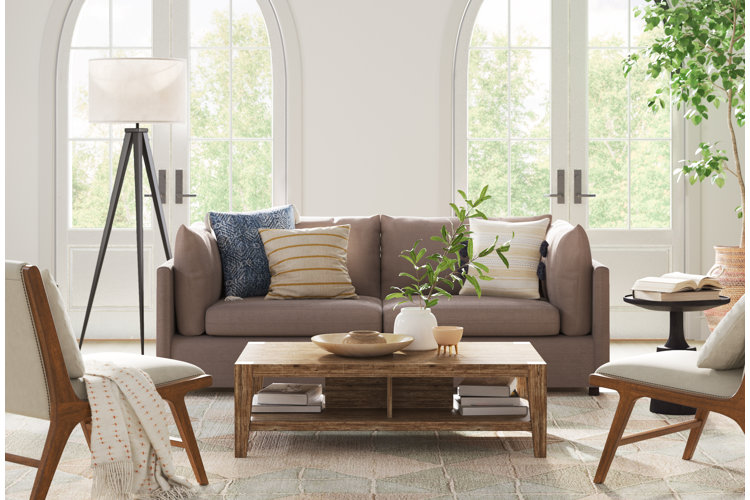
There are no solid rules when it comes to investing in and arranging sofa cushion, it's more about trial and error. Mix and match shapes and designs, clash prints with patterns, really use cushions as a way to express your personal style. Below, we've highlighted a few general tips to help avoid any total disasters.
Size
It goes without saying that cushions vary in size (and dramatically). Too small for your sofa and they can look out of place, too large and they threaten to swallow your sofa up. As a rough guide, wide or long sofas (3+ seater) tend to suit cushions that are roughly 40-45cm by 40-45cm to fill out the area.
Function
If you need support square cushions filled with foam or synthetic materials will help support your entire back. Adding in some rectangular or cylindrical cushions can help prop up the lower back and neck. Natural fillings such as feather and down render cushions as squishy and plush - not ideal if you're looking for body support but great for added cosiness to your sofa.
Colour
Whether you lean toward a warm colour palette, prefer cool tones or live for neutrals, there are plenty of colour options to choose from. We recommend alternating between large, solid-coloured cushions and small, patterned cushions for a textured appearance. If you choose large cushions in a solid neutral, you will be able to use them as the starting point for years of artful cushion arranging. Simply switch out the smaller, patterned cushions when you need a change.
Style
A mix of 3-4 large tonal cushions with some smaller, clashing cushions is a good base for any sofa. If you're set on symmetry, opt for two pairs of cushions, one solid pair and one patterned pair. Larger sofas look best with three to five cushions, whereas smaller sofas or love seats ideally should only have one or two. As we already mentioned, there really are no rules - you can always scatter extra cushions on your bed or put them into storage.
Try clashing your designs. A plain or flat-textured cushion can look beautiful alongside satin textures, and a few round or shaped cushions can really stand out alongside a group of square-shaped cushions. Varying the scale of the prints can also look striking. If you have a sofa cushion with a delicate, small floral pattern, consider pairing it with either a solid cushion or one that has a larger pattern to balance the other.
Cover Material
To choose a cushion cover material, you should first consider the purpose of the cushion. If the cushions that you're choosing will be used for everyday lounging or weekend night movies, choose a durable, easy-to-care for material. Cotton, linen or polyester materials are often machine-washable, making them that much easier to clean.
If you're choosing a cushion that's purely for decoration, feel free to opt for a luxe material like velvet, silk or suede. These cushions are typically spot-clean or dry-clean only, so make sure to handle them with care.
For an indoor cushion that you can also use outside, choose a strong fabric like jute. These cushions won't fade in the sun and they'll add extra padding to a dining or lounge chair.
Fill Material
Alongside the cover material, it's important to consider the cushion's fill material, especially if anyone in your household suffers with allergies.
Down/Feather: A feather down cushion is filled with feathers from ducks or geese. These cushions are lightweight and malleable, perfect for getting cosy on the sofa. Feather down cushions last for a long time, but they cause a reaction if someone has a bird allergy.
Polyester: Polyester cushions are crafted from synthetic polyester fibres. These cushions mimic the comfortable feeling of down feathers without allergens. While polyester cushions are affordable and comfortable, they may not be as durable as feather down is long-term.
Cotton: Cotton throw pillows are comfortable and naturally hypoallergenic. Cotton pillows are a little firmer than polyester cushions, which can create better support if you'll occasionally be working from the sofa or want to prop up for a meal.
Throws aren't just decorative, they add texture to a room, keep you warm and can make a seating area feel extra cosy.
Size
One of the most common sizes you'll find is roughly between 130-150cm to 150-200cm, perfect for draping over your lap to warm up a cold day. Larger throws, such as a double or king-size, are ideal for snuggling under, especially if you plan on being lay completely horizontal on the sofa.
Function & Materials
Wool throws are a must-have for winter but they're just as useful outdoors in the summer. Take yours outside for warmth during your morning coffee in the garden or for a post-dinner drink next to an outdoor fire pit - not to mention acting as impromptu picnic blankets.
Wool can become itchy for some people, so you might want to opt for lighter throw blankets, such as chenille or cotton and don't overlook acrylic-polyester blends. They can be incredibly soft and thick and super-easy to throw in the wash.
Styling
Throws can change the look of your sofa in an instant, so if you're bored of your sofa's plain look, cover it with a patterned design. Just like cushions, clashing textures and colours is anyone's game, especially on leather sofas with plush throws or a neutral-coloured sofa with a brightly-coloured graphic throw. And don't forget about sheepskin rugs and faux fur designs, which look as good draped over the back of your sofa as they do on the floor.
