A Step-by-Step Guide to Replacing a Bathroom Tap
Replace a bathroom tap in just 10 steps.
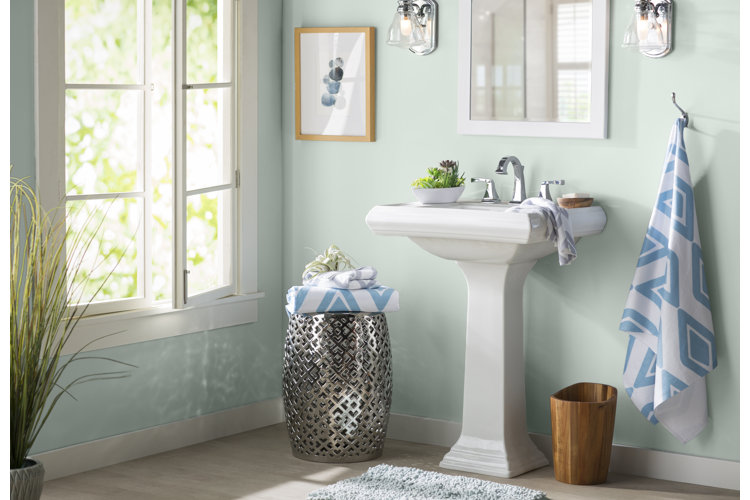
Home improvement projects are a great way to freshen up an existing space and add value to your home, but choosing the right project to tackle in a weekend can be difficult. Blogger, Jennifer Stagg took up the weekend task of replacing a bathroom tap - which turned out to be a surprisingly fun and easy project. Follow this step-by-step guide on how to replace a bathroom tap below.
Time Taken
~1 hour
What You'll Need
- Basin wrench
- Bowl or bucket
- Tap kit
- Flashlight
- Gloves
- Hex wrench
- Plumber's putty or silicone
- Plumber's tape
- Towel
- Vise grip
- Wrench
How to Replace a Bathroom Tap
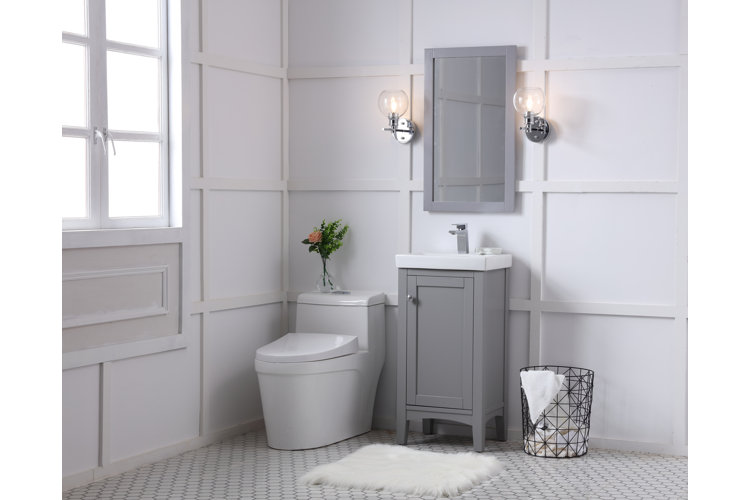
Step 1: Turn Off the Valves
To replace your tap, start by locating the hot and cold water valves under your sink. Place your bowl or bucket under the valves as well as where the gasket and p-tap connect to one another. Turn off both valves.
Step 2: Remove Existing Tap
Turn on the tap to remove any water pressure that was left in the lines. Using your hands and a basin wrench, remove the existing tap feature by disconnecting the lift rod and removing the nuts from under the tap. You may also need to disconnect the supply lines if they are still connected to the tap.
Step 3: Fitting the Gasket
Begin installing your new tap by fitting the gasket on top of the tap holes on your sink. This is an important step because it ensures the tap's connection to the sink is water-tight. In some cases, you may need to use sealant or plumber's putty at the bottom of the tap to ensure that it is secure.
Step 4: Secure the New Tap
After you have installed the gasket, tighten the new tap in place by threading the supply line hoses and the tap through the tap holes in the countertop. Make sure the tap is secure by tightening the mounting nuts.
Tip: Not all taps are preassembled, so you may have to connect the handles to their base. If you have to connect the handles, then your new tap will come with a hex wrench to tighten them to the base.
Some taps also include a plate that's made to hold the tap in place from underneath the sink. Using a wrench and the nuts supplied with the tap, secure the tap in place by tightening the plate and nut to the underside of the countertop. Check the tap to make sure it is straight before tightening the nuts.
After the tap is in place, use plumber's tape to cover the threads on the supply valves under the sink. Plumber's tape helps to make a water-tight connection to the valves when installing a bathroom tap.
Step 5: Replace Existing Nut, Gasket and Flange
Most tap installation kits come with a matching drain. The drain is made up of three important pieces including the flange, nut and gasket.
Flange: A visible piece that sits at the basin of your sink. In a tap kit, it matches the colour of your fixtures and is designed to prevent water leakages.
Nut: A large nut that creates a bridge between the flange and the gasket so drainage securely flows to the gasket.
Gasket: A cylindrical piece that connects the drain to the p-tap so drainage flows to the rest of your plumbing.
Locate the p-tap underneath the tap and unscrew the slip nut to disconnect the gasket and drain flange from the sink. Remove the existing nut, gasket, and drain flange and use a towel to clean any residue left around the drain and tap opening. Locate the p-tap underneath the tap and unscrew the slip nut to disconnect the gasket and drain flange from the sink. Remove the existing nut, gasket and drain flange and use a towel to clean any residue left around the drain and tap opening.
Step 6: Install New Nut, Gasket and Flange
Screw the new nut and gasket together by using your hands and set aside. Apply a small amount of silicone or plumber's putty to the bottom of the flange.
Step 7: Tighten and Clean
Connect the nut and gasket underneath the drain and make sure the pivot hole that attaches to the p-tap is facing toward the wall. Secure into place by screwing the flange from the top side. Tighten the nut and gasket to the bottom of the sink and clean up any excess putty or silicone from the drain.
Step 8: Secure Valves
Screw the hot supply line to the hot supply valve and the cold supply line to the cold supply valve. Use a wrench to secure the valves and lines to one another. Don't over-tighten the connection - it should be tight, but you should not have to work too hard at it. If you have already put your sink into place, then you will need to use a basin wrench to secure the supply lines into place.
Step 9: Test the Valve Connection
With a small bowl under the valves, test the connections by opening the valves and supplying water to the tap. If a connection is leaking, try tightening it first. If it still leaks, you may have to turn off the valve, remove the supply line, and apply more plumber's tape.
Step 10: Test the New Tap
Test your newly installed tap. Remove the aerator from the spout so you can flush out dirt and debris without it getting caught. Turn the tap on and allow water to drain through the system for a few minutes. Screw the aerator back into place.
Tip: If you notice any water dripping from the drain, try tightening the nut connecting the drain to the sink, and check that you have properly connected the p-tap. This will most likely solve the leak.
Remember that there are many different tap variations, so be sure to check out our guide to bathroom taps and refer to the manufacturer instructions if you get stuck at any point while replacing your bathroom tap.
