Rug Materials for Every Style
The lowdown on rug materials.
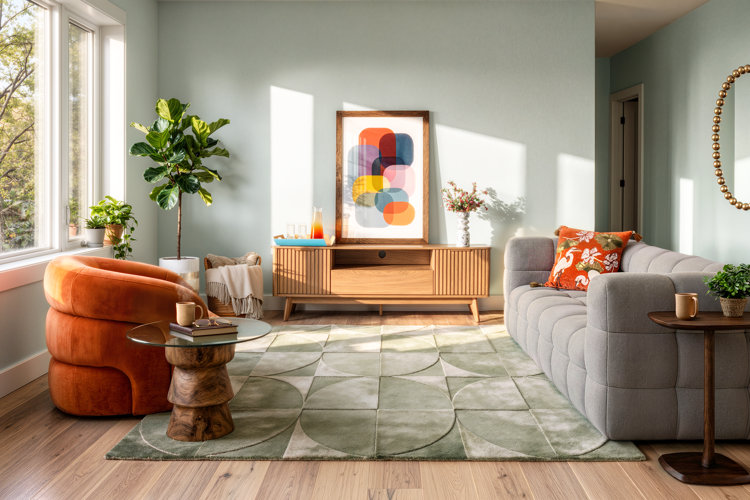
The material a rug is made from determines its durability, softness and overall aesthetic, making it a core element to consider when shopping for a new carpet. The best material for your rug depends on where you'll be placing it as well as the style you’re looking to achieve. Kickstart your search with our rug material buying guide, covering everything from most common material types to those you might not have even considered.
Jump to:
Rug Material Types
Natural Fibres
Wool
Soft wool fibres spring back when compressed, making these rugs ultra-durable and comfortable. They’re also stain-, dust- and flame-resistant. Natural differences in colour and texture add a rich visual depth to hand-knotted wool rugs, making them a favourite of design experts.
Great for: Wool rugs are great for high-traffic areas. Wool rugs are water- and stain-resistant, so these rugs are great for living rooms, dining rooms and hallways.
Things to consider: Wool rugs shed a lot at first, but after a few months of vacuuming they start to shed less over time. Wool can absorb humidity, so these rugs aren't great for damp rooms.
Cotton
Often flat woven, cotton rugs are fairly durable yet soft and can even be put in the washing machine. Lighter in feel and texture, cotton tends to have a more casual look, setting an airy tone in summer homes.
Great for: Cotton rugs are inexpensive and easy to clean, so these rugs can hold up well in kitchens, kids' bedrooms and casual spaces.
Things to consider: Cotton rugs don't always wear well over long periods of time. This is great if you like to switch out your rugs often, but a cotton rug may not be the best type of rug for you if you want to make an investment.
Jute & Sisal
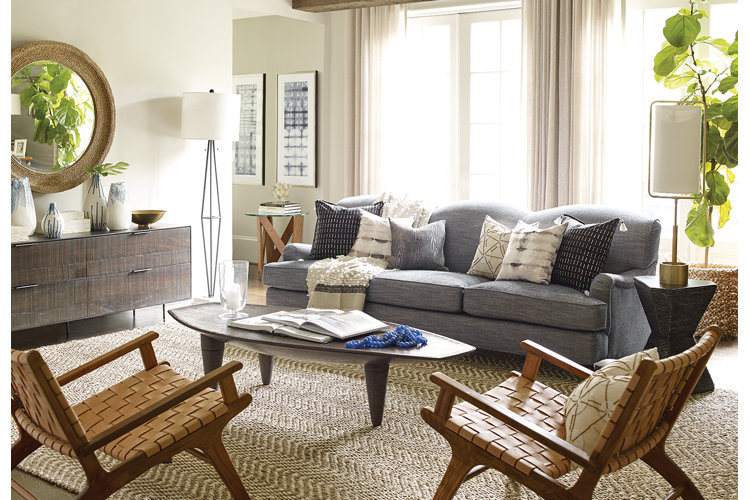
These textured natural fibre rugs add a beautiful organic look to your space. Of the two, Sisal tends to be more durable and easy to maintain than jute, though jute is usually softer underfoot. Both materials are usually dyed with earth tones. Careful cleaning is recommended.
Great for: Jute holds up well over long periods of time, so these rugs are great in high-traffic rooms. Jute rugs are great for sunny rooms too, because they don't easily fade.
Things to consider: While jute rugs are nice and strong, they're not the softest rugs. The fibres can actually feel a bit coarse. You probably won't want to place this rug in a bedroom or areas where little kids will be playing on the floor.
Polypropylene/Olefin
Vibrant, soft and extremely durable, polypropylene (or olefin) rugs are stain-resistant, easy to clean and can withstand indoor and outdoor weathering. The synthetic material mimics the look of natural fibres like sisal and wool.
Great for: Polypropylene rugs are great for large living rooms and bedrooms, particularly ones that get a lot of natural light, because polypropylene rugs won't fade over time.
Things to consider: Unless your polypropylene rug specifically says it is flame-retardant, the chemicals in these rugs can make them highly flammable. These rugs are not recommended for kitchens unless otherwise specified.
Polyester
A good percentage of polyester carpets includes recycled materials, meaning they’re often an eco-friendly option. The material lends itself to bright patterns and colours like pinks and reds as these don't fade over time. They're also soft underfoot, stain-resistant and dry quickly after a spill, making them a great choice in high-traffic areas or rooms that tend to be messier, such as your kitchen.
Great for: The fibres tendency to maintain colour makes them a welcome addition to kid's rooms.
Things to consider: Polyester rugs last anywhere between 5–15 years in semi-traffic areas before they need to be replaced.
Faux Fur
If you want to avoid decorating your home with real animal hide, thick, soft faux fur rugs made of acrylic fibres and suede are a good alternative.
Great for: Faux fur rugs are great beside your bed or in a nursery. Because faux fur rugs can be tiny, try layering one atop a larger vintage-inspired rug to make a big impact.
Things to consider: Faux fur can quickly get dirty, but most are machine-washable.
Sheepskin
Sheepskin fibres are extremely breathable, creating a natural temperature control that stays cool in summer and warm in winter. Because of its lanolin, sheepskin is both soft and durable. These rugs will not shed and are naturally hypoallergenic.
Great for: Any room! Sheepskin rugs are naturally resistant to dust mites and mould, but if you do find that your rug needs a bit of cleaning, then most are machine-washable.
Things to consider: Over time sheepskin rugs revert back to their natural colouration, so don't be alarmed to see yours turning from creamy white to a shade of yellow.
Cowhide & Leather
Each one of a kind, these unique rugs are statement makers in any space. They are extremely durable and stand up to wear. They are also naturally hypoallergenic and resist dust and mould, meaning they don’t require deep cleanings to maintain their beautiful look and feel over the years.
Great for: Cowhide rugs are pretty durable, but not great for heavy foot traffic. Place a cowhide rug in a bedroom or home office.
Things to consider: Cowhide does not hold up well in damp or humid environments, so it's best to keep these rugs away from kitchens and bathrooms.
Tufted
These detailed pile rugs are soft, textured and quite durable at low pile heights.
Hand-Knotted
Meticulously made by professional weavers tying one individual knot at a time, these works of art take months to complete. Hand-knotted rugs are some of the most durable and intricate available, made to be passed on as future heirlooms.
Looped/Hooked
The threads of these rugs end in loops rather than tufts, so they tend to be firmer and denser than hand-tufted rugs.
Braided
Threads in braided rugs are woven tightly together, often concentrically, to create durable, firm and ridged mats.
Flatweave
Great for layering, these tightly woven, thin, flexible and often reversible rugs can be found in countless bright colours and patterns. They’re extremely light, durable and easy to clean. Traditional styles include kilim, a Central Asian form of flat weaving that leaves a very small slit between each color block and dhurrie, which are Indian floor covers.
Pile height refers to a rug’s thickness. Typically, rugs with flatter piles are more durable and easier to clean than thicker rugs, while thicker rugs tend to feel cosier underfoot. For all rugs that will be situated close to a doorway, make sure the pile is low enough so that the door can open and close without getting stuck.
Flat Pile
(Less than 1.5cm) Flat pile (or thin) rugs are often made of natural fibres and are incredibly durable. They can double as wall hangings because of their lightness.
Medium Pile
(1.5–5cm) These unobtrusive rugs are great for giving a room a little texture without going overboard.
Thick Pile
(5cm and over) Thicker rugs are comfortable and warm but harder to clean.
Shag
These thick, loose rugs stand out and are good for cosier room designs. They tend to require more careful upkeep.
High-Low
A combination of a flatter pile and a thicker pile often blocked by colour or design creates compelling texture.
