How to Store Your Winter Clothes so They Stay Clean & Dust-Free
Like new, every season.
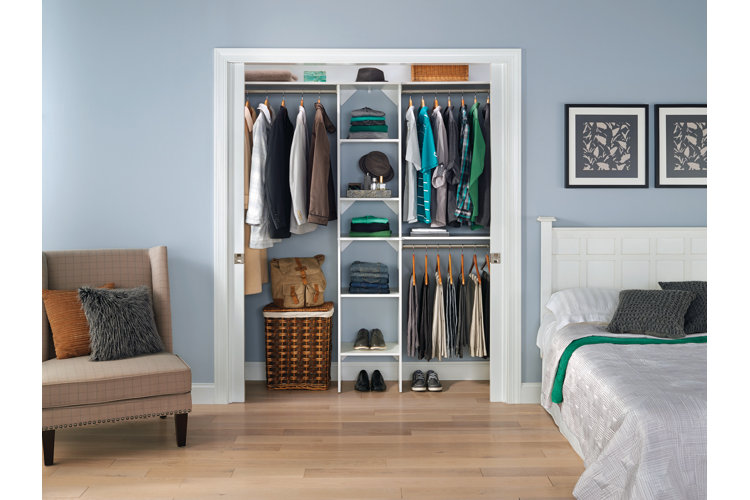
As the temperatures begin to turn, it's time to begin thinking about reorganising your wardrobe. Winter clothes have a reputation for needlessly taking up space in your wardrobe when out of season, which is why learning how to store your winter clothes properly can benefit you by not only saving on closet space, but also by ensuring that your clothes look as good as new when you take them out again the following year.
How to Store Winter Clothes
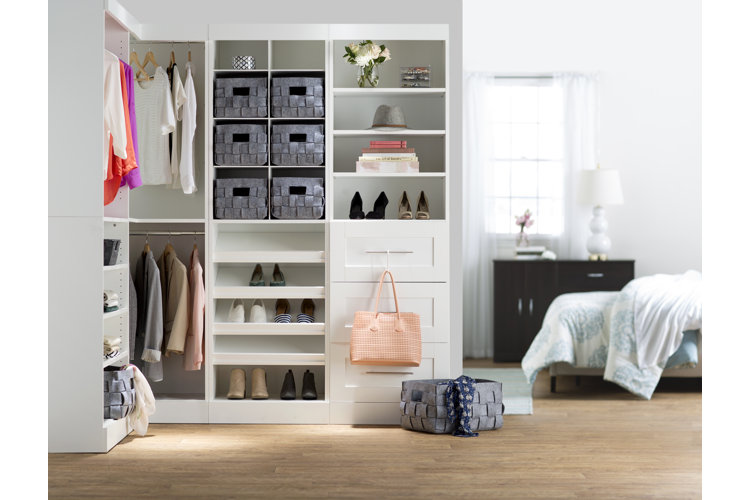
When it comes to storing clothes, it's tempting to simply toss them all in a box and hide them out of sight until next season – and though this may seem like a quick fix, the improper storage of clothing can result in irreversible damage to your beloved coats and jumpers. Before you can begin storing winter clothes, you should prepare them so that you can properly store them until next season.
Step 1: Begin by emptying out your wardrobe to see what you have. Lay out all of your winter clothes so that you can start working through them.
Step 2: It's now time to get a little cut-throat and cull anything that you didn't wear this season or don't plan on wearing the next. Whether you give them away to friends or donate to those in need, there's really no need in holding onto items you have no use for. It's also a good time to get rid of clothes that are damaged beyond repair.
Step 3: Now that you have your new winter wardrobe ready, it's time to start preparing it for storage. Wash everything according to its instructions. Whether they're washed by hand, by machine or dry-cleaned, it's vital to clean your clothes before storing them, as stains that are left for an entire season can become permanent. You should also note that sweat, perfume and spills on your clothing can all potentially attract unwanted attention from pests, so it's best to ensure your items are spotless.
Step 4: You can also take this time to mend and repair any minor imperfections to your winter clothes, sew on missing buttons or send them to a tailor if you don't want to do it yourself.
Step 5: Repeat this process for your shoes. They take a beating during the colder months, so you will want to clean, wash and scrub your shoes (those that you can) to get rid of any grime, salt or dirt that has accumulated over the winter.
Step 6: Be sure to allow all of your clothing items ample time to dry completely. Packing away damp clothing can result in mildew.
Step 7: Decide how you plan to store your winter clothes.
- As a rule of thumb, you should fold anything that will stretch or lose its shape if hung up and hang up any items that will wrinkle if folded.
- Make sure that any storage containers you choose to use are properly cleaned and dried and that those with lids are able to seal properly.
- If you are really short on space, consider using your luggage as a form of storage, especially if you only travel a few times a year.
- Do up any zippers and buttons so that your clothing can maintain its shape.
- Try to pack items loosely, with heavier clothing at the bottom.
- Remember to keep out a few transitional pieces (including light sweaters, jeans and one or two coats) for the period during the season change so that you don't have to go back and search for them when the need arises.
Step 8: Store your clothing in whatever free space you have available. If you can, avoid storing clothes in the loft, basement or garage, as extreme temperatures and damp air can adversely affect your clothing.
Winter Storage Solutions
If you don't have the room to store your entire wardrobe in one place, storing your clothes according to season is a great way to save on space. A pivotal part of storing winter clothes is the storage method itself. There is an array of options available, so you can choose what works best for you based on the winter clothes that you need to store and the space you have available to do so in.
1. Storage Bins & Baskets
The most common storage methods are bins and baskets. Any clothing stored in a bin or basket will need to be folded. You can find bins and baskets in a wide range of sizes and materials, giving you the chance to choose how to store winter clothes in a way that suits you.
Storage Baskets & Boxes: Use bins and boxes to store sweaters and other folded items such as pants and winter accessories. They're smaller and lighter and can be used to fill high spaces such as the top shelves of wardrobes. Lidded and stackable storage bins and baskets offer an added bonus for protecting and storing your clothes while saving space.
Storage Tubs: A storage tub is ideal for storing winter clothes in bulk. These are much larger and more heavy-duty than cloth bins, which means that they can hold larger amounts of smaller items or easily store bigger coats. Pick clear tubs so that you can see the contents without needing to open the lid. Make sure to fold and loosely store your winter clothes so they can breathe over the season.
2. Under-Bed Storage
When space is at a premium, you'll want to take advantage of every inch you have available. Under-bed storage is an out-of-the-way storage solution that is often overlooked. If you have space limitations, consider storing clothes in storage bins made to slot into the space under your bed. These storage bins are also made for shoes, so you can ensure your expensive boots are packed away and protected during the off-season.
3. Hanging Storage
Storing winter clothes doesn't only have to take place in locations outside of your closet. Hanging and over-the-door organisers can help to create additional space within your wardrobe, allowing you to store multiple items in an area that would otherwise only accommodate one of two items. A hanger caddie is perfect to store folded knitwear, while over-the-door storage works well for accessories such as gloves, scarves and hats.
4. Additional Shoe Storage
Once you have done all the prep work for storing your winter clothes and shoes, you won't want to toss them in a cardboard box. Poor shoe storage can cause shoes to become misshapen and damaged before you get to wear them again next season.
Shoe Racks & Cubbies: There are many shoe racks that simply slot into your wardrobe, allowing you to keep your collection organised. You can use the top shelf of a shoe rack to store taller winter boots. Shoe racks and cubbies can also be placed in another room or location in your house, once you have switched your out of season shoes around.
Shoe Storage Benches: If you are looking for a dual-purpose shoe storage method, then a shoe storage bench is for you. Not only can you keep your shoes from taking up valuable space in your closet, but you will also have the added benefit of a bench. Whether you sit on it or use the top space to store other items, a shoe storage bench gives you more bang for your buck.
Shoe Storage Cabinet: You can also go all out and invest in an entire shoe storage cabinet. Though they do take up a large area in your room, you should be able to store an extensive collection without too much trouble. Some shoe storage cabinets come with additional drawers and shelves, giving you a place for your storage boxes and bins if need be. The taller cabinets are also good for housing winter boots.
5. Storage Furniture
The challenges of storing winter clothes may call for an entirely new storage unit or a little creativity when it comes to storage furniture.
Chest of Drawers: Sometimes the best solution to storing clothes is with a new chest of drawers. Our impressive range of dressers, drawers and chests will give you ample opportunity to select one that best suits your decor, while giving you the perfect place for storing winter clothes.
Blanket Boxes: A blanket box falls somewhere between a bench and a dresser. These large boxes function as a bigger open space where you can store other smaller storage boxes while still having the closed lid that can function as a seat or an additional storage surface. Blanket boxes are especially ideal for bulkier coats, knee-high boots and other larger items.
Storage Ottomans: You can get a little creative when it comes to storing clothes. A storage ottoman is a dual-purpose option that can work for smaller items and accessories. This way you can keep your out-of-season clothes out of the way while you kick your feet up and relax.
Clothes & Garment Racks: For something a little more chic and modern, a clothes rack offers an interesting winter clothes storage option. These double-duty racks provide hanging and shelf storage for your clothes, boxes and even shoes, allowing you to organize your out-of-season wardrobe with ease.
6. Additional Storage Accessories
Storing winter clothes requires additional accessories that you may not already have.
Hangers: It is time to throw away those old wire hangers and opt for more sturdy and clothes-saving options. Wooden hangers are sturdy and long-lasting, allowing you to hang heavy and bulky items such as coats. Velvet and satin hangers are good for keeping vintage and delicate items safe.
Garment & Vacuum Storage Bags: When you think about storing winter clothes, the first thing that may come to mind is a vacuum storage bag. Especially for coats and jackets. Though they are wonderful for reducing bulky items, truth be told, vacuum sealing is most suited to short-term storage, as it can potentially misshape and damage your clothing. Garment bags are a better option for keeping your clothing pest and dirt-free. Always make sure to be deliberate in how to pack to ensure that you come back to well-stored items next season.
When it comes to storing winter clothes, your options are almost endless. Choose an appropriate storage method for you, your clothes and your space.
Tip: Discover more ways to give your bedroom the Marie Kondo method with these additional articles:
- The Ultimate Guide to Clothes Storage
- These are the Best Clothes Hangers for Streamlining Your Wardrobe
- Easy Yet Effective Ways to Keep Your Chest of Drawers Organised
