Are You Ready for a 70s Interior Design Revival?
Groovy trends with a modern twist.
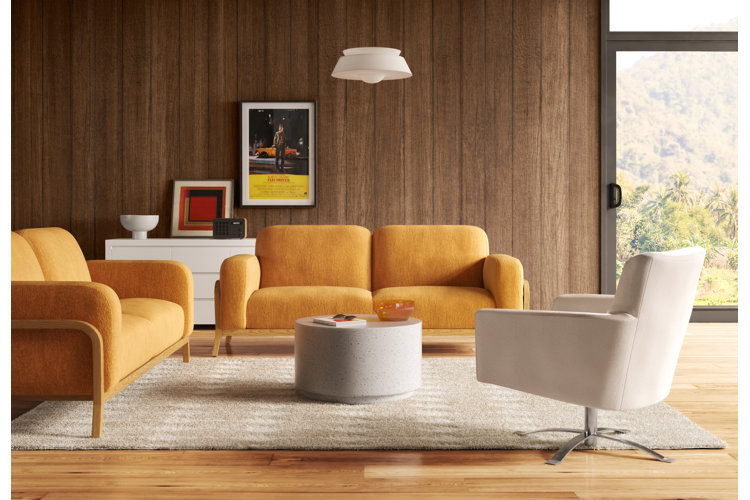
If you dream of a world where you can live in flared velvet pants and shades of turquoise, orange and olive green, you've come to the right place. We can't get enough of 70s interior design, and we're always looking for ways to make it fresh and modern. Curious what a modern 70s home looks like? Ask your Alexa to play Fleetwood Mac and then check out our top 70s-inspired interior trends below.
1. Start With a Conversation Pit
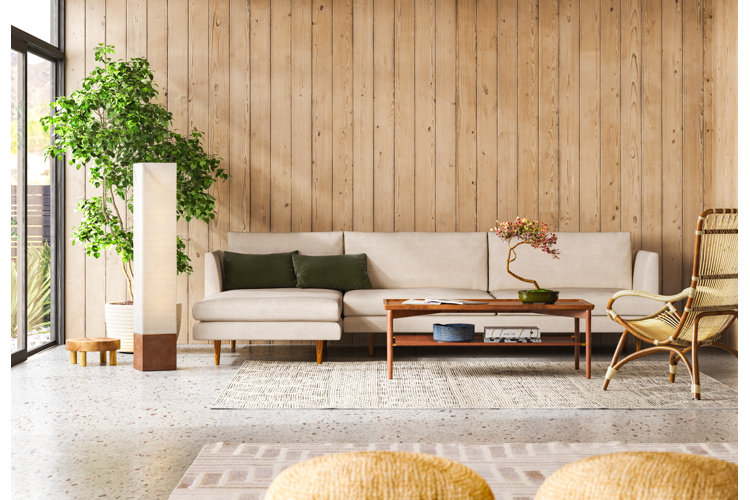
The key to recreating a relaxing 70s vibe? A conversation pit. Since your home probably doesn't have a recessed living room, you can re-create that feeling with your furniture placement. Set up a cosy little nook by using a sectional sofa to separate the living room from surrounding areas. Then add a large wooden coffee table in a simple design – so that everyone has room for their drinks. Cap the conversation pit with a lounge chair or armchair.
Cane and rattan furniture is here to stay. Wicker materials are the best as they're incredibly lightweight, making them easy to move from one apartment to the next. Use rattan as an accent piece to make a statement among upholstered and concrete furniture. Try out rattan dining chairs (super easy to stack), or upgrade your living room with a rattan side table. Updating a bedroom? Consider a rattan headboard. They don't require any assembly and are easy to wipe clean.
Circular furniture and curvy accent pieces are the best thing about reinventing 70s living room ideas. Look for furniture that adheres to the 'form follows function' rule of modern design. We're talking sofas and chairs with minimal tufting, curved backs and arms and legs that stay low to the floor. Pick out accent pieces that fit into this description as well: globe-like lamps, smooth ceramic vases and large circular mirrors. The 70s were a decade defined by lots of colour, particularly colours like aqua blue, olive green and burnt orange. Choose furniture and accent pieces in these bright colours, but find a way to work in neutrals as well.
Terrazzo is concrete mixed with small pieces of marble, granite or ceramics. Because of the different colours, it appears multidimensional and adds a lot of texture to any room. Terrazzo is traditionally used in outdoor furniture, but 70s interior design will make you want to pull it inside. The best part about terrazzo tables is their water resistance, making them ideal for iced coffees or negronis. If terrazzo furniture is too heavy, invest in a couple of planters to achieve the same effect. (Check tip #10 for more info on plants.)
Marble is a sleek way to balance out the woven and braided textures of 70s interior design. It's a durable material that's made to withstand years of use. Our favourite spot for marble? The bathroom vanity. A crisp marble vanity will make matte black hardware and mirrors pop – and it goes with pretty much any soap dispenser. Marble side and coffee tables are great for 70s-inspired living rooms. They'll add a touch of cool to your warm shag rug and woven wall hangings.
Tip: Alternatively, you can always choose faux marble furniture. It tends to be a little less expensive; it just won't be as sturdy as genuine marble.
6. Spice Up the Walls
Using wallpaper is a great way to get that modern 70s interior design aesthetic. Textures were a big part of 70s design, so consider wallpaper that is foiled or embossed to really nail this look. That extra bit of shimmer will look amazing when the light hits it. Wallpaper can add oomph to any room, even a tiny space like a bathroom (just choose moisture-resistant wallpaper). Not so sure about permanent wallpaper? Opt for peel-and-stick instead. You just peel off the back of the wallpaper and stick it to the walls. Then when it's time to move out, simply peel it off.
70s interior design wouldn't be complete without hanging up a tapestry or macrame wall hanging. We're obsessed with wall hangings because they're super lightweight and easy to move around. Their size also ensures they make a big statement. Try hanging one over a large piece of furniture like a sofa or a bed without a headboard. You can also cluster a few together, hanging them at various heights. Or lay the macrame flat on a long, skinny surface like a console table.
70s art was heavily inspired by the shapes of geometry: circles, squares, triangles, etc. Geometric art became popular during the explosive bauhaus movement in the peak of modern design. Bauhaus art and architecture relies heavily on lines, shapes and a simple colour palette. This dreamy and minimalist aesthetic is ideal for reimagining 70s interior design. Choose wall art with clear shapes in shades of burnt orange, turquoise and indigo. Frame the art in light-toned wood so the frames blend in with your aesthetic and the art makes the statement.
The shag rugs of today are a lot different than the orange ones your grandparents may have had in the 70s. Shag is a type of weaving, and shag rugs are typically made from wool. Some shag rugs will have a higher pile than others, so the length of the wool is totally up to you. These fluffy rugs are great if you live someplace chilly or want to warm up hardwood floors. If you are worried about crumbs and dirt, pick out a multicoloured shag rug – even if that just means it's black, white, and gray. To stick to 70s interior design, opt for a rug with warm shades of orange, olive and yellow.
Tip: Our guide, The Best Way to Clean a Shag Rug will help you keep your carpets in perfect condition.
10. Just Add Plants
The final thing your 70s-inspired home needs is a few plants. The first major explosion of houseplants started in the 70s, perhaps because their breezy boho vibe complemented the architectural wood paneling and geometric art. For the ultimate 70s throwback, choose a fiddle-leaf fig, monstera or spider plant. Any plant with long, trailing vines in a hanging planter will bring your 70s interior design to life.
Tip: Enjoyed this article? Then you should take a look at:
- Colour Trends to Try in Your Living Room, Bedroom & More
- 10 Modern Wallpaper Ideas to Uplift Your Home
- How to Style & Display Books to Suit Your Home Aesthetic
