The KM (Korabl Maket, literally ""Model-Ship""), known colloquially as the Caspian Sea Monster, was an experimental ground effect vehicle developed in the 1960s.
The KM was the largest and heaviest aircraft in the world from 1966 to 1988, and its surprise discovery by the United States and the subsequent attempts to determine its purpose
became a distinctive event of espionage during the Cold War.
It was tested on the Caspian Sea for 15 years until 1980, when it was destroyed following a crash caused by pilot error.
There were no human casualties, but the KM was damaged and no attempts were made to save it, it being left to float before eventually sinking a week later.
The KM was deemed too heavy to recover and has remained underwater at the crash site ever since.
The KM remained the largest aircraft in the world during the entirety of its existence and is the second-largest aircraft ever built, behind the Antonov An-225 Mriya that flew for the first time in 1988.
The Ekranoplan is a remarkable invention that combines the features of a glider, an airplane, and a boat into a single mechanism. This vehicle can fly over relatively flat surfaces such as deserts, fields, and water, utilizing air cushion effects generated by the airflow ascending off the surface.
In 1960s a most powerful and big machine was built. It was a secret soviet project named “KM”, a soviet trial to make a warship from rare biggest ekranoplan on planet. The model known as the "Caspian Sea Monster" underwent several test flights, but after a series of accidents, it was deemed impractical.
However, the audacity of the engineering concept laid out in the "Caspian Sea Monster" still captivates enthusiasts of large mechanisms and machines, inspiring designers to achieve new accomplishments.
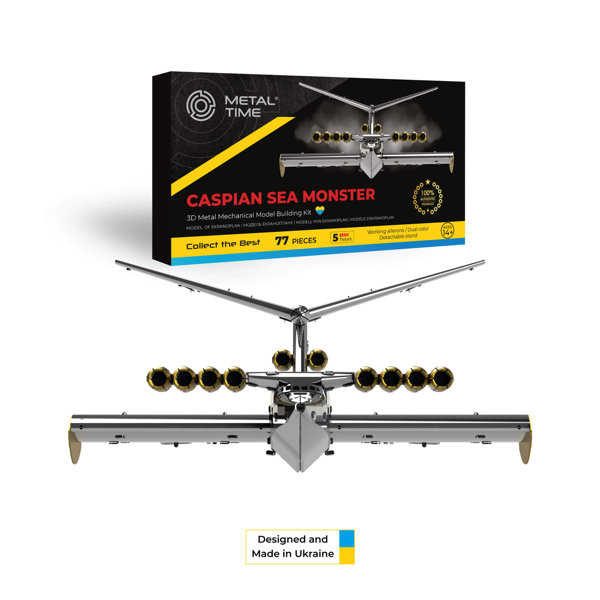
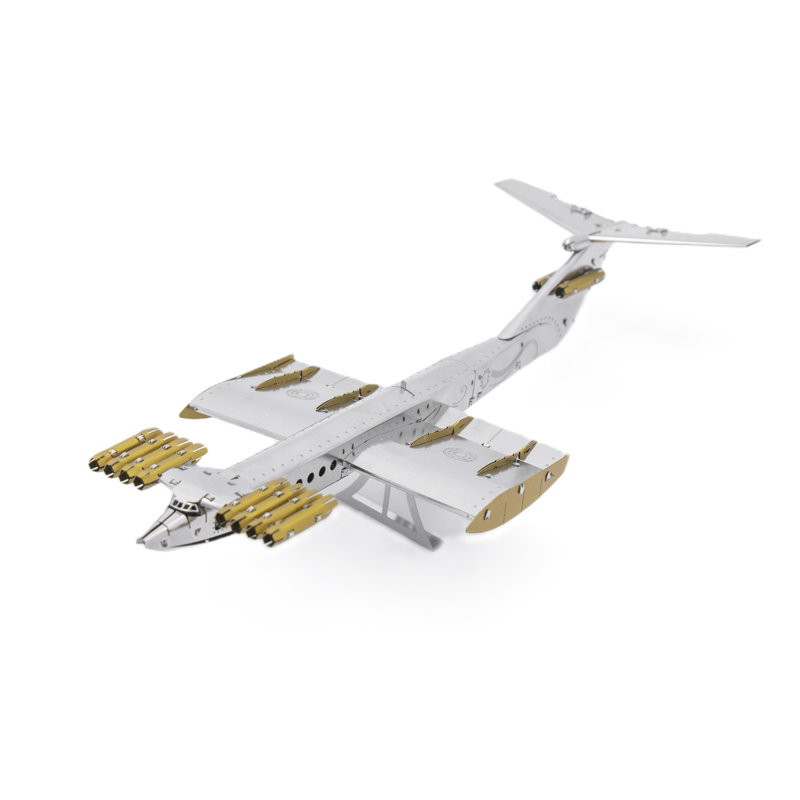
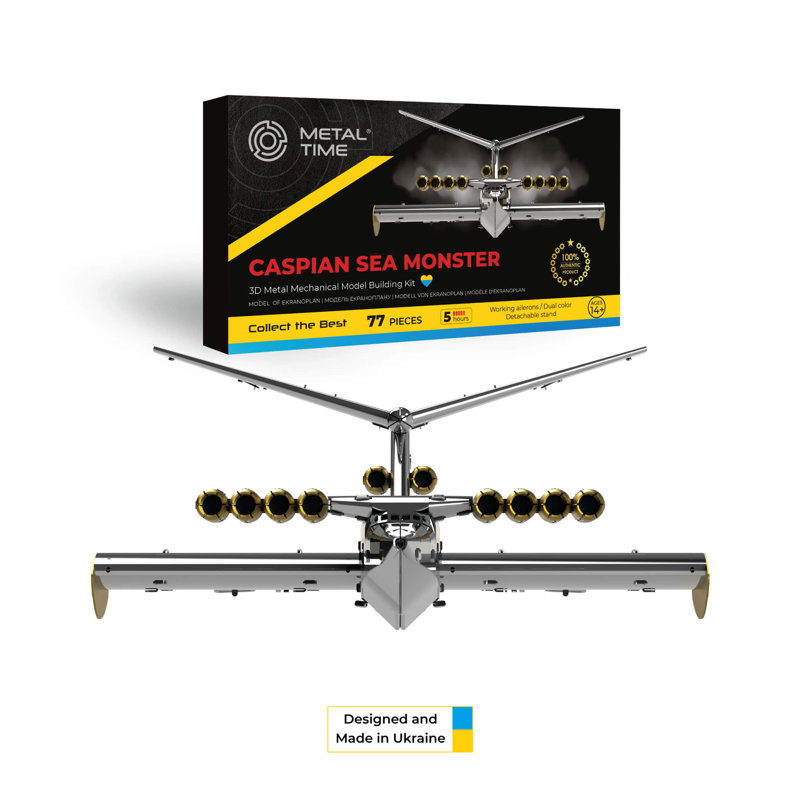
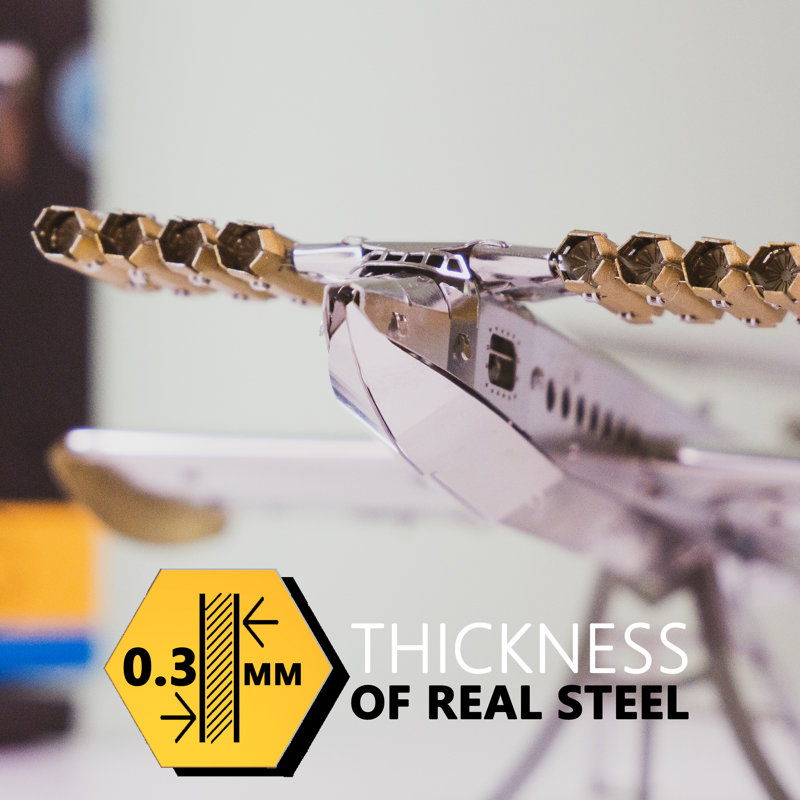
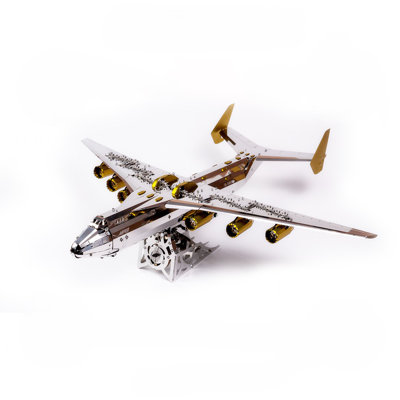
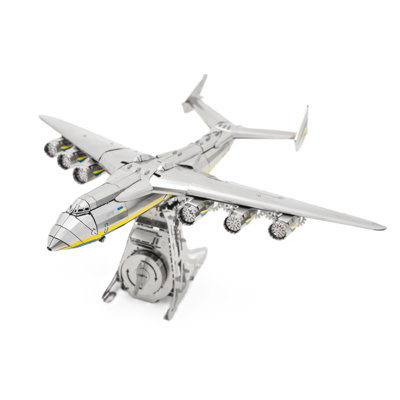
The engineers at "Metal Time" didn't overlook this remarkable object and created a model based on the core concept of the "KM" project. This aircraft had ten jet engines, short wings, and distinctive features in its tail section. It was designed for flights over water surfaces and could glide during takeoff and landing. All these features were incorporated into the self-assembly model of the "Caspian Sea Monster".


 18+, T&C apply, Credit subject to status.