Ask the Experts: What is a Dutch Oven?
Your best kitchen investment.
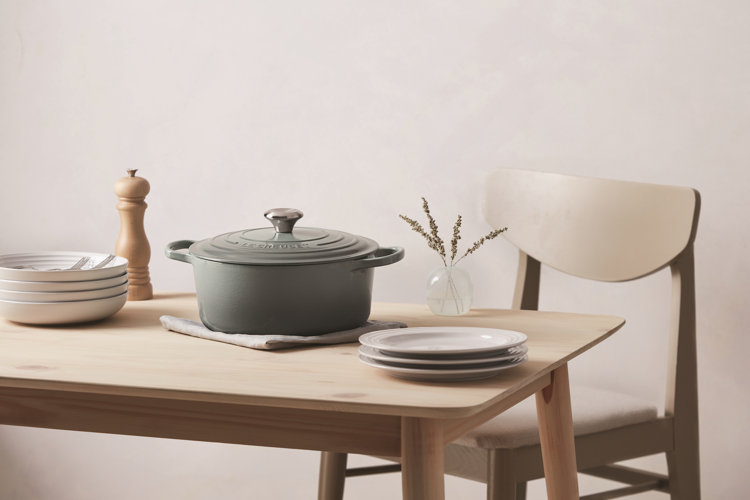
Otherwise known as the humble casserole dish, Dutch ovens are perfect for long braises and stews thanks to their thick construction and ability to heat food evenly and lock in flavour. We’ll walk you through how to use a Dutch oven and what meals are best prepared in one.
Overview:
What is a Dutch Oven?
Dutch Oven Materials
How to Use a Dutch Oven
How to Care for a Dutch Oven
What is a Dutch Oven?
A Dutch oven is a large, heavy and usually cylindrical piece of cookware. Due to its incredible heat-retention capabilities, it can serve almost any stovetop or oven cooking function – from simmering soup to baking bread.
A Dutch oven can usually hold 4–8 qt., which is great for serving family-sized portions. They come with thick walls and two sturdy, outward-facing handles as well as a tightly fitting lid that has a knob-like handle. The thick walls enable Dutch ovens to heat food at a consistent temperature from all angles throughout cooking. Their snug lids prevent moisture from escaping, which is essential when braising or stewing.
Dutch Oven Materials
Dutch ovens are usually made of durable cast iron, though they can also be made of ceramic, aluminum, stainless steel and even terracotta. Cast iron is the ideal material for temperature regulation, whereas aluminum and stainless steel heat up more quickly and intensely. If you’re worried about wrist strain, stainless steel and aluminum Dutch ovens are easier to handle. If you’re deciding between aluminum, stainless steel and cast iron, we recommend choosing cast iron for the best results.
Some cast-iron Dutch ovens are either enamelled, covered by a layer of baked-on, non stick glaze or come completely bare. Bare Dutch ovens need to be seasoned thoroughly with a non stick substance before they're ready for cooking. Due to their reactivity with acidic ingredients, bare Dutch ovens also tend to require more maintenance and care than their enamelled counterparts.
While enamelled pots are convenient, prices can be steep. Enamelled cast-iron Dutch ovens can range anywhere from around £50 to over £500, while bare pots tend to cost between £20 and £70. If the price is a deciding factor for you, keep in mind that a good cast-iron Dutch oven is virtually indestructible, so you'll only need to buy one and it’ll last you a lifetime.
How to Use a Dutch Oven
The Dutch oven is the king of multipurpose use. A huge benefit of cooking with a Dutch oven is that the whole pot can go directly from the stovetop to the oven.
On the Stovetop
Stewing, Braising, and Simmering: Soups, stews and braises call for long cooking times and low temperatures so all the flavours can meld together as the meat and vegetables get tender and moist. The Dutch oven's heavy lid is essential for keeping moisture from evaporating out of such flavourful dishes. Because of its ability to maintain low temperatures over long periods of time, a Dutch oven should be your go-to when it comes to stewing, braising and simmering.
Searing: A Dutch oven's cast-iron material is perfect for searing. You can get it smoking hot on the stovetop and brown your meat directly in it before braising it at a low temperature.
Boiling: Because of its size, a Dutch oven can also function just like your typical large cooking pot. You can use it to boil pasta, make rice and even poach chicken.
Frying: Fry oil also must be heated to a very high temperature, and because of their durability under high heat, Dutch ovens are optimal fryers. Dutch ovens can also heat oil evenly, allowing you to easily control the temperature while cooking. However, not all Dutch ovens can be safely used at frying temperatures, so be sure to check with the manufacturer first.
Reducing: Because of its size and radiant heating capabilities, an uncovered Dutch oven allows for the even, rapid evaporation of liquids and thus are ideal for making sauces and concentrates.
In the Oven
Roasting: As with stovetop braising and stewing, good moisture levels are essential to having a tender oven roast. The Dutch oven’s winning combination of even, consistent heat capabilities and a heavy, snug lid enable it to produce perfectly juicy oven-roasted meats and vegetables.
Baking: Dutch ovens have also long been used to bake bread and other oven-baked goods. Their radiant heat acts similarly to the stone hearth of a bread or pizza oven. When baking breads, the lid holds in moisture and steam, which creates a desirably crispy crust. When cooking foods like casseroles, a Dutch oven’s ability to heat meat and aromatics on a stovetop before being transferred to an oven to bake is key.
How to Care for a Dutch Oven
Even though an enamelled cast-iron Dutch oven is durable enough to last you a lifetime, it will still require some upkeep. Enamel can chip, especially around the rim, so try not to let the lid drop too heavily onto the pot.
When cooking with a seasoned cast-iron Dutch oven, beware of using highly acidic ingredients like citrus, tomatoes and wine. Though well-seasoned pots should be able to withstand the acid, a weak or damaged seasoning might not, and your food could end up tasting like metal.
Also be careful when using metal utensils with enameled and seasoned Dutch ovens. It's unlikely, but if you scrape the enamel or seasoning too roughly with a metal utensil it may get scratched, and your Dutch oven might be rendered less acid resistant and nonstick. We recommend using silicone utensils.
