Ask the Experts: What is a Skillet?
Add this to your kitchen arsenal.
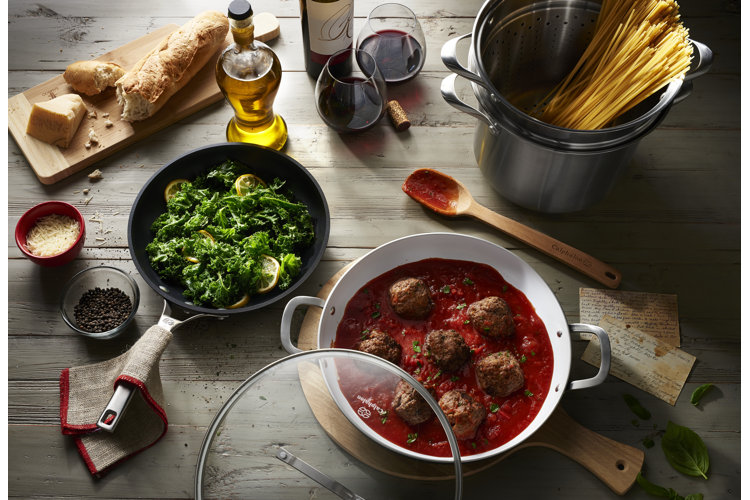
Ever wondered exactly what a skillet is? You're not alone. But rest assured, our experts are here to answer all your burning skillet questions, so that by the end of this guide you'll wonder how you ever lived without one.
What Is a Skillet?
A skillet is an incredibly versatile instrument for cooking; it's ideal for stir-fries, omelettes, crepes and much more. You can even cook an entire dinner in just one of these pans! The word 'skillet' encompasses a variety of kitchen pans with flat bottoms and slanted sides. They're very similar to frying pans, and the words are sometimes used interchangeably, creating a blurry line between the two.
Usually frying pans tend to be shallow, whereas a skillet is more likely to be a little deeper and may have a lid. There are many variations on the traditional skillet, and each kind excels in different areas of cooking. While every skillet can be used to cook a wide range of food items, certain materials and sizes are better for a variety of cooking functions. Keep reading to learn which skillet is best for you.
Skillet Materials
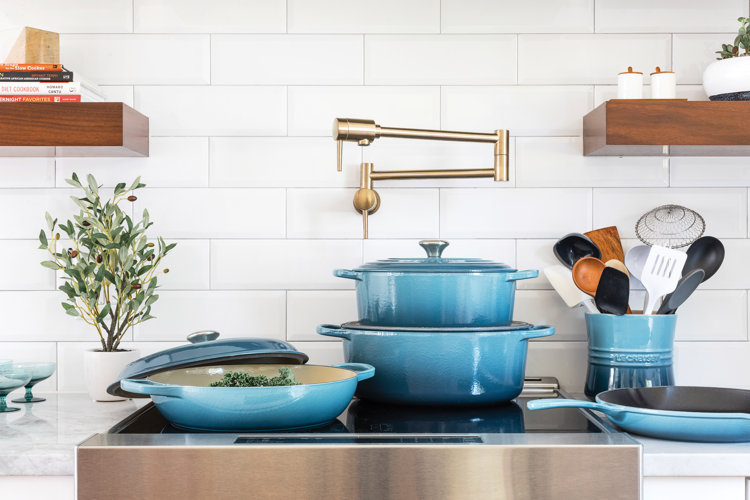
Copper Skillets: Copper skillets are high-caliber, classic cooking instruments. They respond extremely quickly to temperature changes, making it easy to control heat precisely. This precise control makes the skillets perfect for quick sears, sauteing, frying, browning and simmering. They should be gently hand-washed to prevent tarnishing. Copper skillets can be pricey but are widely regarded as a sound investment and endorsed by professional chefs. Copper skillets are also a beautiful addition to your kitchen with their warm, shiny appearance.
Non Stick Skillets: A non stick skillet is best for working with food that is delicate or might stick to the pan, such as eggs. The skillet is coated in a nonstick material that allows food to slip easily off the pan for effortless cleaning. The slick surface also lessens the need for cooking oil to keep food from sticking, making the pan an option for healthier cooking. Non stick skillets are also acid-resistant, which is perfect for ingredients like fruit or wine.
Ceramic Skillets: Ceramic skillets are constructed with a non stick ceramic coating. This coating allows you to lessen your use of cooking oils or sprays, resulting in healthier meals. This coating is thought to be more environmentally friendly than other kinds of non stick coating. This pan works best at low to medium heat and is known for its often colorful ceramic finishes. This pan should not be used with metal utensils that can scratch its coating and should be hand-washed with a sponge to extend its shorter lifespan.
Cast Iron Skillet: A cast-iron skillet is one of the oldest and most reliable pieces of kitchen technology. The sturdy iron bottom heats up slowly and can hold very high temperatures, making it perfect for roasting, frying, searing and baking. Not only do cast iron skillets encompass a wide range of cooking functions, but they also last forever. The skillet will not bend or lose functionality over time. However, you must play an active role in its maintenance, which includes periodically seasoning the metal and hand-washing the pan. These efforts will pay off as your cast-iron skillet remains a staple of your kitchen for a long time.
To learn more, check out our How to Clean a Cast Iron Pan Guide.
Aluminium Skillets: Aluminium skillets heat up very quickly and cook food evenly. They are lightweight, affordable and easy to clean. Many non stick pans are made of aluminium. Note that aluminium is reactive to acid, so these skillets should not be used to cook acidic foods such as tomatoes and wine.
Anodized Aluminium: Anodized aluminium is aluminium that has been treated to be more durable and less reactive. It's less likely to lose shape than plain aluminium pans and reduces aluminium in food. This material is usually sealed with a smooth surface that mixes well with colour, meaning many anodized aluminium pans are very colourful.
Hard Anodized Aluminium: Hard anodized aluminium is a particularly strong form of anodized aluminium that can tolerate higher temperatures and keeps its non stick surface for longer. Unlike plain aluminium and anodized aluminium, it is not coated in another non stick surface – its surface is naturally non stick and will last longer. It's resistant to scratches, meaning metal utensils can easily be used with this material.
Carbon Steel Skillets: Carbon steel skillets are naturally non stick, durable, and long-lasting. They're made with a high amount of iron much like a cast iron skillet but heat up and cool down much more quickly. They can handle higher heat than most non stick skillets. While carbon steel is a high-end material, these skillets are much more affordable than those made of copper. Note that these skillets are not acid-resistant and should not be used with ingredients such as tomatoes and wine. These skillets should also be hand-washed.
Tip: If you have an induction stovetop, choose an induction compatible skillet.
Skillet Sizes & Uses
Mini (15cm and Under)
These diminutive pans are best used for smaller food items, ensuring a quick and even heating all around. These are perfect for small personal meals or for a fun twist on a traditional serving platter. Meals served in mini cast iron skillets can be a particularly fun serving statement.
Small (16 – 20cm)
A small skillet is helpful when cooking for two. While its surface space is on the smaller side, the generally taller walls of the skillet will help make sure there is no overflow. Get ready for the perfect dinner for two!
Medium (21 – 25cm)
Medium-sized skillets tend to work for meals involving a lot of ingredients in the pan, such as a stir-fry. This skillet can accommodate a larger number of eaters and is suitable when cooking for a family of four to five.
Large (26 – 30cm)
Large skillets are perfect for cooking large cuts of meat or large amounts of pasta or rice. This skillet size is best for larger families or ingredients that require a lot of space.
Extra-Large (Over 31cm)
This skillet has room to spare! It is perfect to use on the grill to give meat and vegetables a smoky flavour and is sure to feed your entire party. It's also a great, rustic way to serve appetizers at a party on its large surface.
Skillet Features
Dishwasher-Safe: A lot of people don’t have the time to hand-wash their dishes. If you can’t see yourself scrubbing your skillet every night, you can opt for a dishwasher-safe model. You can find plenty of aluminum, nonstick and ceramic skillets in this section.
Cool-Touch Handles: Ever absentmindedly grab a pan handle – only to find that it’s burning hot? Us too. Ensure that you’ll never grab a hot handle again by shopping for cool-touch handles. These handles often have a layer of rubber or another material over the metal handle that prevents heat from travelling to your hand.
PTFE-Free: PTFE is a material used in most non stick coatings. PTFE can release fumes when it is heated to over 260°C, and these fumes can cause nausea and flu-like symptoms after prolonged exposure. While the average at-home cook is unlikely to experience these conditions, some people prefer to play it safe and opt for PTFE-free skillets.
Tip: Learn more about kitchen cookware with:
- What's the Difference Between a Food Processor & a Blender?
- The Best Dutch Ovens for Bread Making & More
- Types of Pans & Pots for Every Purpose
