Juicer vs. Blender: Just What is the Difference?
Squeeze, squash, blend.
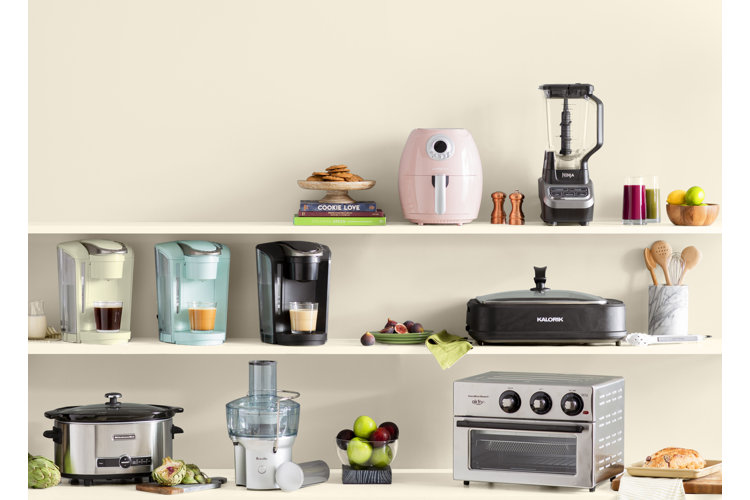
This guide will go over what a blender is and its features, and what a juicer is and its features. This is the only guide you’ll need to learn about juicers vs. blenders and decide which is better for your household and needs.
What Is a Juicer?
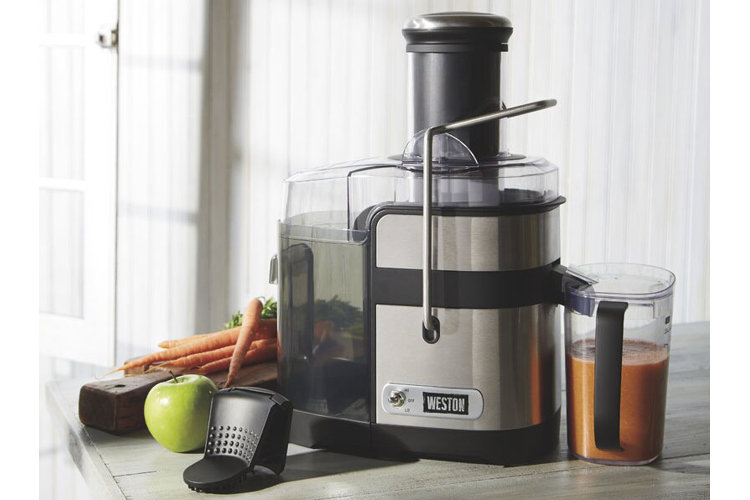
A juicer uses spinning metal blades to grind foods to a pulp and then uses a mechanical press to squeeze out natural juices. Liquid-rich foods such as watermelon and cucumbers can be used in a juicer, but less watery foods like carrots and mint can be juiced as well. For more information on juicers, check out our guide: Choosing the Best Juicer for Your Morning Routine.
Benefits of Using a Juicer
No Pulp: Juicers are great if you don’t like having any bits of food or pulp left over – a result you can’t always get with a blender. This makes them great for not only juices, but also broths.
Separates: When deciding between a juicer vs. blender, take into consideration that juicers do a great job of separating solids from liquids. This way, you can save your food pulp for different recipes or even for composting.
Heat-Free: Unlike most blenders, some juicers offer a heat-free feature that juices food slower in order to use less of the motor. This is an amazing feature if you like cold juice, as it won’t be warmed by the motor.
Self-Cleaning: Juicers with a self-cleaning feature offer ease and peace of mind if you don’t want to manually clean it or if you simply want to be sure it is thoroughly clean.
A blender uses spinning blades and different spin settings to mix, chop, and puree food. Some benders come with different features that allow you to blend finely in order to make smoothies, crush ice in order to make frozen drinks, or even go cordless for blending on the go.
Benefits of Using a Blender
In addition to many custom blending settings, like crushing ice and mixing or pureeing food, blenders have several other features you won’t get from a juicer.
Pulp: Unlike juicers, blenders don't separate your foods. This means that your food will be nutrient rich as no scrap is left behind.
Thicker Consistency: Because blenders don’t have a squeezing function like juicers, your blend will have a thicker consistency. Thicker consistencies are necessary if you enjoy foods and drinks like stews, frozen drinks, or smoothies.
Pulse Function: Blenders with a pulse function offer customized blending. The pulse function allows you to control how much you want to blend something. This is a great feature if you need it to chop or mix food – a function that is unique to blenders in the juicer vs. blender debate
Peanut Butter Maker: If you’re a fan of peanut butter, opt for a blender with a peanut butter making feature. Blending your own peanut butter is a great way to customize how chunky or smooth you like it. You can also add extras like chocolate.
Soy Milk Maker: If you love soy milk or are interested in exploring non-dairy milk options, opt for a blender with a soy milk maker feature. Blending your own is a great way to understand exactly how it’s made and customize how you like it. You can adjust the sweetness to your liking or you can create new milk flavors like chocolate or strawberry.
Tip: Explore more tips and tricks when it comes to kitchen appliances with:
- What's the Difference Between a Food Processor & a Blender?
- How to Make a Milkshake With a Blender in 4 Easy Steps
- How to Choose the Best Food Processor
