Which Christmas Lights Will You Decorate With This Year?
Your a-z of festive lighting.
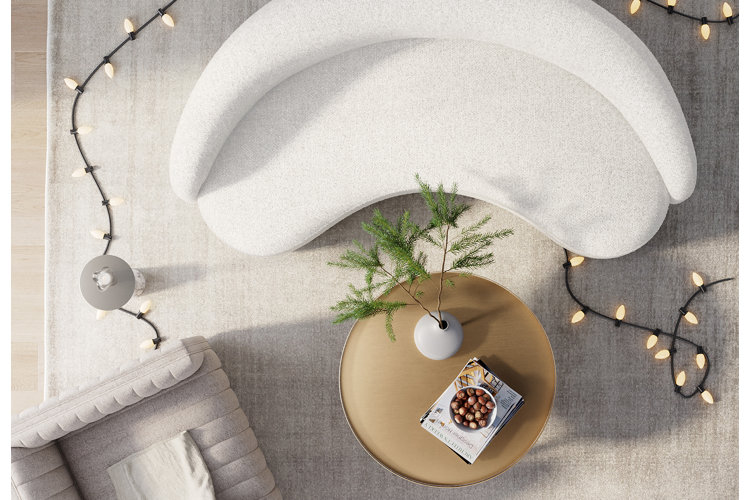
No Christmas decorations are complete without without some strategically placed Christmas lights. Christmas lights are available in a wide variety of styles with features that impact their energy efficiency, convenience and maintenance. Learn about all the different types of Christmas lights and types of Christmas light bulbs so you can brighten your home with the lights that best suit you.
Popular Types of Christmas Lights
Fairy Lights (String Lights)
Made up of many small bulbs attached to sockets that are spaced out along long, plastic-coated wires, festive fairy lights are optimal for flexibly lighting large areas. They can often be plugged into each other end-to-end and are available in a wide variety of colours. Learn how to hang, fix and store string Christmas lights with the help of An Expert's Guide to Hanging Outdoor & Indoor Christmas Lights.
Icicle Lights
Similar to string lights, icicle lights have small, lighted extensions that are meant to imitate icicles when hung.
Net Lights
Net lights make illuminating trees and shrubs easy; they are nets with bulbs at every wire intersection and can be gently laid atop surfaces with little effort.
Rope Lights
These flexible strips of LEDs encased in clear sheaths are a modern take on the classic Christmas string lights.
Lighted Window Decor
Light up your home's windows using electric candles or opt for more complex lighted window structures in Christmas shapes.
Pre-lit Christmas Trees and Branches
Save yourself the hassle of lighting greenery yourself and consider decorating your home with elegant pre-lit trees and branches.
Lanterns
Add a little vintage charm to your holiday decor by lighting your home with glowy, holiday-themed lanterns.
Light Bulbs for Christmas Lights
LED Light bulbs
LED Christmas lights rely on light-emitting diodes to produce light rather than filaments. Because they don't produce heat, they are much safer, more durable and more energy-efficient than incandescent lights. At face value, LED lights tend to be pricier than incandescent lights, but they can last up to 25 times longer, so the investment pays off.
Incandescent Light Bulbs
Incandescent lights rely on heated filaments to produce light, which requires a decent amount of energy. These lights have a warmer appearance that some LEDs can lack. Though most bulb and fuse issues can be repaired fairly easily, incandescent Christmas lights tend to last between two and six years in total.
Christmas Light Power Sources
Electric
Electric Christmas lights draw power from your home to produce light. If you plan to use electric lights outside, make sure you are within range of an outlet or have extension cords.
Tip: If you want to decorate outside, make sure your Christmas lights are approved for outdoor use.
Battery Powered
If you don't want to run up your electric bill during the holiday season, you can opt for battery-powered Christmas lights. These lights offer you more freedom of placement and require less wiring, resulting in a cleaner final appearance. The batteries will be an additional purchase.
Solar Powered
Connected to solar panels that can be staked into the ground, solar powered Christmas lights are eco-friendly and use sensors to automatically turn on when the sun goes down. They can be more expensive than other options, but will save on electricity costs in the long run.
Tip: Go all out this Christmas and discover a whole host of festive tips and tricks with:
- How to Decorate for Christmas
- How to Put Lights on a Christmas Tree Like a Pro
- DIY Christmas Table Decorations to Keep You Merry and Bright.
