How to Choose the Perfect Flooring for Your Kitchen
To tile or not to tile?
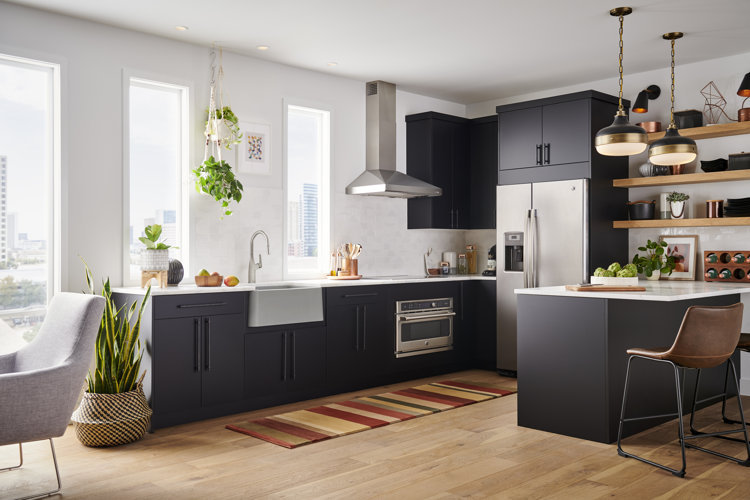
The kitchen is one of the busiest rooms in a household, making the flooring a point of call for high use. The best kitchen floor material needs to be durable enough to withstand high traffic and daily wear-and-tear, like splashes, spills and dirt.
Whether you're planning an entire remodel or a small update, you need to consider what flooring is best for kitchens so you can ensure your choice is not only practical and long-lasting, but also matches your budget and aesthetic.
Types of Kitchen Flooring
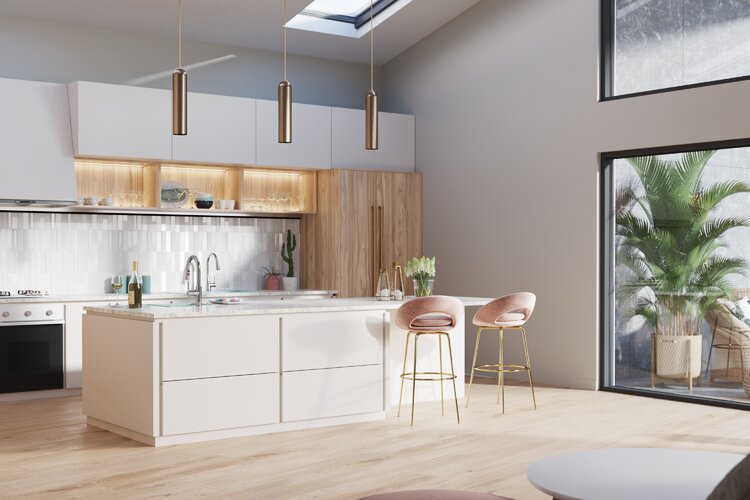
Your kitchen floor works hard, especially if you cook frequently. It’s vital to choose a durable kitchen flooring option that can withstand moisture and spills and can easily be cleaned. With options like linoleum, wood and tile, it can be tough to know which will work best for you. When you consider what flooring is best for kitchens, you also need to keep in mind other factors including your budget, your kitchen's size and aesthetic. Use this guide to find the best durable kitchen flooring for your home.
Overview:
Tile Flooring
Laminate Flooring
Vinyl Flooring
Hardwood Flooring
Tile Flooring
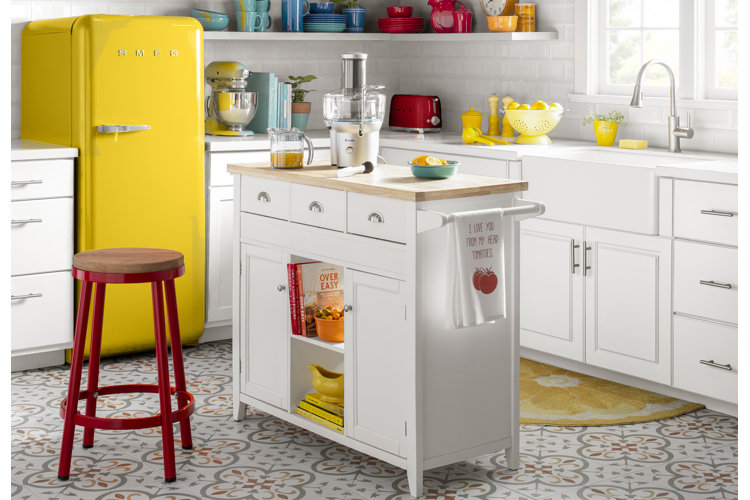
When considering what flooring is best for kitchens, tiles are a classic go-to. Once they're installed, grouted and sealed properly, tiles can last a lifetime. They're one of the most popular and best kitchen flooring materials, not only because they are easy to sweep and mop, but also because they come in an extensive variety of colours, styles and materials – all ranging in price and durability. Tiles can also be laid out in many different patterns and designs, allowing you to experiment with endless kitchen flooring ideas to match your decor.
Whether you choose ceramic, porcelain or stone tile, it's vital that they're installed professionally and that the grout is resealed every few years so they remain a durable kitchen flooring choice.
There are two main types of floor tiles that would work best in kitchens: porcelain and ceramic. Learn more about their benefits and qualities below.
Porcelain: Due to their manufacturing process, porcelain tiles are denser than ceramic tiles, making them less subject to wear-and-tear. Porcelain tiles are one of the most popular kitchen flooring materials because they cost less than their ceramic counterparts. Porcelain tiles are highly water-resistant, so they’re easy to clean and virtually impervious to water damage. However, the grout between porcelain tiles is prone to stains, requiring any spills to be cleaned up immediately.
If you're looking for a range of kitchen flooring ideas, porcelain tiles come in a variety of options that are made to look like natural stone and real wood, but with a far more budget-friendly price tag.
Ceramic: Ceramic tiles are softer and less dense than porcelain tiles, making them a slightly less durable product with a lower cost. They are available in a massive range of patterns, colors, styles, and even shapes. Ceramic tiles do require more frequent cleaning; any spills must be wiped away immediately.
Though their cheaper price-point makes them another one of the most popular kitchen flooring choices, ceramic tiles are more porous with higher liquid absorption rates, making unfinished tiles unsuitable for wet areas such as the kitchen.
When considering what flooring is best for kitchens, natural stone is an extremely popular and durable option. Though it does come with a higher price tag than most other flooring materials, this naturally occurring tile is luxurious and often a draw for potential home buyers. Natural stone tiles have their own inherent characteristics of colour and veining, making them the best kitchen flooring material if you are searching for a one-of-a-kind look.
Natural stone is hygienic and easy to clean, though it does require more care than ceramic or porcelain flooring. It is also heavy and is best installed by a professional. Stone tiles do vary in degrees of porousness, making them susceptible to water and liquid stain penetration. The annual application of a stone sealer can help to prevent this.
There are a few types of natural stone options that would work best in kitchens: granite, marble, slate and travertine. Find the right one for you below.
Granite: Granite tile is made by processing volcanic rock into an attractive and durable kitchen flooring stone that is used for tiles and as slabs for countertops. Granite tile is known for its strength and durability, meaning it will withstand heavy foot traffic and daily use. It's almost completely watertight, especially when sealed and maintained – making it a both stylish and long-term kitchen flooring choice. Granite does have a higher price tag and should be installed by a professional.
Marble: Marble is another naturally occurring stone that is mined from mountainous regions around the world, and has been used in buildings for hundreds of years thanks to its beauty and elegance. Marble tiles contain veins that provide a unique aesthetic that man-made products cannot achieve, allowing for many creative and unique kitchen flooring ideas.
It's important to know that when polished, marble is slippery and can be scratched and stained easily, so pairing it with a runner or rug is a good way to prevent slipping. Marble is luxurious and the cost may not be suitable for those on a tight budget.
Slate: Slate is a sophisticated stone that can last for decades if it's maintained correctly. It's derived from fine-grain sediments and is an extremely affordable option, making it one of the most popular kitchen flooring materials. Slate is a durable kitchen flooring option because it is resistant to cracks, chips, scratches and even breakages. Slate tiles give a natural designer aesthetic if you are looking for modern kitchen flooring ideas. They do need to be sealed regularly to prevent stains.
Travertine: Travertine is an attractive form of limestone that comes in a large variety of earthy tones, hues and finishes. Though it may be more costly and less durable due to its porousness, travertine is non-slip, easy to cut and shape and therefore easy to replace if need be. Travertine needs to be sealed regularly, but this beautiful stone can last a long time in your home with the proper care.
Tip: Though it may be tempting to opt for a natural stone with a lower price point, many of these tiles can be poorly made and can flake and chip easily. It's always better to opt for good quality natural stone tiling with a higher price point that will last a long time.
Engineered Tiles
Cement: If you're looking for more contemporary kitchen flooring ideas, cement tiles are a good option. Available in a range of colours and finishes, this hard-wearing floor material is ideal for kitchens with heavy foot traffic. Cement tiles are durable, easy to clean and even though polished concrete has a sheen, it's a non-slip flooring that can be sealed to be almost entirely waterproof. Cement tiles can be designed to look like wood, stone and regular tiles, so you can achieve an expensive look at a budget-friendly price.
Engineered Stone: Engineered stone is also known as aggregate tile. It is made from a variety of marble and other rock pieces that are set into an epoxy base. Since they are man-made rather than mined or hewn from rock, engineered stone tiles are available in a broad range of colours and designs, and can be made into much larger sized tiles than tiles made from other materials. These tiles are budget-friendly, long-lasting and their stain and soil-repellent surface is easy to clean, making them one of the most popular kitchen flooring materials for small remodels.
Laminate is a water-resistant and occasionally waterproof material, making it a great choice for kitchen flooring. It's easy to clean and maintain. This type of flooring uses an image and embossing so it is available in a wide variety of colours, styles and patterns. Laminate is extremely easy to install without a professional, as most boards simply need to be 'clicked' in place. You can also choose glue down or floating installation options.
Laminate kitchen flooring has a lifespan of about ten years – something to bear in mind when considering your installation method. At the same time, this also means you can refresh your kitchen look easily.
Tip: To read more about laminate flooring, check out our guide: How to Choose the Best Laminate Flooring.
Vinyl Flooring
Vinyl kitchen flooring is made from 100% plastic, making it very affordable and easy to install. It's construction also allows for endless color and design options that will fit any style kitchen. Though it does not add much resale value to a home, it's waterproofing capabilities allows it to last up to 20 years – twice that of laminate flooring. Vinyl is a durable flooring, especially if it is glued down, but sharp objects may dent or cut it so we recommend placing floor mats or rugs in areas where you tend to chop or use sharp utensils. Though vinyl kitchen flooring isn't as durable as tile, it's easy to maintain with regular sweeping and mopping.
Hardwood flooring is available in both solid hardwood and engineered hardwood. Keep reading to learn more about their benefits.
Solid Hardwood
Hardwood flooring is a well-known staple in many kitchens thanks to its warm and comfortable feeling. It's made of solid wood throughout its structure. This luxurious material is beautiful, easy to clean, and can last for decades if properly taken care of, making it one of the best kitchen flooring options. Hardwood is durable, but it’s also prone to wear and scratching. Be aware that spills should be cleaned immediately to avoid damaging the wood, as it can be prone to buckling and warping when exposed to moisture.Though it may be costly to install, hardwood is the best wood flooring for kitchens because it can be refinished every few years for an updated look. A new stain can give the illusion of an entirely different floor at a fraction of the cost.
Engineered Hardwood
When considering what flooring is best for kitchens, engineered hardwood is a more modern and affordable option than solid hardwood. The floor planks comprise a layered construction – most commonly a base of timber or plywood topped with a higher end hardwood flooring. Contrary to popular belief, this type of flooring is not always a low-budget product. Engineered hardwood often has a high-quality construction that can result in moisture tolerance.
This option can be installed faster than regular hardwood, while still offering the same upmarket aesthetic at a fraction of the cost. Engineered hardwood is extremely durable, easy to clean, and can withstand high amounts of traffic – making it one of the best kitchen flooring materials. Like natural hardwood, engineered hardwood can be resurfaced at least once and can last 30 – 50 years.
Cork: Cork kitchen flooring is a relatively new type of engineered hardwood made from ground-up bark from the cork oak tree, which is then processed into sheets and baked in a kiln to produce tiles. This environmentally and budget-friendly DIY option has an array of installation options including peel-and-stick, glue-down, and snap-together. Cork flooring is water- and moisture-resistant, slip-resistant and is easy to clean, making it a fantastic option for kitchen flooring.
Though cork kitchen flooring can last up to 25 years, it must be sealed every 3 – 4 years to ensure it is properly protected. Cork flooring has a soft and springy feel underfoot and is not cold to the touch, unlike most other flooring options.
Bamboo: Much like cork flooring, bamboo kitchen flooring is a DIY and environmentally friendly option produced from a highly renewable source. Though it is sometimes called 'engineered hardwood', bamboo kitchen flooring is actually made from highly processed grass that is sliced, shredded, and pressed together using heat and glue. Bamboo is as durable as natural hardwood and can often be refinished depending on the thickness of the planks.
Though it can add value to your home, bamboo kitchen flooring needs to be sealed properly because it can be scratched, discolored, and may even warp in fluctuating humidity. Bear in mind that bamboo is priced similarly to natural hardwood and does not fit all decor – making it more of an aesthetic than practical choice of flooring.
Tip: Find more ideas and inspiration for your home with:
- A Step-by-Step Guide on How to Tile a Bathroom Floor
- Brass, Bronze or Nickel: Which are the Best Kitchen Finishes?
- Your Go-To Guide to Internal Door Types
