Which Shed is Better? Wood, Metal, Vinyl or Plastic?
There's only one way to find out.
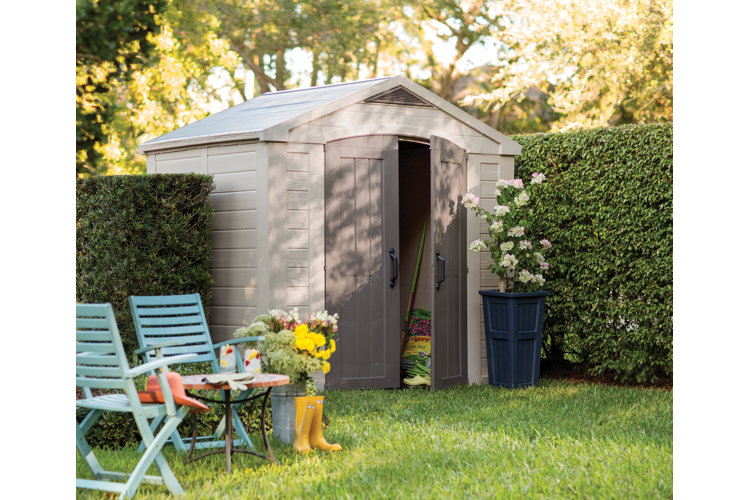
Thinking about buying a garden shed? If you need a place to store garden equipment, want to create a designated DIY space or home office or even just cosy hideaway to get away from it all - adding extra square metres through a shed allows for low-cost customisation, minimal planning and speedy results. But before you start shopping around, get to know the different shed materials with our handy guide.
Garden Sheds: Things to Consider
Garden sheds are multi-functional structures. Built from either metal, vinyl, plastic or wood, they're built to suit a variety of needs, with some materials allowing for easy add-ons in the future. Before going whole hog on a contractor or a pre-fab kit however, there are a few key choices you'll need to make, not the least of which will be the choice of building materials.
Tip: Check with your neighbours and local authorities to find out about any permits or existing covenants in your area. There may be regulations in place not only on the height or size of your proposed shed, but on the proposed location, intended function, materials and colours - they may also require prior approval. Don't forget to find out if you'll need a permit before you're too far into the planning process.
Popular Garden Shed Materials
Metal Sheds
Metal sheds made out of either aluminium or galvanised steel are usually coated in a baked-enamel finish. This coating helps to prevent scratches and rust and renders the shed rugged - weatherproof and durable (and it helps that they come in a variety of colours too).
Consider a Metal Shed if:
- You're storing valuables (some come with sliding doors and locking systems that prevent the roof or doors from being prised open).
- You know exactly what you want (metal sheds are designed to last. It's hard to add features like windows, for example, later on).
- You're far from being called a DIY novice (assembly can get a bit tricky).
- You don't mind a drop of rain (condensation can drip from the roof).
- You're budget conscious but don't want to compromise on sturdiness.
Tip: A metal shed in full sunlight can get quite toasty. Consider placing yours in partial shade - if you're thinking about putting your shed under a tree, evaluate the safety and stability of the branches overhead first.
Vinyl Sheds
A vinyl shed is a happy shed - think snug, solid construction, secure steel doors and rust resistance. Most are built with double-wall vinyl panels, which resist dents and rot (they don't peel either). Their durability may come at a price, but will likely pay for itself over time.
Consider a Vinyl Shed if:
- You live on a small, windswept island (vinyl sheds are ideal in harsher climates and can endure weather extremes).
- You value stability - vinyl panels are cut to exact standards, ensuring that they fit snugly together.
- You're a busy bee (they require virtually no maintenance).
- You own a house with vinyl siding and want your shed to look like an adorable, tiny clone.
Tip: When choosing a location for your shed, your best bet is the driest area of your garden. Avoid any spots that are prone to flooding.
Plastic Sheds
Plastic is affordable, cost-effective and easy to move around, making plastic sheds a convenient choice for renters or highly-mobile families. Keep in mind that plastic sheds are lighter than metal or wooden ones, so they'll need to be anchored down in order to have protection against high winds.
Consider a Plastic Shed if:
- You don't need too much room - they tend to run on the smaller side.
- You want an easy assembly and a project you can start and finish in a weekend.
- You like the playhouse aesthetic and don't mind a comparison or two to Fisher-Price.
- You need a temporary storage solution.
- Your biggest priority is your budget.
Tip: Incorporate some of the features of your house into the design of your shed for a well-integrated look, or add beds of annuals and perennials around the shed - they'll assist with drainage and the shed will blend in more harmoniously with the surrounding area.
Wooden Sheds
Wood has a number of great qualities. First, it's highly customisable - skylight anyone? A turret? Perhaps a 6x4 potting shed now and an addition of a summerhouse a few years down the line? Second, it's all within the realm of possibility when working with wood, plus it stays warm in cold weather if you're already two steps ahead and thinking about insulation.
Don't forget that there are wooden sheds for every budget (cedar is the most expensive) and tried-and-true methods for making wood pest and rot-resistant (cedar is also the most pest and rot-resistant). Wood - it's just...nice.
Wooden sheds should sit on timbre bearers - the elevation keeps damp and rot from getting in - and weather bars (strips of wood) over and under the door will help to keep rain out.
Here are a few other things to keep in mind when building a shed out of wood:
- The roof should overhang the sides by at least five centimetres and the front and back by at least seven and a half centimetres in order to keep out as much rain as possible.
- Your windows should have sloping sills with a drip groove, which helps water to drain and keeps your windows (one of the most vulnerable areas of a wooden shed) more likely to remain rot-free.
- Always build from the ground up. Start with your foundation before you consider your walls - and leave the roof for last.
Tip: Check to make sure that the timbres supporting the roof have no large knots, as they may fall out and affect the structural integrity of your shed.
Treat your wood (before you build, not after), either via dip treatment or pressure treatment, to give your shed a longer, more robust life. Dip treatment, as it is quicker and less costly, is more common than pressure treatment (or PT), but must be reapplied every year. PT wood (which turns a bit greenish after the treatment) is effectively protected against rot for up to fifteen years.
Consider a Wooden Shed if:
- You know the difference between a cabin and a chalet.
- You want to spend some time in your shed (we're thinking cosy outdoor dining area, craft room, or bunkie for the extended family).
- Your ideal garden shed has a window or a skylight - or both.
- You've always had a thing for the witch's house in Hansel and Gretel.
