How To: Grow Your Own Vegetables at Home
A guide to growing the best vegetables all year round.
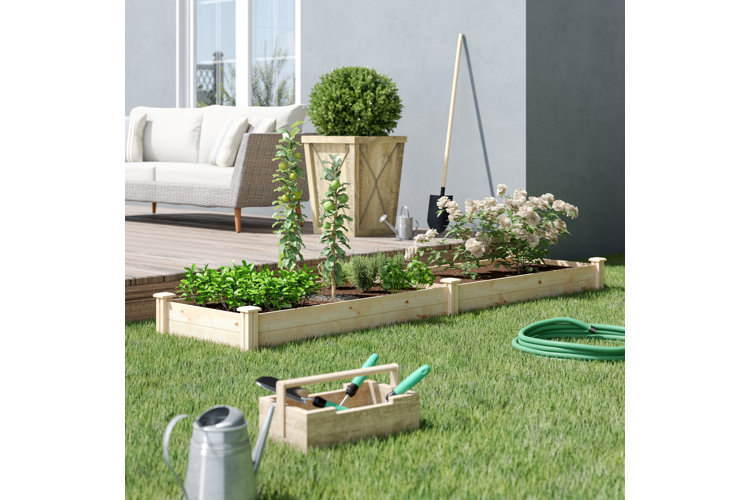
From produce that's packed full of vitamins and minerals to dramatically reducing our shopping bill, it's no wonder more and more of us are feeling the itch to start growing our own vegetables. But with many of us left wondering where to even start - our expert tips and advice on how to grow vegetables, will have you cultivating your own veggie patch and growing award-winning vegetables in no time.
Overview
- A Beginners Guide to Growing Vegetables
- What Type of Vegetables Should You Grow
- Growing Vegetables From a Balcony
- Raised Beds for Better Vegetable Growth
- Indoor Vegetable Garden Ideas
- Taking Care Not to Mix Your Plants
- Watering Your Vegetable Garden
A Beginners Guide to Growing Vegetables
It's easy as a gardening beginner to get carried away when planting your first vegetable patch. Just remember, when learning how to grow your own vegetables, the top three requirements to consider are:
- Plant in an area that gets a lot of sunlight. Most vegetables need a minimum of 6 hours of direct sunlight per day.
- Plant your seedlings in a stable environment. Avoid areas in your garden or outdoor space that is susceptible to flooding, strong winds or is exposed to a lot of human activity (walking, running).
- Plant your seeds in easy-to-drain, moist soil. If your soil fails to drain properly, you'll notice that small pools of water start to gather which could lead to vegetable rot and disease.
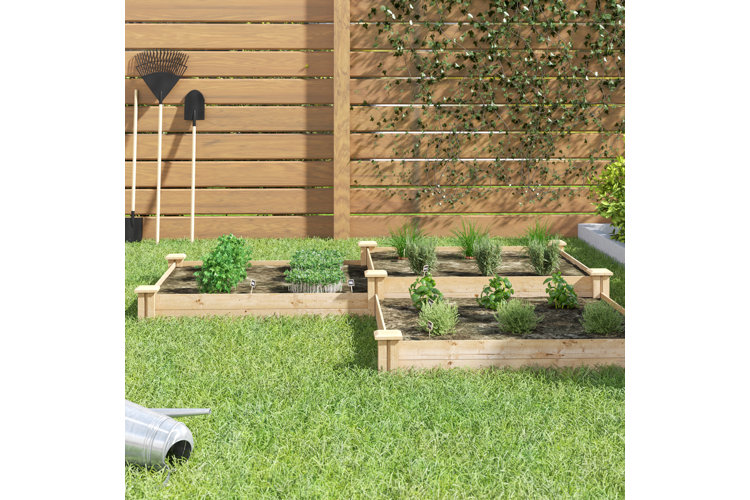
New gardeners should also try to keep things simple by planting a small garden. A small garden with well-grown veg will always triumph over a large garden with below-par produce, so try taking on a plot no bigger than 4ft x 4ft. If you're stuck working with limited space such as a balcony or shared garden, start by planting vegetables that will keep producing throughout the year like tomatoes, carrots or peppers.
What Type of Vegetables Should You Grow?
Nothing beats the taste of home-grown vegetables. So whilst it's easy to give into temptation and begin planting every vegetable known to man, we suggest making a list of exactly which type of veggie you want to grow based on your level of gardening expertise and of course, what you'd like to eat.
Each vegetable comes with its own unique growing requirements, from the amount of sunlight and temperature to volume of water and what plant pot and planters are best house them in. That's why for beginners, we recommend trying your hand at planting courgettes, beetroot, garlic, radishes, potatoes, tomatoes or peas as these are the easiest to maintain.
Peas are by far the most straightforward vegetable to grow. Simply plant your seeds, water often and watch as they start to pop right out of the ground! An ideal vegetable for planting early in Spring, remember that your peas will need to be harvested every day once they start producing. Radishes are just as enjoyable and easy to grow, and much like peas, sprout best when planted in early Spring. Known to take just 22 days to grow to full size, you could be slicing garden-fresh radishes into your salad in little more than just 3 weeks!
Tomatoes are a popular vegetable for all-level gardeners due to their ability to grow pretty much anywhere, from wall planters to hanging baskets and beyond. Nutrient rich and delicious, plant your tomato seeds in an area that has a lot of sunlight for juicy results.
Much like peas and radishes, courgettes are easily grown from seeds. Make sure the soil you plant your courgettes in always receives good moisture and is a little on the warmer side. For best results, opt for planting your courgette seeds in summer, when temperatures are at their warmest.
For more vegetable inspiration, head to our list of superfoods
Growing Vegetables From a Balcony
With many of us lacking access to a garden or adequate outdoor space, you'd be forgiven for thinking that growing your own vegetables and starting your own vegetable patch just wasn't possible. Think again! Balconies are just as good as gardens for planting produce as what they lack in width they make up for in height, so why not trying growing vertically?
The Only Way is Up
In reality, most balconies are small with not so much ground space, however they do come with walls, or partitions with neighbouring balconies or railings. Utilise these features by creating a vertical garden and you'll find that you've suddenly tripled your growing space. In general, herbs and vine vegetables such as celery, tomatoes and spring onions are ideal for vertical gardens as they take up the least amount of space and grow, of course, vertically. Our selection of wall planters and planter stands will help to lift your veggie growing skills off the ground.
Make sure to assess just how much sunlight your balcony is getting throughout the day and then choose your vegetable seeds accordingly.
Raised Beds for Better Vegetable Growth
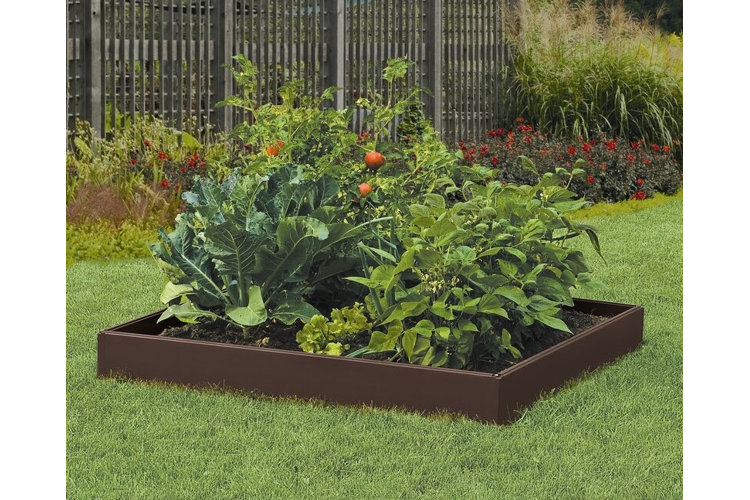
Raised beds or planter boxes provide excellent conditions for starting your own vegetable patch. If you're faced with areas in your garden that have difficult soil, using a raised bed will allow you to cater your soil to your vegetables' specific needs. These planter boxes also offer adequate drainage and air circulation, essentially breathing a breathe of fresh air into your seedlings.
Although raised beds are an ideal option for growing pretty much any veg, there are some vegetable types that benefit from this style of growing more than others. Lettuce, spinach and other leafy greens revel in the warmer soil conditions found in raised beds and benefit hugely from the swift drainage. Plant your seeds in Spring and you could be enjoying home-grown salads right the way through Summer.
A typical raised bed will not only help grow better veg but will also look uniformed in your garden. However, if you find that you suffer from back problems, a planter stand standing at a height of 3-4ft is a worthy investment to starting a vegetable patch. A taller planter is also perfect for a patio or balcony and comes equipped with a storage shelf for all your gardening tools.
Tip! To prevent 'waterlogging' or soil saturation, layer pottery shards about 3 - 4cm high from the bottom of your plant pot, add a piece of fleece and then fill with soil.
Indoor Vegetable Garden Ideas
Be one step ahead of the season by planting your vegetable seeds indoors. From small pots sitting on your windowsill to utilising your own greenhouse or growing rack, these indoor options are a good way to begin growing your own vegetables like carrots, kale and ginger regardless of the weather. Be aware that your veggies won't grow to an award-winning size from indoor growth but the flavour will still very much be there. For carrots, aim to keep them in a sunny area, keeping them adequately moist but never wet, the same applies to growing kale.
To start off your seeds indoors, plant them in clean containers with soilless peat moss and mix in perlite and vermiculite. This equal parts mixer will allow your plants to get the right amount of water and oxygen to start sprouting successfully.
Taking Care Not to Mix Your Plants
Ignore each of your vegetable's growing conditions for soil, water, sunlight and temperature and you could end up with a failed vegetable patch and a lot of wasted effort. Simply put, some plants don't do well when planted next to others. Asparagus aren't generous when it comes to sharing nutrients, so avoid planting veggies like garlic or fennel next to yours. Similarly, cauliflowers can't stand the company of broad beans or tomatoes as the chemicals released by both hinder the cauliflowers growth. Even cucumbers, one of the easiest vegetables to grow, prefer to be planted independent of any other vegetable.
A good trick is to label each individual plant in your garden, as it's important to keep track and remember the variety you planted. Coordinate your vegetable plants by using different colored labels with the names written on each. Regardless of your technique, make sure you place your labels in an easy to see location.
Tip! Make sure that your garden tags are weather-resistant.
Watering Your Vegetable Garden
It's no secret that a lot of vegetables come with a high water content. Cucumbers and lettuce alone contain around 96% of water, with cabbage and broccoli not far behind with 92%, therefore they require a lot of watering from both above and below from moisture the soil. In comparison, veggies like tomatoes and root vegetables draw a lot of their moisture from far deep within the ground thanks to their root system, in essence requiring less watering from above.
That said, make sure your vegetable patch is getting enough water by keeping track of how often it rains in your area - the average vegetables rely on an inch of water every week. Water your vegetables on drier weeks and add mulch in between crops, as this conserves water by reducing surface runoff and slows evaporation from the soil. Mulch is also great for helping to reduce weed growth. Watering in the early morning also gives plants the chance to start the day refreshed and dry off in the sun, whilst watering at night means your plants are more susceptible to disease from excess moisture. Try also watering by hand as a slower stream of water proves more beneficial at making sure each part of your vegetable patch is covered.
Tip! Collect your rainwater. It's a natural source of hydration and cleaner rainwater contains vital trace nutrients.
