How to Create an At-Home Yoga Sanctuary
Welcome hOMe.
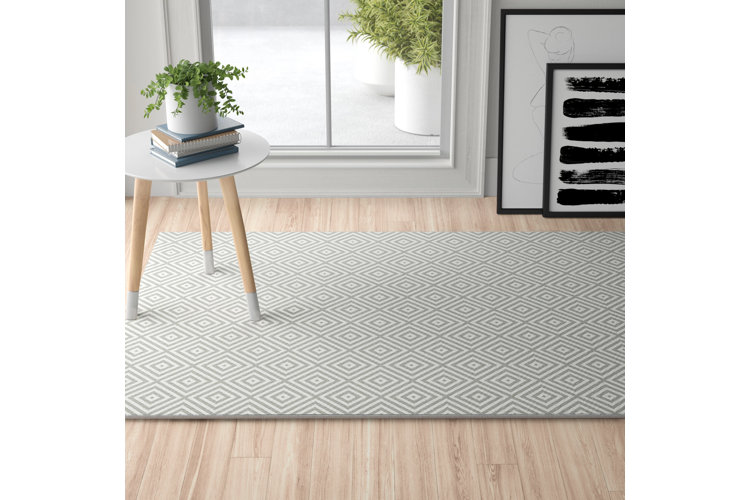
If you were a regular at the yoga studio pre-pandemic or you've just been looking for ways to unwind after WFH, then at-home yoga practice is a must. Relax, recharge and unwind by setting up a dedicated space at home for a session of slow Yin yoga or a powerful Vinyasa flow. The best part? You don't need a lot of floor space! Follow our guide to creating a personal yoga sanctuary, be it in your bedroom, living space, hallway or even storage room...
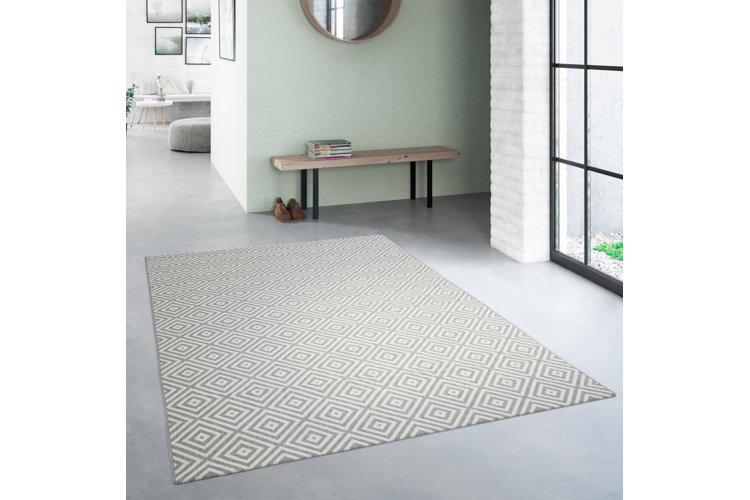
At a very basic level, you only need a slither of space to place your yoga mat, but making way for a more wholesome yoga sanctuary can be a great way to clear out an unused room. From finding the right spot to adding suitable lighting and equipment and accessories, read our tips to putting the Om into your home retreat.
Finding the Right Space
Your yoga space can be pretty much set up anywhere in your home, what really matters is that the space is calm, uncluttered and large enough to move around in. If privacy is hard to come by, a room divider or screen can be an easy solution. If you have a room like an attic or spare bedroom that's gradually turning into a storage room, then this is the perfect chance to cleanse and clear out.
Before finding your sweet spot, take a moment to visualise yourself practicing yoga there. An ideal space will intuitively feel like the right place to be, although there are other factors that can help to cultivate a productive environment. Take large windows, for example, they provide plenty of light, which in turn will keep you both energised and balanced.
Tip: If window space is lacking, consider bringing the outdoors in with houseplants and even a small water fountain.
Flooring
Most yoga studios use natural hardwood or cork flooring as this provides the most sturdy and smooth base to practice on. Laminate flooring also does the job, however it's often skipped over due to the synthetic nature of the material. Carpet floors are best avoided as they don't provide that same smooth, safe surface like hard flooring does. Ultimately, safety comes first and a good, solid, uncluttered floor will provide the perfect non-slip base for your yoga mat. This is really important when attempting challenging positions.
Materials
Natural materials strengthen that earthbound connection which can help to enhance your yoga practice. As you decorate your yoga sanctuary, keep an eye out for natural materials such as rattan, bamboo, cotton, wood and cork.
Choosing renewable resources will not only provide the ideal surroundings for your practice, but they are kind to the environment too. If you're painting the walls, opt for non-toxic paint, as this will reduce harmful toxins from the air, making your yoga area a cleaner, safer place.
Lighting
Natural light is perfect for yoga, but if you're working from a shadowed space or find yourself practicing in the evening, ambient (as opposed to fluorescent) lighting is also ideal.
You can either opt for one or two floor lamps or simply install a dimmer switch to the ceiling lamp to tone it down. Candles also set the tone for an ambient practice but require a little supervision. Using lanterns can help to reduce any fire risk, while LED candles can safely provide the same effect as a real flame.
Mirrors
During class your yoga teacher is on hand to assist in correcting your posture, while the large wall mirrors in most studios allow you to check your technique for yourself. When practicing at home it can be useful to have a mirror set up to keep an eye on your form. Any yogi will tell you that it's all too easy to forget to keep your head down, back straight or your bum up!
If your space is big enough, lean a large mirror against the wall at least one or two meters away from your mat. This will enable you to view yourself at a distance with a simple turn of the head.
Equipment
Very little is needed to practice yoga, in fact some may argue that all you really need is a floor. Traditionally yoga was practiced on either bare ground or on top of a rug made of natural woven materials or fur. These days, there are a number of aids that can be used to support your practice.
Start by laying the foundations with a yoga mat. Your mat will protect your joints from the hard ground and provide a safe surface to practice on. Depending on the type of yoga you practice, you may want to opt for a yoga rug instead. A relaxation rug or blanket is also particularly useful to stay warm during Shavasana at the end of your practice.
Tip: Sheepskin rugs are also a good alternative to pop on top of your mat when some extra warmth or padding is needed.
Yoga Equipment Checklist
- Yoga mat
- Yoga belt
- Yoga block(s)
- Water bottle
- Blanket
- Towel
- Bolster cushions (optional)
Yoga Rugs vs Yoga Mats
Yoga mats are the most common used piece of equipment in western yoga; they're durable, practical and come in a large range of colours, patterns and textures. Some designs also feature markings to help align and maintain a correct position. The soft, non-slip material provides a safe, cushioned base to practice on and the rubber-like surface can improve grip for the hands and feet. Original European yoga mats were made from PVC, however they're now widely available to buy in a number of eco-friendly materials such as sustainable rubber or jute.
Yoga rugs can offer many of the same benefits as a mat. They are generally made from woven cotton or wool, although often include a synthetic blend for added durability. Unlike the mat, a yoga rug is absorbent meaning that it will soak up moisture produced by sweating. This can reduce slipping, which is particularly useful for Bikram (hot) yoga. Rugs are also more flexible, and can be folded making them easier to transport or fold into shape for certain positions. Out of the two, yoga rugs are generally viewed as a more 'authentic' choice, however both mats are practical, safe and (depending on the manufacturer) eco-conscious choices.
Accessories
Generally speaking a clean, uncluttered room makes for the best practice. However, it's not uncommon to include a small shrine of meaningful mementos, a statue or other objects of personal significance. A gong is also a commonplace aid in many yoga studios, as the sound of the instrument echos the lyrical sound of 'om'. A small bookshelf can be beneficial for storing books, and a blanket box or trunk is a great solution for tidying away mats, blocks, blankets and any other equipment you find yourself using on a daily basis.
Staying Hydrated
The best way to stay hydrated as you practice is to drink plenty of water before you start. Having a water bottle nearby will allow also you to grab a quick sip between positions, and drinking tea after your session will both hydrate and ease you back into the day. Traditional 'yogi tea' is a homemade blend of spices including cloves, cardamom, ginger and black pepper, sweetened with milk and honey. However, there are a wide range of teas available to suit your mood and the time of day.
Feeling energised and fresh? Try mint, raspberry or lemongrass. Soothing ingredients such as lavender, chamomile and sage are perfect for a bedtime session. Regardless of your preferred drink, it's important to continue drinking even several hours after your practice, to allow your body to continue to replenish your system throughout the day.
Tip: For more ways to stay mindful, check out our 5 ways to turn your bedroom into a relaxing escape.
Good Yogi Reads
Check out our top picks for some more tips on happy, healthy, home yoga practice.
Professional teacher James has been practicing since 2000 and regularly posts about his experiences with honesty and humour. We particularly like his article 'A Few Thoughts on Yoga Mats' which offers sound, practical advice for anyone who's debating the pros and cons of investing in a new mat.
After several years of study, Emma undertook a two-year training course in Iyengar yoga and has now been practicing for over 25 years. On her blog, Emma writes about her daily experiences, travels and offers sound advice for beginner yogis, including this great piece on Establishing a Home Yoga Practice.
As a full time teacher, mother of two, blogger and yoga newbie, Jaime's busy schedule meant she'd often struggle to practice at home. After trying out most yoga apps on the market, she narrowed down two that are truly effective and beneficial for regular home practice. Read her detailed review of how they work and why in her post Yoga and Meditation at Home.
4) Yoga Hound
Yoga Hound covers yoga, health, happiness and greyhounds, and is written by Hanri, a photographer, designer and part-time yoga teacher. The blog was inspired by her greyhound dog Banjo, who features in many of her posts including this lovely DIY on How to Make a Yoga Eye Pillow.
From hair to make up, food to fragrances; lifestyle blogger and yoga lover Rachel covers a number of popular topics on her blog including her fantastic post on At-Home Yoga. Starting out with some of the less appealing reasons of inner-city yoga classes (stinky Bikram rooms anyone?) the guide continues with a practical equipment suggestions, online video recommendations and inspirational yoga tips.
Vinyasa flow teacher Jayne regularly posts useful advice on yoga, wellness and diet on her blog, including some excellent videos to follow at home. Check out her YouTube page for some great home-practice tutorials such as this practical 10 Minute Morning Yoga to Wake Up video.
7) Ashtanga Yoga Liverpool Blog
Seasoned expert Helen began her yoga journey in 1997 and has been teaching at her studio in Liverpool for over 14 years. On her blog she shares the occasional veggie recipe, practical yoga tips and everyday advice, including this handy post on How to Keep Your New Yoga Mat From Being Slippery.
