Ask the Experts: Best Thread Count for Bed Sheets
For the best night's sleep.

A common misconception when it comes to bedding is that sheets with high thread counts are superior to sheets with lower thread counts. Surprise! It's not that simple. There are many factors that contribute to soft, comfortable sheets. So don’t settle for subpar sheets, learn and understand everything – from material to ply to weave – that impacts quality and the best thread count for sheets in our guide below.
What Is Thread Count?
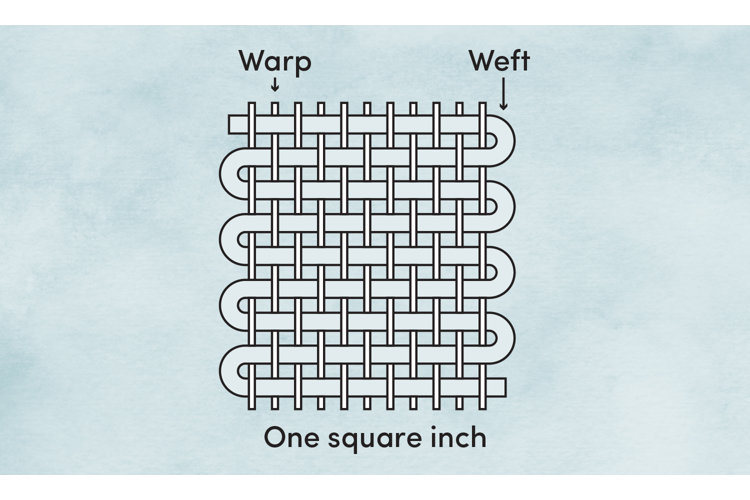
Thread count is the number of horizontal threads (weft) and vertical threads (warp) that are in a square inch of fabric. Generally, good sheets have a thread count between 200–800. However while thread count matters, look at the material, ply and weave to make a more informed choice when comparing options. For example, a 200-thread-count sheet may feel softer than an 800-thread-count sheet because of other factors.
Fibre Length
A large part of the feel of a fabric comes from a quality referred to as 'staple' or fibre length. There are three staples available, all of which make a large difference in the quality, strength and softness of the cotton.
Short Staple: The most common fibre length, short-staple fibres are the shortest of them all. They produce cotton that is ideal for basic, everyday usage.
Long Staple: Mostly used for sheets, towels and other quality products, the added length of long staple cotton fibres increases the softness and silkiness of the cotton. Material made with long staples also has a smoother surface that doesn't pill or tear as much.
Extra-Long Staple: Cottons used to create the best luxury sheets are made with extra-long-staple fibres. Materials such as Egyptian cotton and pima cotton are made from extra-long staples. These fibers are harder to come by, making them more costly and more luxe than the others.
Bed Sheet Materials
Sheets come in many different materials and each has its own benefits. Parents tend to opt for easily washable materials like cotton for kids, while silk sheets are a high maintenance yet luxurious way to make a bed.
Cotton
Known for its ability to breathe and softness, cotton is the most common bed sheet option. Cotton sheets can be made from a variety of fibres (short staples, long staples, and extra-long staples). Short staples are the lowest quality, long staples are high quality and extra-long are the finest quality. The softest sheets use cotton with extra-long fibres, which are spun into strong yarns.
Types of Cotton
Upland (Gossypium hirsutum): made from short staple fibres, it has a rough feel.
Pima: made from long staple fibres, it is soft yet strong, durable and long lasting.
Brushed: Soft to touch, this type of cotton is brushed on one side to remove any lint and excess fibres and retain heat.
Egyptian: made from the highest quality cotton with the finest and longest staple. It’s soft and breathable.
Jersey
This breathable fabric is made from cotton that is knit instead of woven. In addition to being warm, this material always has a broken-in feel. Rather than being measured by thread count, jersey is measured by weight.
Flannel
Made from a blend of different types of cotton, flannel sheets have a soft, brushed surface that is extremely warm.
Tip: Organic cotton is grown without herbicides, pesticides or fertilisers.
Linen
Linen is a very breathable fabric that improves with age. It’s best for warm or summer months, and often has a lower thread count for breathability purposes.
Polyester
This man-made material is less breathable than cotton, and can be considered stiff and scratchy when on its own. Polyester blends are more popular because they have a softer feel that is durable, wrinkle-free, long-lasting and easy to care for.
Microfibre
Microfiber is made from synthetic polyester fibers that are woven tightly together to create a thin but strong sheet. It is warm, very soft and repels liquids.
Silk
Considered the most luxurious sheet material, silk is produced by silkworms and has a soft and smooth feel. It often feels cooler than cotton and is hypoallergenic. Silk is measured by weight (per 100 yards), and not thread count so look for momme weight in the description. We recommend buying sheets with a weight between 19–21mm (mommes). You must hand-wash silk sheets, using lukewarm water and a gentle detergent.
Percale Sheets
Also known as 'plain weave', the cotton yarn are woven over and under each other (like a basket weave). Percale has a cool and crisp feel. It’s the most common weave for cotton, polyester or silk sheets and is very durable. Quality percale sheets have between 200 and 400 thread counts.
Cotton Sateen
This weaving process comprises one vertical thread for every four horizontal threads. Made from cotton, sateen is tightly woven and produces a very soft feel. It is heavier than percale but not as durable. It has a somewhat glossy appearance, won't wrinkle easily, is hypoallergenic but may be prone to occasional snagging.
Ply
Ply refers to the number of yarns in each thread and is a critical component in determining a sheet’s quality.
There are three ply options: single, two and multi. Single-ply means there is only one strand of yarn per thread, whereas two-ply means that two strands of yarn are twisted together in each thread. Multi-ply, like the name suggests, means there are more than two strands of yarn twisted together in each thread.
In this case, less is more. Single-ply sheets are the best option as manufacturers need to use high-quality material that is strong enough to be woven alone.
Two-ply or multi-ply sheets are made with lower quality materials, which is why they need to be woven together – they aren’t strong enough to be woven alone. The result: coarse and heavy sheets. Why do manufacturers use two- or mutli-ply? By weaving the threads together, they can fit more threads into an inch – increasing thread count and giving the illusion of quality. However, these are typically made with low-grade materials.
Tip: Your journey into understanding bedding continues with these popular articles:
- It Fits! Finding the Perfect Pillowcase Size for Your Pillows
- Your Guide to Finding the Right-Sized Bed Sheets
- Which Bedding Suits Which Season?
