Ask the Experts: These Are the Best Weighted Blankets
An extra layer of comfort guaranteed.
Looking for a natural way to relax and sleep better? Consider a weighted blanket. These blankets can really help you get a better night's sleep and lead to a healthier and better you. Learn about the benefits of weighted blankets with our guide.
Why Use a Weighted Blanket?
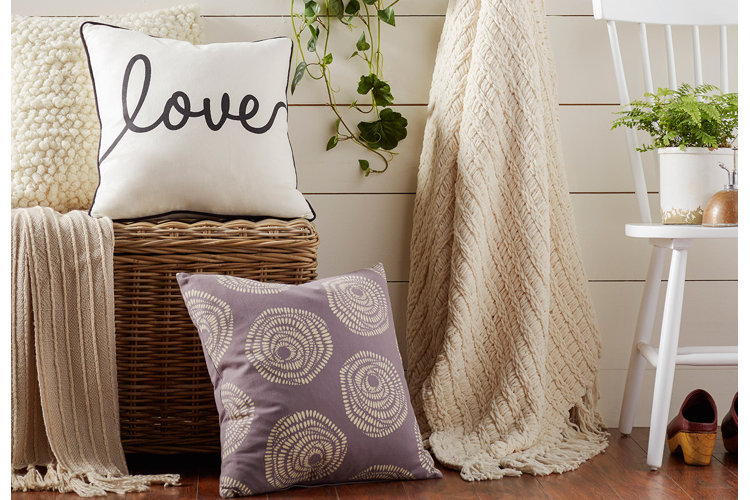
Weighted blankets, sometimes referred to as heavy blankets, are filled with glass beads or plastic pellets to add extra weight. This simulates deep touch pressure (DTP) stimulation, which reduces blood pressure, pulse rate and cortisol levels – making you feel less anxious and more relaxed. The weight also increases serotonin and melatonin levels, which boost your mood and encourage better sleep. This can help people coping with autism, PTSD, bipolar disorder, OCD and restless legs syndrome/Willis-Ekbom disease (RLS/WED).
Weighted blankets don't just help at night. When used during the day, they can improve focus and make you feel more relaxed. Weighted blankets can also make you feel safe and secure.
Weighted Blankets for Kids
Children under two years of age should not use a weighted blanket. For all small children, it's best to discuss the use of a weighted blanket with your pediatrician or occupational therapist before buying. Always make sure the weight is light enough that your child can pull the blanket off with ease.
Weighted Blankets for Teens
Sleep is critical for older kids and teenagers and a weighted blanket may help them rest better and reduce anxiety.
Weighted Blankets for Adults
Blankets don't just have to cover you while you sleep. You can drape them over your lap or shoulders while watching TV, reading or doing work. Learn how to find the right one for you below.
FAQ: Blanket Weight
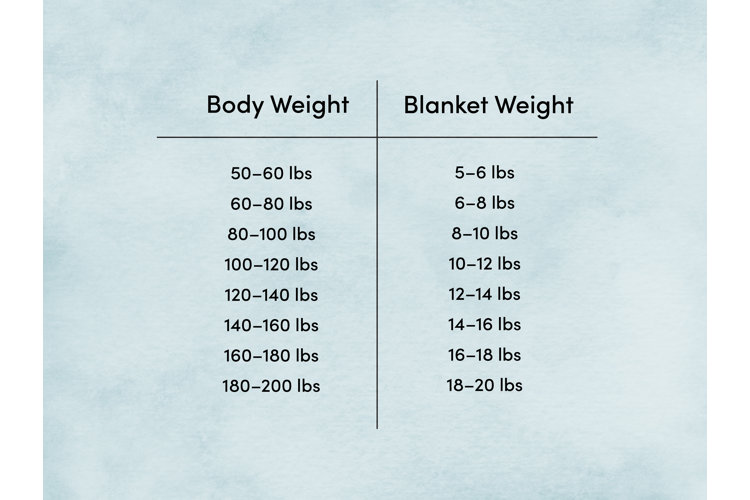
The most important part of a weighted blanket is configuring the correct weight for you. We recommend buying a blanket that is 10% of your body weight plus 1–2 pounds. However, if your regular comforter or duvet will continue to be used in addition to the weighted blanket, find out how much your comforter or duvet weighs. If your comforter weighs a few pounds, you may want to choose a weighted blanket that is a pound or two lighter than recommended. You can also choose a weighted comforter that replaces your traditional comforter or duvet.
If you are getting a blanket as a supplemental treatment to a disorder, consult your healthcare professional for the correct weight, size, and recommended duration of use.
FAQ: Blanket Size
It is best to find a blanket that fits the length and width of your body or bed. The blanket should rest a few inches beyond your shoulders and extend past your feet. Unlike a comforter, the blanket shouldn't hang off the sides of the bed or it may slide off the bed while you are sleeping.
Care Options
Check the label before washing your weighted blanket. Weighted blankets are available with many care options and may require spot-cleaning, hand-washing, dry-cleaning or machine-washing. Most weighted blankets must be air-dried and not thrown in the dryer.
Style
Weighted blankets are available in many colours and patterns and can be made to look like a throw blanket or a duvet with baffle boxes (which evenly distribute the weight). Choose the colour or pattern that best suits your style.
Thermal Level
Many people wonder if a weighted blanket will make them too hot. A weighted blanket can offer a range of warmth or thermal insulation, depending on the material. If you want your blanket to offer warmth, opt for a blanket made with fleece. For a lighter material, choose a cotton blanket.
When Not to Use a Weighted Blanket
You shouldn’t use a weighted blanket if you suffer from / if:
- Diabetes
- Difficulty breathing (such as asthma or sleep-apnea)
- Fragile skin
- Trouble regulating blood pressure
- Circulation problems
- A skin rash or open wounds
- Claustrophobia or cleithrophobia
- The blanket belongs to someone else
Tip: Enjoyed this article? Then why not also check out:
- Ask the Experts: Household Textiles & Fabrics
- Crisp & Cosy Bedding Ideas to try This Autumn
- How to Organise Your Linen Cupboard
