What Makes a Great Coffee Grinder?
Barista in the making.
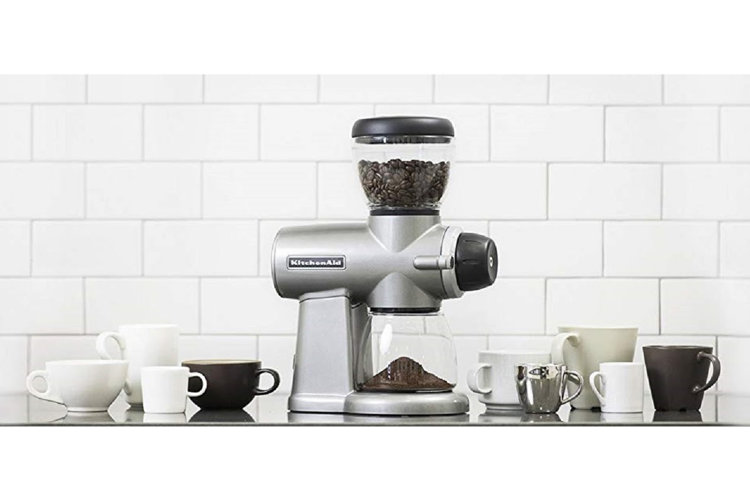
The basis of a good cup of coffee is properly ground coffee beans. This requires a quality coffee grinder, so read on to learn about the different types and features, ready for you to pick out the best coffee grinder.
Using Coffee Grounds
We grind our coffee beans in order to increase the surface area that the water can run through. If the water was to soak through the unground beans, there wouldn’t be enough coffee compounds in the water to produce a strong flavour. Soaking through large coffee grounds results in a light coffee flavour, while soaking through fine grounds creates a flavour that is much more intense.
Coffee grounds range in size from extra coarse to extra fine and each ground size works better for different types of coffee and coffee makers. Coarse grounds work well with cold brew, French-press coffee with percolators; medium grounds work well with pour-over brewers and fine grounds work great with espresso, Turkish coffee and moka pots. Unevenly sized grounds result in a bitter cup of coffee as there are different levels of coffee extraction in one cup. This means that smaller grounds will have all the coffee compounds pulled out along with bitter flavours you don't want, while larger grounds may not release all of their good flavours.
If you like a particular kind of coffee, you may wish to invest in a grinder that produces grounds for that coffee type. But if you prefer to switch up your coffee every now and then, go for a more versatile grinder.
Coffee Grinding Methods
Burr Grinders
Using a burr grinder is the most efficient way to evenly grind coffee beans. It crushes the beans with burrs - two rotating surfaces with sharp edges. These grinders produce uniformly-sized coffee grounds that will produce a high-quality cup of coffee. These grinders are preferred by coffee enthusiasts for their consistent production of evenly sized coffee grounds. There are two types of burr grinders: conical and flat.
Conical vs. Flat Burrs
Conical Burrs: Conical burrs create two slightly different sizes of coffee grounds (only a microscopic difference) that add a small amount of bitterness to the coffee. This slight difference in ground size is ideal for espresso drinks and is said to bring out the brighter notes in coffee. They're the most commonly used burr shape and are often more affordable than flat burrs. These grinders use a round, outer burr and an interior cone-shaped burr to grind coffee beans. The interior cone-shaped burr spins while the outer burr remains stationary, pulling beans between the two and grinding finely.
Flat Burrs: Flat burrs are two parallel donut-shaped plates – coffee beans fall into the hole and are ground evenly through the two plates. Since the plates are parallel, only one size of coffee grounds is produced. All of these grounds will be evenly extracted, creating a strong, pure flavor that melds and brings out darker notes. Keep in mind that flat burr grinders are louder and need to be cleaned more often than conical burr grinders.
Blade Grinders
Blade grinders are a more affordable alternative to burr grinders. They work by using spinning blades to cut coffee beans into grounds and come in compact sizes that will easily fit on your kitchen worktop. Blade grinders produce more unevenly sized grounds than burr grinders but many prefer these models for their smaller size and affordability.
Coffee Grinder Power Types
Manual
A manual grinder is operated by a handle that grinds the beans as you turn it. A manual grinder can be used on the go when you don’t have an outlet and allows you to be intimately involved in the process of grinding coffee beans. Most manual grinders use the burr grinding method and come a lot cheaper than their electrical burr grinder counterparts. These grinders will allow you to save money and produce high-quality grounds.
Electric
Simply plug in an electric grinders and watch as the coffee beans grind themselves. These grinders usually work faster than manual grinders and are preferred for creating especially fine coffee grounds. Some of the best electric grinders will have multiple grinding settings to produce different styles of coffee, ranging from espresso to French press.
Coffee Grinder Materials
Two materials are commonly used for coffee grinders – ceramic and stainless steel. Blade grinders almost always use stainless steel blades, while burr grinders use both ceramic and stainless steel plates.
Ceramic plates are often more expensive and have a longer lifespan than stainless steel plates. You can look at product names and descriptions to find ceramic coffee grinders. However, stainless steel plates are sharper and will create more even grounds than ceramic. This will create a cleaner taste that is great for a variety of coffee beans.
Tip: Find more coffee tips and tricks with:
- Fulfil Your Mornings With a French Press Coffee
- Latte, Espresso, English Tea - These Are the Best Coffee Mugs for the Job
- Wake Up to Barista-Style Coffee Every Morning With a Milk Frother
