The Ultimate Guide to Plant Pot Sizes & Types
Keep your plants happy with the right home.
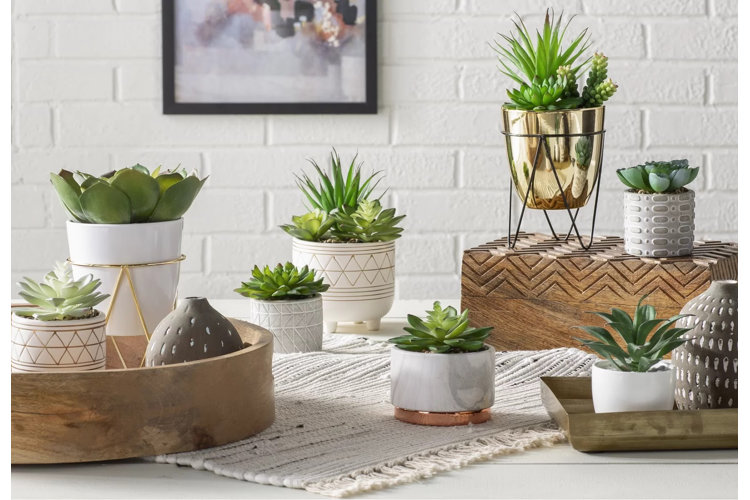
Find the perfect home for your beloved plants. Allow your plants to flourish in beautiful, stylish planter and plant pots that are perfectly sized to help them grow. Read on as we cover a wide range of planter and plant pot sizes available for your indoors and outdoors.
Plant Pot Sizes
Planters range in both height and width from small to extra-large. Check out the following popular planter sizes.
Height
Small: 0-20cm
Medium: 20-40cm
Large: 40-60cm
Extra Large: 60-80cm, +80cm
Width
Small: 0-20cm
Medium: 20-40cm
Large: 40-60cm
Extra Large: +60cm
Your plant should always live in a planter that is slightly larger than the plant itself. Placing a plant in a pot that is too big can cause complications, whilst a too-small pot won't fit the plant in at all. Do your best to match a planter with a diameter 2–4cm longer than your plant's diameter.
The only time you should consider a too-large planter is when you are repotting, or transitioning your growing plant into a bigger pot. If this is the case, place your budding plant into a planter that has roughly 3-6cm of extra space in diameter. This will give your plant breathing room to grow freely. If you see that after a few months the planter you've chosen is still too big, move back down a size by 2–4cm in diameter.
Regarding height, the plant pot should not go beyond a handful of cm above the soil line. If the plant pot is too tall, it'll get in the way of the growing leaves. A pot with a height right at the soil line is best.
Types of Planters & Plant Pots
Your house is sure to flourish with all the types of planter and plant pots out there.
Pot: Plant pots are the classic planter, and by far the most popular option. They are traditionally bowl or U-shaped, but can be easily personalized by material or design.
Box: Perfect for modern homes, these sleek, straight-edge planters are rectangular or square in shape. Similar to pots, they come in almost every material.
Terrarium: Mostly used for succulents indoors, terrariums are clear, geometric cages that protect your small house plant. They can be glass, plastic or wood, and safely encapsulate the plant in a stylish way.
Vertical & Wall: Switch things up with these gravity-defying modern planters. They often come in small, multi-wall-mounted sets that are perfect for succulents. Arrange three in ascending order on the closest wall by your stairwell for a cool, mimicked look.
Hanging: These cosy baskets hang from wall hooks or your ceiling, creating a whimsical air in any room. Baskets can be anything, from round and woven to a geometric ceramic pattern. Try hanging a few of these in a sun room or guest bedroom.
Tip: The best way to protect your planter from years of wear and tear is by placing it in the proper environment. Don't place an indoor planter outside for the elements to corrode.
Balcony: Perfect for apartments or if you don't have a garden space, these planters securely rest atop railings and fences on balcony edges. They either have hanging hooks or a gap in the base to straddle the railing.
Ornamental: Have some fun with these small, ornate garden ornaments that are made specifically to hold several of your plants. Some wheelbarrows can be filled with soil, with the plants placed directly in it. If not, your plant will need a separate planter in addition to the decorative wheelbarrow.
Raised Garden: Raised garden planters are rectangular planters made of wood or plastic that keep your plants separate from the ground beneath them. They can be multilevel, adding an organised and stylish element to any garden. Make sure to water them frequently, as raised beds dry out more quickly than inground gardens.
Statue: Keep it classic with these stoic yet glamorous planters. They are typically made of stone and are in the shape of an urn or large goblet. Place several in your garden or pair two by your front steps.
Tip: Don't forget about drainage. Try the following tips to ensure your plant will be able to drain properly no matter the planter you choose:
- Place a nursery inside a larger planter. Nurseries often have drain holes at the bottom.
- Fill the bottom of your planter with lava rocks. These porous rocks will absorb the excess water.
- When purchasing a planter on Wayfair, our Product Overview will inform you whether that item has drainage holes or not.
