Bathroom Tile Designs: Choosing the Best Tiles for Your Bathroom
So many possibilities.
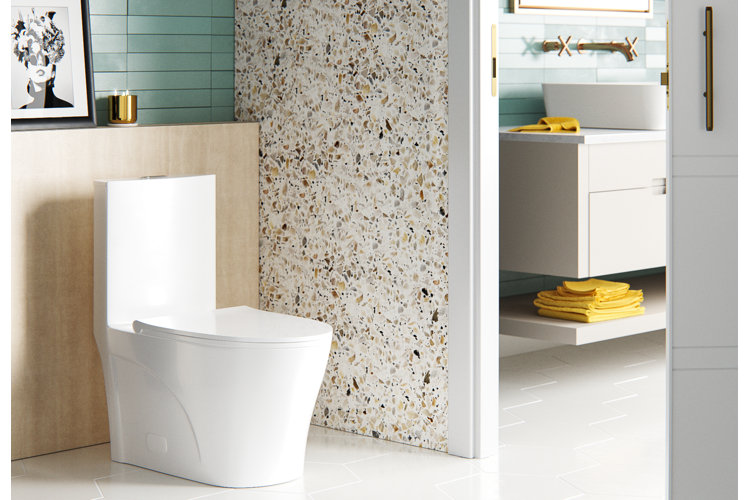
Durable and waterproof, tile is the perfect material for protecting the walls and floors of your bathroom from dirt and moisture. Available in a wide variety of materials, colours and sizes, tile also offers you a lot of stylistic freedom – no matter what your design preferences are, you're sure to find several types of bathroom tile that you'll love. Keep reading for tips on how to choose bathroom tile colours, types and sizes.
Bathroom Tile Design Guide
Your bathroom has several surfaces that can benefit from the protection of tile: the floor, the vanity backsplash and the shower walls. Because tile is uniquely water-resistant and easy to clean, it's a good idea to tile any surface that comes in contact with moisture. Once you have a location (or locations) picked out, it's time to narrow down the types of bathroom tiles that are best suited for those surfaces.
Types of Bathroom Tiles
Ceramic:
One of the more affordable and easy-to-install options, ceramic tile is great if you're on a budget and want to DIY the installation. Basic ceramic tile is white and glossy, though it is available in a wide range of colorful glazes and painted designs.
Porcelain:
Porcelain tile is denser and more durable than ceramic tile. It tends to be a bit more expensive than ceramic, but because of its increased impermeability and slip resistance, an investment in porcelain tile is well worth it. Porcelain is also available in a wide variety of bright colours. It's important to note that, because of its density, porcelain is harder to cut and is not the best choice if you're interested in tiling your bathroom yourself.
Glass:
Pearly and polished in appearance, glass tile is a gorgeous choice of tile for the bathroom. Glass tile is lightweight and easy to install, though it tends to cost slightly more than ceramic tile.
Natural Stone:
Crafted from natural materials, stone tile has a beautiful, organic look that is perfect if you're looking to avoid tile with a more polished finish. Stone tile can be made of many different materials including marble, travertine, limestone, slate and granite. Of all the bathroom tile options, natural stone is the most nonslip.
Best Tile Types for Bathroom Surfaces at a Glance
Shower Floor: The most important consideration when tiling a shower floor is traction – you don't want your tile choice to be slick and slippery. The best tiles for shower floors are porcelain and natural stone.
Shower Wall / Shower Ceiling / Vanity Backsplash: Because traction isn't necessary on these surfaces, here is your opportunity to get creative. Polished and bright, glass, ceramic and porcelain tile are all lovely choices for bathroom walls, but the organic beauty of natural stone can really shine on the walls as well.
Bathroom Floor: Like the shower floor, nonslip material is also important for the bathroom floor. Your bathroom floor can also see a lot of wear and tear, so durability is key as well. Porcelain is the ideal option for your bathroom floor, but natural stone is a great consideration as well. Many natural-stone varieties also have the added bonus of their mottled colouring that will help obscure scuff marks and tough stains.
Tip: Looking to add or replace the tiles around your shower? Then let these 11 Ways to Jazz Up Your Shower Tiles be all the inspiration you need.
Choose the Right Bathroom Tile Sizes
Tile size plays a big role in the overall appearance of your bathroom. Typically, it's a good idea to use medium-size tiles on the floor if you have a small bathroom – smaller tiles means more grout lines, which can make a small bathroom look smaller. Don't go too large, though – extra-large tiles will also make a small bathroom look smaller. If you're working with more glamorous natural-stone materials like marble or granite, larger tiles will display their textures best and will elevate the lavish look.
Smaller tiles, because of their detail and range of colour, are optimal for decorative surfaces like shower walls, shower ceilings and bathroom vanity backsplashes. If tiles get cracked, smaller tiles tend to be much easier to replace than larger tiles.
Choose Your Bathroom Tile Colours
Ultimately, the colour of the tiles you use in your bathroom is up to you. That said, there are a few tips to keep in mind:
- For small bathrooms, consider lighter colours like soft pastels and neutrals. Their subtle, airy look will help make your bathroom look larger and brighter.
- For large bathrooms, you can get away with darker, more saturated hues, like navy and deep browns.
- Accent smaller surfaces with surprise pops of colour. Shower ceilings and vanity backsplashes can be brought to life with vibrant, detailed mosaic patterns or saturated hues and are small enough not to overwhelm the rest of the space.
- Dark floor tile paired with light wall tile looks amazing in modern bathrooms.
- If you're unsure, subway tiles are a no-brainer for your bathroom or shower walls – trendy, clean, polished and versatile, they're a quality choice.
Tip: Enjoyed this article? Then you might also want to check out:
- 33 Gorgeous Bathroom Remodel Ideas
- Your Step-by-Step Guide to Replacing & Installing a Shower Head
- A Step-by-Step Guide on How to Tile a Bathroom Floor
