What to Consider When Buying a New Shower
The ultimate shower buying guide.
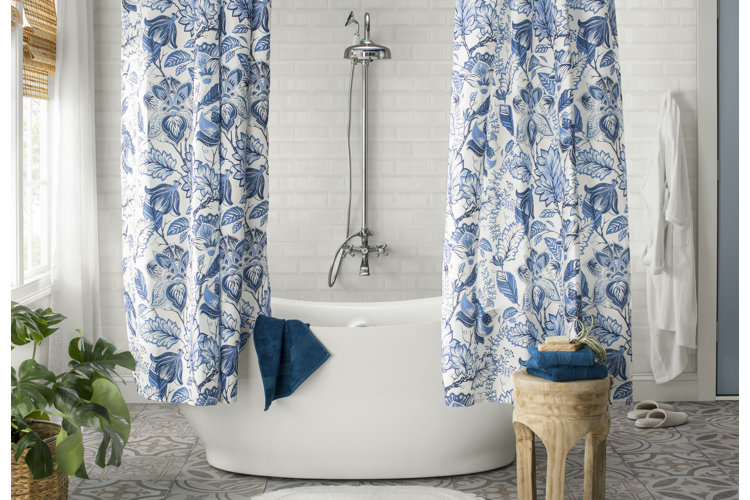
Confused when it comes to buying a new shower? With so many types available, choosing a new shower for your home can become pretty stressful. Our helpful guide outlines everything you need to know about different shower types and what important factors to consider before buying your next shower.
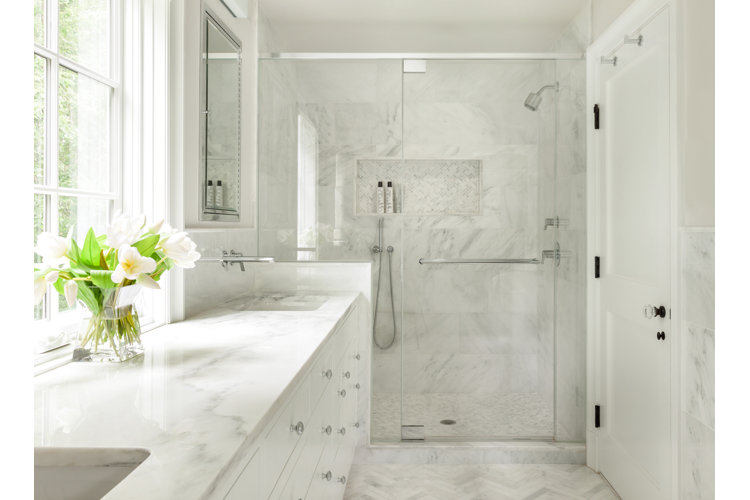
Important points such as water pressure and boiler type can highlight limitations when it comes to shopping for your next shower, so it pays to regard the following before buying.
Boiler/Water System Type
Not all showers are compatible with every boiler type and water system, therefore it's important to determine what you have before you buy. The most common systems in the UK are combination boilers, gravity fed systems and unvented hot Water Systems, but ask a plumber if you're not sure which one you own.
Water Pressure
Choosing the right shower type to suit your water pressure can make a big difference to how powerful your shower is, so make sure to find this out before buying. To check your water pressure, use a pressure gauge or call a professional to do it for you.
Who Shares the Water Supply?
Certain shower types dramatically change in pressure and temperature when taps are being used elsewhere in the home. If you have a full house, some types will be more suitable than others. Also take into consideration whether your water supply is shared with other properties.
Flow Rate
This is solely based on preference. If you're looking to save money with low flow rates, electric showers are ideal, while power showers suit those wanting stronger showers.
Shower Types
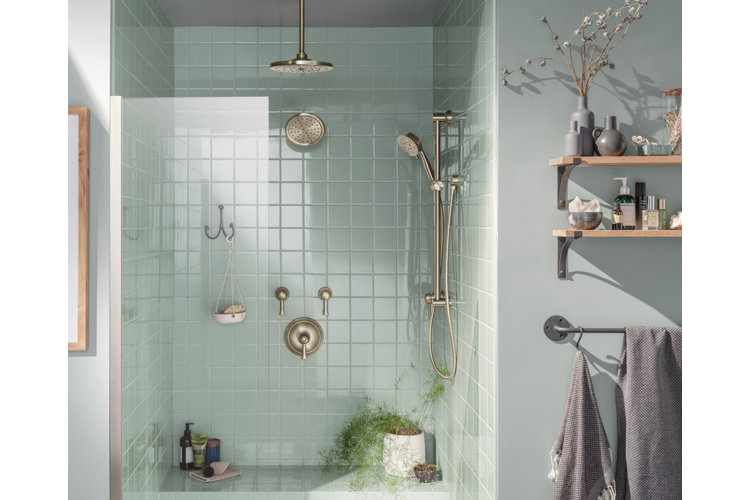
When it comes to shower types, there's no one-size-fits-all. Here we've listed the pros and cons to the most popular shower type including electric, power and digital, so you can narrow down your decision that bit more.
Electric Showers
Electric showers are a great budget-friendly choice due to their initial low cost and ability to heat the water as it goes (meaning that you only pay for the water you use). We recommend calling in an expert to install an electric shower, as the high-power electrical component requires to be connected to a separate fused electrical supply circuit.
Pros: Easy and always ready to use, only requires a cold water supply, works even when boiler is broken, affordable, pay what you use.
Cons: Less powerful than other shower types, limescale build-up can be a problem, may cause lime scale build-ups and may dramatically change temperature should someone else be using the water supply at the same time.
Requirements: Cold water supply.
Manual Mixer
Manual mixer showers draw water from the same water supply used for other taps and fixtures. For them to function, a supply of both hot and cold water is required. This water is then mixed together to produce the desired overall temperature.
Advantages: Strong flow rate, easy to use, easy to install.
Disadvantages: May not work to the same capacity should others be using taps at the same time, don't shut off automatically so users should be aware of scalding or freezing.
Requirements: A combi boiler or hot water cylinder for a hot and cold water supply.
Power Showers
Like manual mixer showers, power showers require both a hot and cold water supply. Able to deliver up to 14L of water per minute, power showers have a built-in pump, which strengthens the flow of the water.
Advantages: Easy installation, strong flow even when low water pressure, offers control over pressure and temperature.
Disadvantages: Expensive (both in initial cost and the amount of water they use), can sometimes be noisy.
Requirements: Hot and cold water supply, gravity fed system.
Digital Showers
Available in electric or mixer models, digital showers are the perfect choice for a modern-look bathroom. Drawing water from a small processor box that blends hot and cold water to achieve the desired temperature, digital showers can come with wireless or Bluetooth technology, LCD displays and touch screens.
Pros: Sleek design, extra features often available, more control over temperature, thermostatic, control units of wireless styles can be installed up to 10m away.
Cons: Pricier than other shower types.
Requirements: Depends on whether it is an electric or mixer shower. Mixer showers will require a hot and cold water supply.
Shower Panels
Shower panels are showers that fit onto a panel that mounts on the wall and are a popular choice for those with small bathrooms, due to maximising floor space. Shower panels can come with additional feature such as bodyjets, which allow water to spout from different points.
Pros: Durable, easy to install, maximise space due to mounting on the wall, affordable, easily replaced, wide range of options.
Cons: Often cost more than other shower types.
Requirements: High water pressure (although this can be achieved with a pump).
Thermostatic
A safe and economical shower choice; thermostatic showers maintain an exact water temperature during showers, reducing the risk of scalding and freezing.
Pros: Ability to control both water flow and temperature, strong water flow, constant temperature control even if your family are using another tap in the house, economical.
Cons: Difficult to repair.
Requirements: Vary on whether it is a mixer, power or electric shower. Please refer to the relevant disadvantages above.
Tip: Looking for more ways to update your current shower situation? Then check out:
- Freshen Up Your Morning Routine With These Modern Shower Heads
- 11 Ways to Jazz Up Your Shower Tiles
- How to Choose a Shower Enclosure
