Everything to Look For When Buying a Food Vacuum Sealers
Seal the deal.
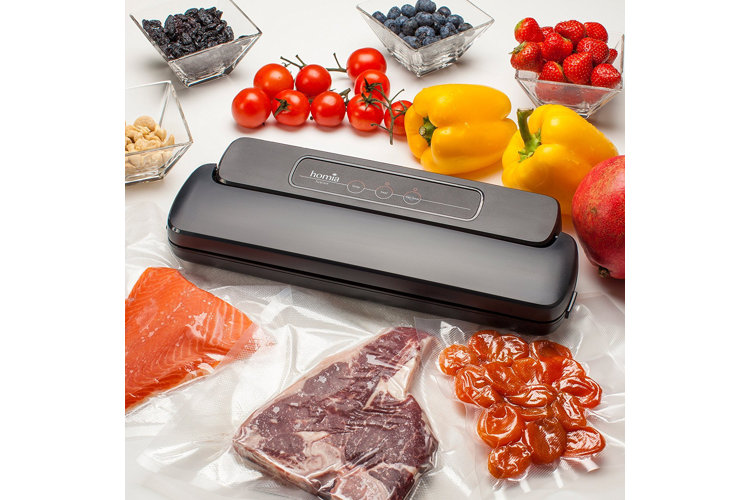
A food vacuum sealer is one of those kitchen appliances that you don't realise you need until you have it. These multipurpose appliances can be used for marinating and sous-vide cooking and are absolutely indispensable for safely and effectively storing foods of all kinds. In this guide, you'll learn how to choose and use the best food vacuum sealer for your needs.
Overview:
What is a Food Vacuum Sealer?
Why Choose a Food Vacuum Sealer?
How to Use a Food Vacuum Sealer
Vacuum Sealer Cleanliness & Safety Tips
Additional Vacuum Sealer Features & Accessories
What is a Food Vacuum Sealer?
A food vacuum sealer is an electrical device that seals food items in an airtight plastic pouch for effective storage. These devices, once bulky and expensive, are now compact, affordable and easy to use. They come with a set of buttons or controls on the top and a long slit into which the open end of a food pouch can fit. Adjustable clamps (usually controlled by a small lever on the side) hold the pouch in place while a built-in vacuum sucks all the excess air out. After removing the air, the vacuum sealer applies an airtight seal to the pouch.
Why Choose a Food Vacuum Sealer?
The case for buying a food vacuum sealer is a strong one, especially if you're looking to improve the shelf life of foods (particularly expensive cuts of meat) and cut down on food waste.
Improves the longevity of stored foods
Air is the number one enemy of foods stored anywhere in your home. It causes foods to go bad, get stale and develop freezer burn. Vacuum sealers are some of the best food savers out there because they remove as much air as possible from contact with the food, which greatly increases its storage life.
Helps to cut down on food waste and saves money
The ability to effectively store foods long term allows you to buy in bulk without fear that you'll end up tossing most of it away. Vacuum sealing is also useful if you tend to forget about your stored foods plus it'll save you money – you'll have much less to throw out when you go through your freezer.
Multipurpose
Vacuum sealers aren't just one-trick ponies, The best food vacuum sealers can be used to marinate meats or reseal bags of crisps. Some can apply airtight seals to jars. Vacuum sealers are also essential when cooking with a sous vide.
Tip: The vacuum sealer is the indispensable partner to the sous vide. French for 'under vacuum', sous vide is the process of sealing your food in a vacuum sealed container or bag and then cooking that in temperature-controlled water. So if investing in one, why not also add the other?
Liking What You See? Why Not Start Shopping?
How to Use a Food Vacuum Sealer
With the right know-how, vacuum sealers are very easy to operate. Follow these steps to master how to use a vacuum sealer.
Step 1: Prepare the Food for Sealing
If you're working with large pieces of meat or produce, it's a good idea to cut them into pieces that will easily slide into the vacuum sealer bags or pouches. If the food item is too bulky, the bag will most likely seal unevenly or be left with air-filled wrinkles.
Step 2: Prepare the Vacuum Sealer Pouches
If you're working with a vacuum sealer roll, you'll need to cut off a piece that will fit the food item you want to seal. This isn't an exact science – try to cut a piece that leaves 1" – 2" of excess on three sides of the food and at least 3" of excess toward one open end. If you have pre-sized vacuum sealer bags, you can skip this step.
Step 3: Seal One End of the Pouch
Because the piece of vacuum sealer roll you just cut will be open on both ends like a tube, you'll need to close one side before you can place any food inside. Open your vacuum sealer and gently feed the one open end of the plastic strip 1/2" – 1" into the clamp. Tighten the clamp (usually you can do this with a small lever on the side of the device) and press the 'seal' button. Then release the pouch from the clamp. If you have vacuum sealer bags that are already closed on one end, skip this step.
Step 4: Fill the Pouch and Reposition in the Machine
If you're working with a damp food item that you aren't marinating, try to dab away excess liquid with a paper towel. Place the food in the pouch. Gently reposition any loose pieces so they are relatively flat and spaced apart in the pouch rather than stacked. Try to keep all the food towards the middle of the pouch. Then feed the open end of the pouch into the vacuum sealer and clamp it in place as you did in step 3.
Step 5: Apply any Settings and Press Start
Apply any preferred settings (including starting a timer for automatic shutoff) before pressing 'start'. When you press the start button, the machine will do its job – it'll suck all excess air out of the pouch and apply an airtight seal. If your device has an automatic shutoff, you won't need to stop it manually. If it doesn't, stop the machine when you're comfortable with the tightness of the seal – be careful not to crush delicate foods or overwork the machine.
Vacuum Sealer Cleanliness & Safety Tips
During vacuum sealing, liquids may sometimes be drawn into the machine, which can cause damage. To avoid this, try to remove as much liquid as possible from damp food items. Freeze wet products like soup or sauce before sealing. If you're trying to marinate a food item, fit folded paper towels in the top of the pouch (not below the seal line, you don't want it to get trapped in the sealed pouch).
Even the best vacuum sealers can heat up while they work. Leave 20 seconds between sealing to prevent the device from overheating and don't overfill the vacuum sealer bags.
Empty the drip tray and wipe the device clean between uses. Though many food vacuum sealer bags boast that they're dishwasher-safe, it's best to dispose of them after using them for raw fish or meat. Remember to follow any manufacturer's instructions that are specific to your sealer.
Additional Vacuum Sealer Features & Accessories
Bag Cutter: Vacuum sealers without built-in bag cutters require you to manually cut sealed packs off of the roll. Save yourself the trouble by choosing a vacuum sealer that does the job for you.
Roll Storage: Many vacuum sealers come with compartments that allow you to store your vacuum sealer rolls within the device. This is helpful for keeping all your vacuum sealer parts together and intact.
Jar & Canister Compatibility: Food stored in jars and canisters can benefit from vacuum seals as well. Many vacuum sealers have accessory ports that allow you to attach jars and canisters (with the proper accessories) for airtight sealing.
Automatic Shut-Off: Never worry about over or under-sealing by choosing a device with an automatic shut-off.
Removable Drip Tray: Vacuum sealers equipped with drip trays can save your worktops from expelled liquid messes. Simply remove the trays for easy emptying and cleaning.
Bags, Rolls & Accessories: Vacuum sealers aren't too useful without their pouches. Stock up to ensure you'll be able to use your vacuum sealer for all your food storage needs.
Tip: Was this article helpful? Then check out:
- Ask the Experts: What Is a Rice Cooker?
- How to Choose the Best Food Processor For Your Culinary Needs
- Familiarise Yourself With These Kitchen Knives
